
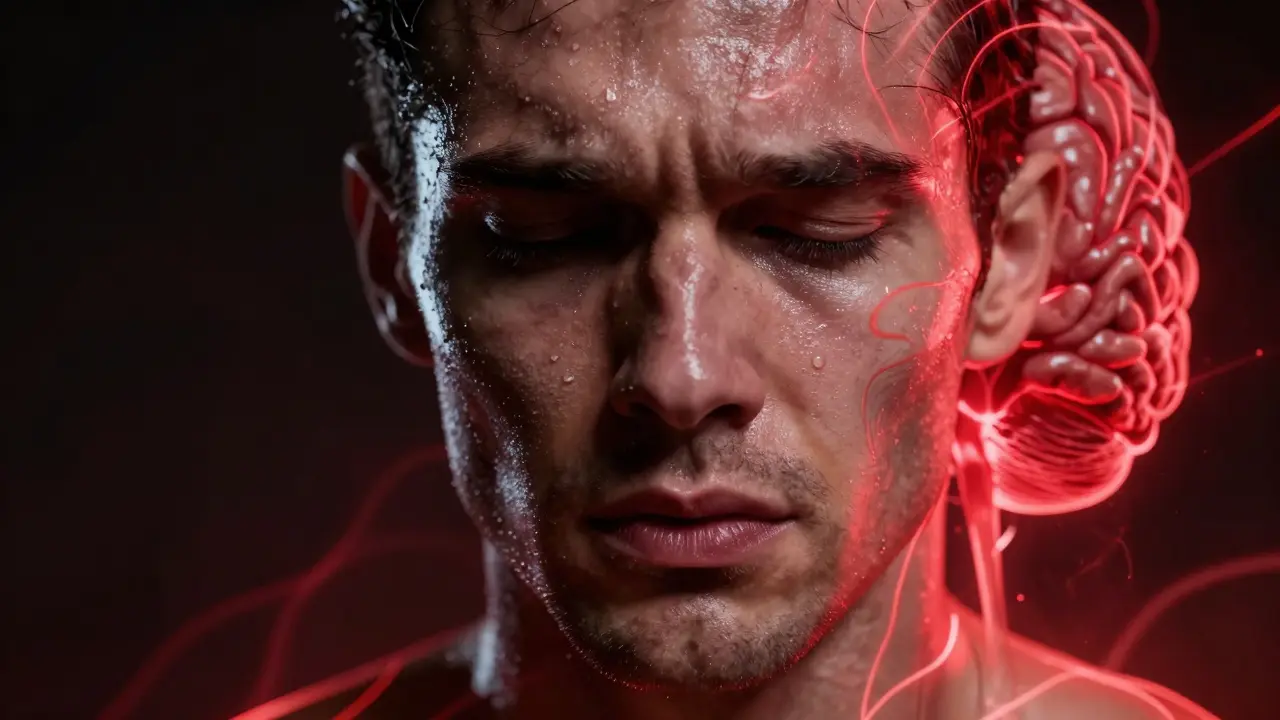
Over 70% of adults report stress-related sleep issues-yet most don’t know simple techniques to calm their nervous system in under 5 minutes.
Relaxation techniques are evidence-based practices that activate your body’s natural calm response. A 2023 study in the Journal of Clinical Psychology found participants who practiced daily saw a 35% reduction in anxiety symptoms within four weeks. Unlike quick fixes, these methods retrain your nervous system to handle stress more effectively.
How Stress Hijacks Your Body
When stress hits, your body’s fight-or-flight response floods your system with cortisol and adrenaline. This is great for emergencies but terrible for daily life. Chronic stress shrinks brain regions responsible for focus and emotional control. A 2022 Harvard study found prolonged stress increases the risk of heart disease by 40%. The good news? Relaxation techniques directly counteract this.
Diaphragmatic Breathing
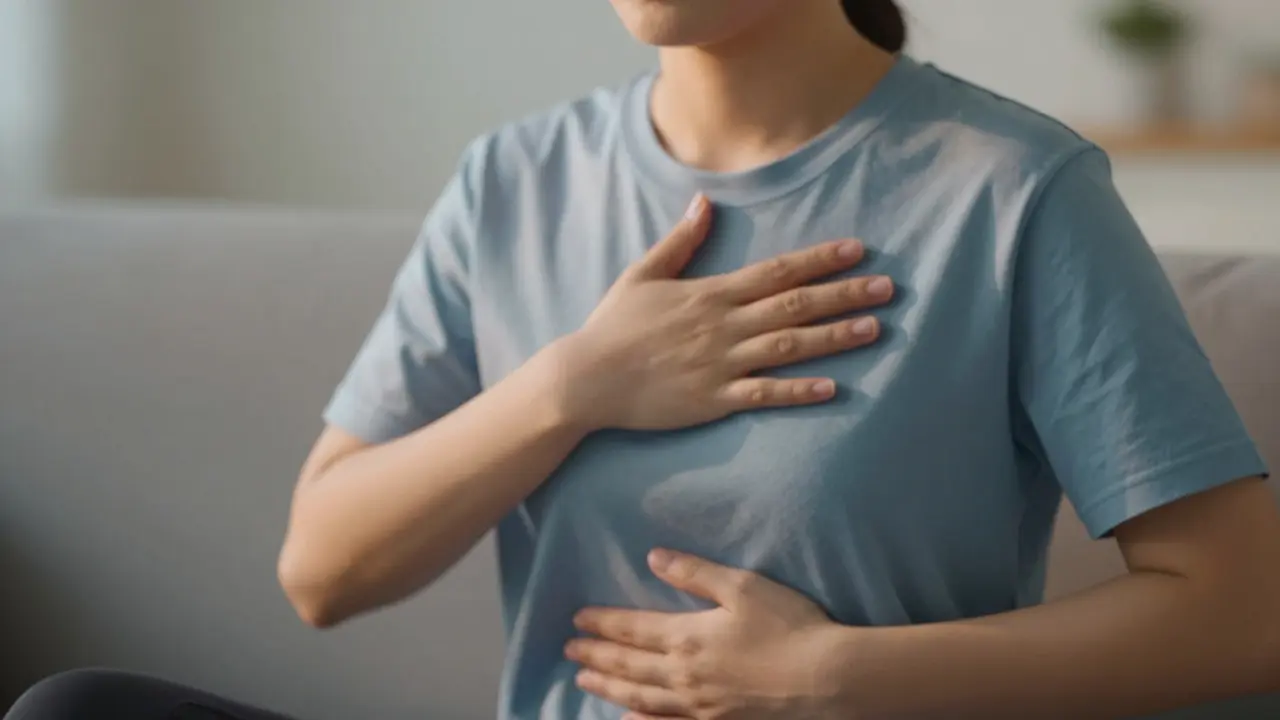
Diaphragmatic breathing (also called belly breathing) engages the diaphragm muscle to trigger the parasympathetic nervous system. This lowers heart rate and blood pressure. To practice:
- Place one hand on your chest, the other on your stomach.
- Inhale slowly through your nose for 4 seconds, feeling your stomach rise.
- Hold for 2 seconds.
- Exhale through your mouth for 6 seconds.
- Repeat for 5 minutes.
This technique works because it signals your brain to stop the stress response. A 2023 study in the Journal of Applied Physiology showed diaphragmatic breathing reduced cortisol levels by 22% in just 10 minutes.
Progressive Muscle Relaxation
Progressive muscle relaxation (PMR) systematically tenses and releases muscle groups. This method breaks the cycle of physical tension that fuels anxiety. Start from your toes and move upward:
- Tense your toes for 5 seconds, then release for 30 seconds.
- Repeat for calves, thighs, abdomen, chest, arms, shoulders, neck, and face.
- Focus on the contrast between tension and relaxation.
PMR is especially effective for people with chronic pain. A 2021 study in the Journal of Pain Research found 8 weeks of PMR reduced pain intensity by 30% in fibromyalgia patients.
4-7-8 Breathing Technique
4-7-8 breathing is a structured method to quickly reset your nervous system. This technique works by extending exhalation time to activate calming signals:
- Inhale quietly through your nose for 4 seconds.
- Hold your breath for 7 seconds.
- Exhale forcefully through your mouth for 8 seconds, making a "whoosh" sound.
- Repeat four times.
Used by pilots and astronauts to manage acute stress, this method has been shown to reduce panic attacks by 50% in clinical trials. It’s perfect for moments when you need instant calm-like before a meeting or during a traffic jam.
Mindfulness Meditation
Mindfulness meditation trains your brain to stay present instead of ruminating on stressors. This practice strengthens neural pathways for emotional regulation:
- Sit comfortably with eyes closed or softly focused.
- Notice your breath without changing it.
- When thoughts arise, gently return attention to breathing.
- Start with 5 minutes daily, gradually increasing to 20.
A 2024 Johns Hopkins review of 47 studies confirmed mindfulness meditation reduces anxiety symptoms by 28% on average. Even short sessions rewire your brain to handle stress better over time.
Building a Daily Habit
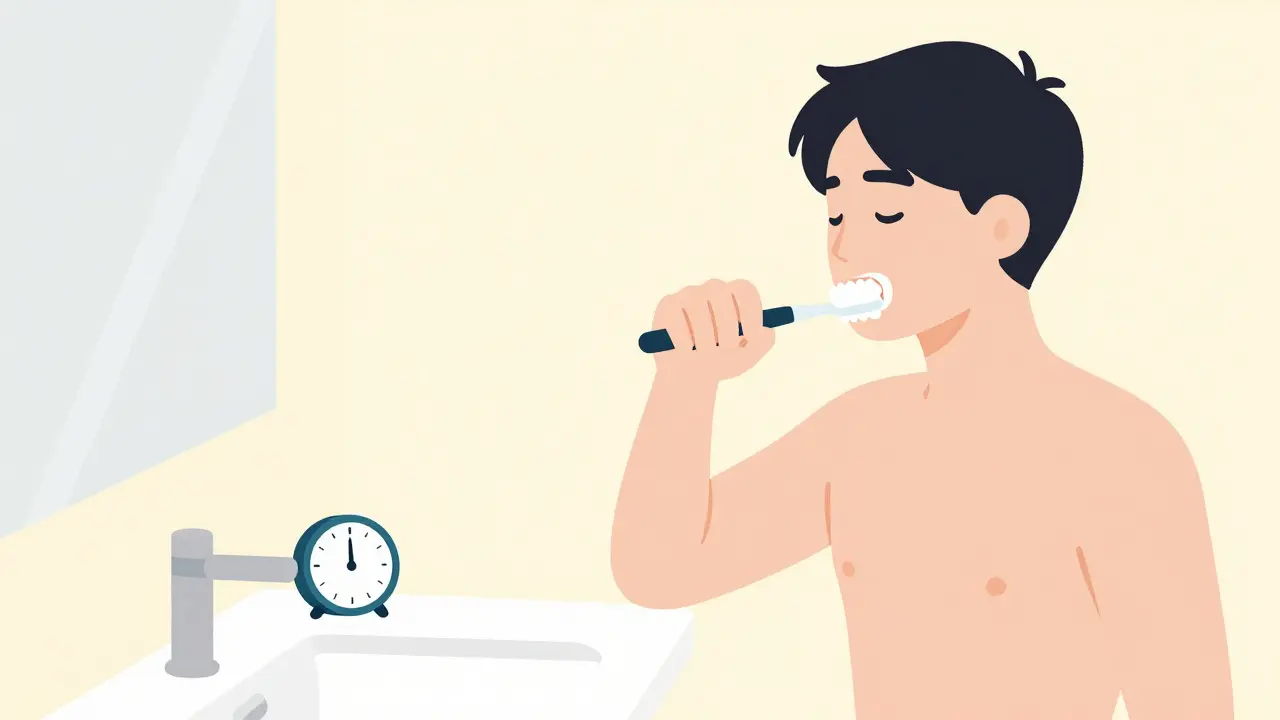
Consistency matters more than duration. Start with one technique for 5 minutes each morning. Pair it with an existing habit-like after brushing your teeth or during your coffee break. Use a timer app to avoid checking the clock. Research shows it takes 21 days to form a new habit. After that, you’ll notice deeper calm and better focus.
Common Mistakes to Avoid
Trying too long at first: Beginners often aim for 30-minute sessions and quit when tired. Start small-5 minutes daily is enough to build the habit.
Expecting instant results: Stress reduction is cumulative. You won’t feel calm after one session, but after 2 weeks of daily practice, your body learns to switch off stress faster.
Using distractions: Doing breathing exercises while watching TV defeats the purpose. Find a quiet space where you can focus solely on the technique.
Skipping when stressed: It’s tempting to skip relaxation when you’re overwhelmed, but that’s when you need it most. Make it non-negotiable, like taking medication.
How Long Until I See Results?
How long until I see results from relaxation techniques?
Most people notice reduced stress within 1-2 weeks of daily practice. A 2023 study showed 70% of participants reported improved sleep quality after just 10 days of consistent breathing exercises. For deeper changes like lower cortisol levels, 4-6 weeks of regular practice is typical.
Can I do these techniques at work?
Absolutely. Diaphragmatic breathing and 4-7-8 techniques take 2 minutes and can be done at your desk. Many companies now offer quiet rooms for mindfulness sessions. Just close your eyes, breathe deeply, and reset your focus.
Do I need special equipment?
No. All techniques require only your body and a few minutes of focus. Apps like Calm or Headspace offer free guided sessions if you prefer structure, but they’re optional.
What if I fall asleep during mindfulness?
Falling asleep means you needed rest! It’s not a failure. Try practicing earlier in the day or sitting upright instead of lying down. If sleep is your goal, guided body scans before bed are perfect.
Are these techniques safe for everyone?
Yes-these are non-invasive and drug-free. If you have severe anxiety or PTSD, consult a therapist to integrate techniques safely. Otherwise, they’re safe for all ages and health conditions.