
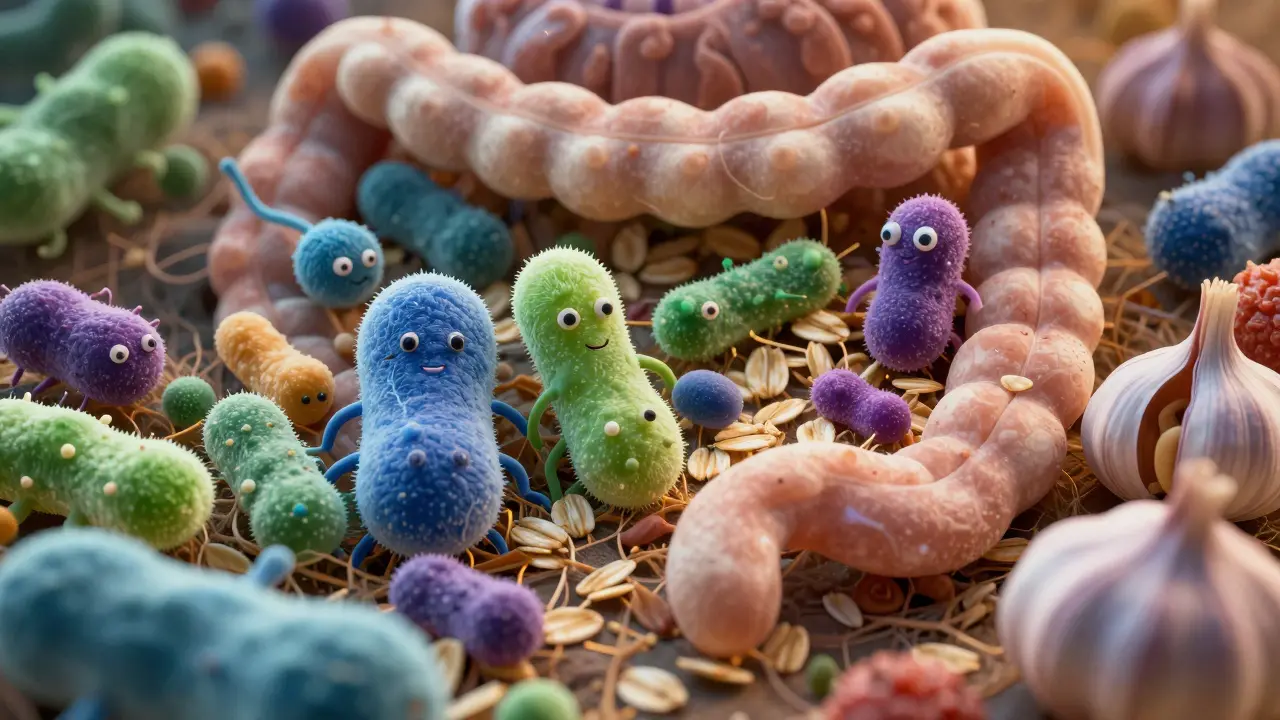
Your stomach gurgles. You feel bloated after a meal that used to be fine. Maybe your energy crashes in the afternoon for no clear reason. We often blame stress or bad luck, but the real culprit might be living inside you-specifically, in your intestines. The conversation around gut health has exploded in recent years, moving from fringe science to mainstream medical advice. But what does it actually mean to have a "balanced" gut? It isn't about following the latest detox trend or drinking expensive fermented juices. It is about creating an environment where trillions of microorganisms can thrive, supporting everything from your digestion to your mood.
We tend to think of ourselves as individuals, but biologically, we are ecosystems. Your body contains roughly 30 trillion human cells, but you host nearly 40 trillion microbial cells. These microbes form the gut microbiome, a complex community of bacteria, viruses, fungi, and other organisms. When this community is diverse and balanced, it acts like a second brain, regulating immunity, metabolism, and even mental health. When it is out of balance-a state known as dysbiosis-the consequences ripple outward, affecting how you look, feel, and function. This article breaks down exactly how to restore that balance through practical, evidence-based nutritional strategies.
The Microbiome: More Than Just Digestion
To fix your gut, you first need to understand what you are fixing. The microbiome is the collection of all microorganisms living in your digestive tract. Think of it less like a garden and more like a bustling city. In a healthy city, there is diversity. Different species have different jobs. Some break down fiber into short-chain fatty acids (SCFAs) like butyrate, which feed the cells lining your colon and reduce inflammation. Others produce neurotransmitters like serotonin and dopamine. In fact, about 90% of your body's serotonin is produced in the gut.
When the diversity drops, the city becomes fragile. If one type of harmful bacteria takes over, it can damage the intestinal lining, leading to "leaky gut" or increased intestinal permeability. This allows toxins and undigested food particles to enter the bloodstream, triggering immune responses that manifest as fatigue, brain fog, skin issues, or joint pain. The goal of balancing gut health is not to eliminate all bad bacteria-they play a role too-but to ensure the beneficial ones have enough resources to keep the ecosystem stable.
Fueling the Good Guys: Prebiotics vs. Probiotics
If you walk into any supplement aisle today, you will see shelves lined with bottles promising to cure your gut woes. Before you spend money, it helps to distinguish between two critical concepts: prebiotics and probiotics. They sound similar, but they do completely different jobs.
Probiotics are live microorganisms. When consumed in adequate amounts, they confer a health benefit on the host. Common strains include Lactobacillus and Bifidobacterium. You find them in yogurt, kefir, sauerkraut, kimchi, and supplements. However, taking a probiotic is like inviting new guests to your house party. If the house (your gut environment) is messy and lacks food (prebiotics), those guests won't stay long. They may pass through without colonizing.
Prebiotics are the food for those guests. They are non-digestible fibers that resist breakdown in the upper gastrointestinal tract and reach the colon intact, where they are fermented by the microbiota. Without prebiotics, your good bacteria starve. To truly balance your gut, you need both. You need to invite the guests (probiotics) and provide them with a feast (prebiotics).
| Feature | Prebiotics | Probiotics |
|---|---|---|
| Definition | Non-digestible fiber that feeds good bacteria | Live beneficial bacteria |
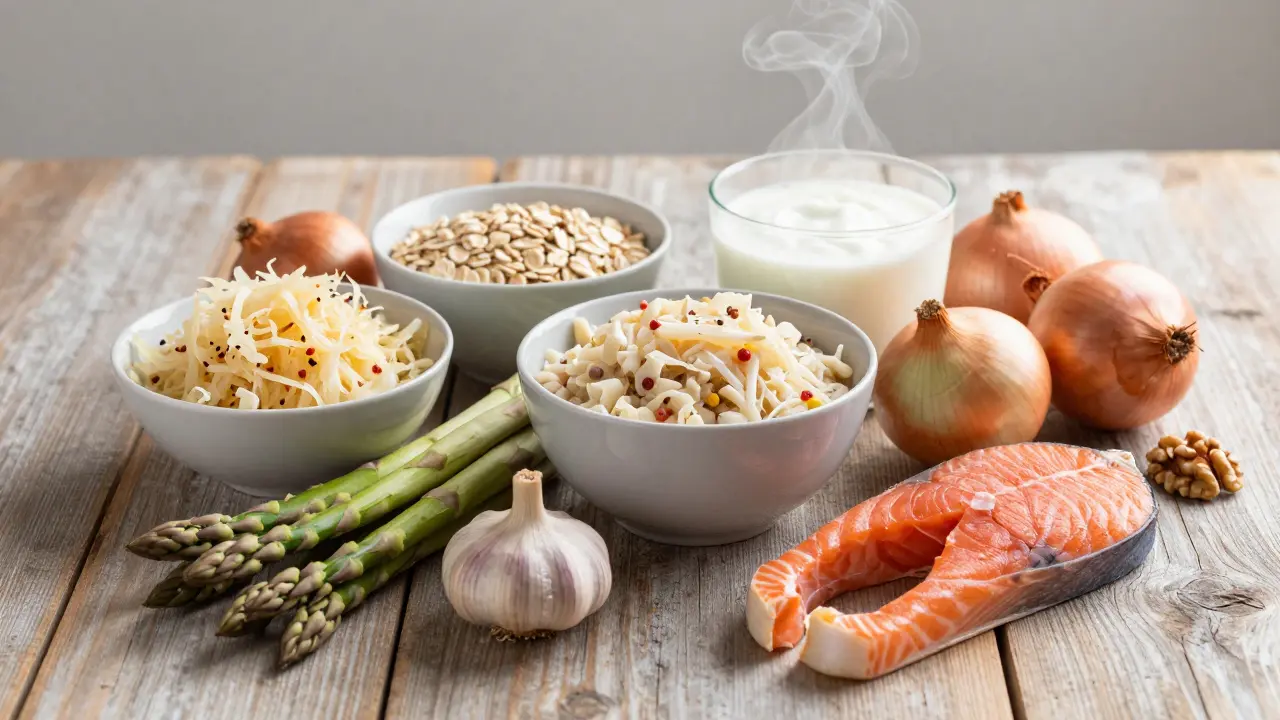
| Primary Sources | Garlic, onions, bananas, oats, asparagus | Yogurt, kefir, kimchi, sauerkraut, supplements |
| Role in Gut Health | Produces short-chain fatty acids (butyrate) | Competes with harmful pathogens; modulates immunity |
| Survival Rate | High (resists digestion until colon) | Variable (depends on strain and stomach acid) |
Building a Gut-Friendly Diet: What to Eat
The most effective way to change your microbiome is not through pills, but through plate choices. Research consistently shows that diet is the single biggest factor influencing gut composition. Here is how to structure your meals for maximum microbial diversity.
Prioritize Fiber Diversity Your goal should be to eat at least 30 different plant-based foods per week. This doesn't mean exotic superfoods. It means mixing up your vegetables, fruits, nuts, seeds, herbs, and spices. Each plant contains unique types of fiber and polyphenols that feed different bacterial strains. If you only eat broccoli and carrots, you are feeding only a small subset of your microbiome. Rotate your greens. Add lentils one day, chickpeas the next. Sprinkle flaxseeds on oatmeal. Use fresh basil, oregano, and turmeric. This variety ensures that no single bacterial species dominates, keeping the ecosystem resilient.
Incorporate Fermented Foods Daily Fermentation is nature's way of preserving food while boosting its nutritional profile. Unlike pasteurized products, traditionally fermented foods contain live cultures. Aim for one serving daily. A few tablespoons of sauerkraut, a cup of kefir, or a slice of aged cheese can introduce beneficial microbes directly into your system. Studies suggest that increasing fermented food intake increases microbial diversity and lowers inflammatory markers within just ten weeks.
Don't Fear Healthy Fats For decades, fats were demonized, but your gut lining needs lipids to maintain its integrity. Omega-3 fatty acids found in fatty fish like salmon, mackerel, and sardines have potent anti-inflammatory effects. They help seal the gaps in the intestinal wall, reducing permeability. Plant-based sources like walnuts, chia seeds, and hemp seeds also contribute to a healthier gut environment by supporting the growth of beneficial bacteria like Akkermansia muciniphila, which is associated with metabolic health.
The Hidden Killers: What to Avoid
Adding good things is important, but removing harmful triggers is equally critical. Certain modern dietary staples act like herbicides in your gut garden, wiping out the good bacteria along with the bad.
Ultra-Processed Foods These are foods made from ingredients you wouldn't find in a home kitchen. Think packaged snacks, fast food, and sugary cereals. They are typically low in fiber and high in refined sugars and unhealthy fats. More importantly, they often contain emulsifiers and artificial sweeteners. Emulsifiers, such as polysorbate 80 and carboxymethylcellulose, are added to improve texture and shelf life. However, research indicates they can strip away the mucus layer protecting your gut lining, allowing bacteria to come into direct contact with immune cells, triggering chronic inflammation.
Artificial Sweeteners Many people switch to diet sodas and sugar-free candies thinking they are helping their gut. The opposite is often true. Non-nutritive sweeteners like aspartame, saccharin, and sucralose can alter the composition of the microbiome. They may reduce the abundance of beneficial bacteria and increase the risk of glucose intolerance. While occasional use is unlikely to cause harm, relying on them as a primary sweetener can disrupt the delicate balance you are trying to achieve.
Excessive Alcohol Alcohol is a toxin to gut bacteria. Heavy drinking damages the intestinal barrier, increases permeability, and promotes the growth of pathogenic bacteria while suppressing beneficial ones. Even moderate drinking can affect sleep quality and hydration, both of which are crucial for gut repair during rest. If you are trying to heal your gut, limiting alcohol is one of the fastest ways to see improvement.
Lifestyle Factors Beyond Food
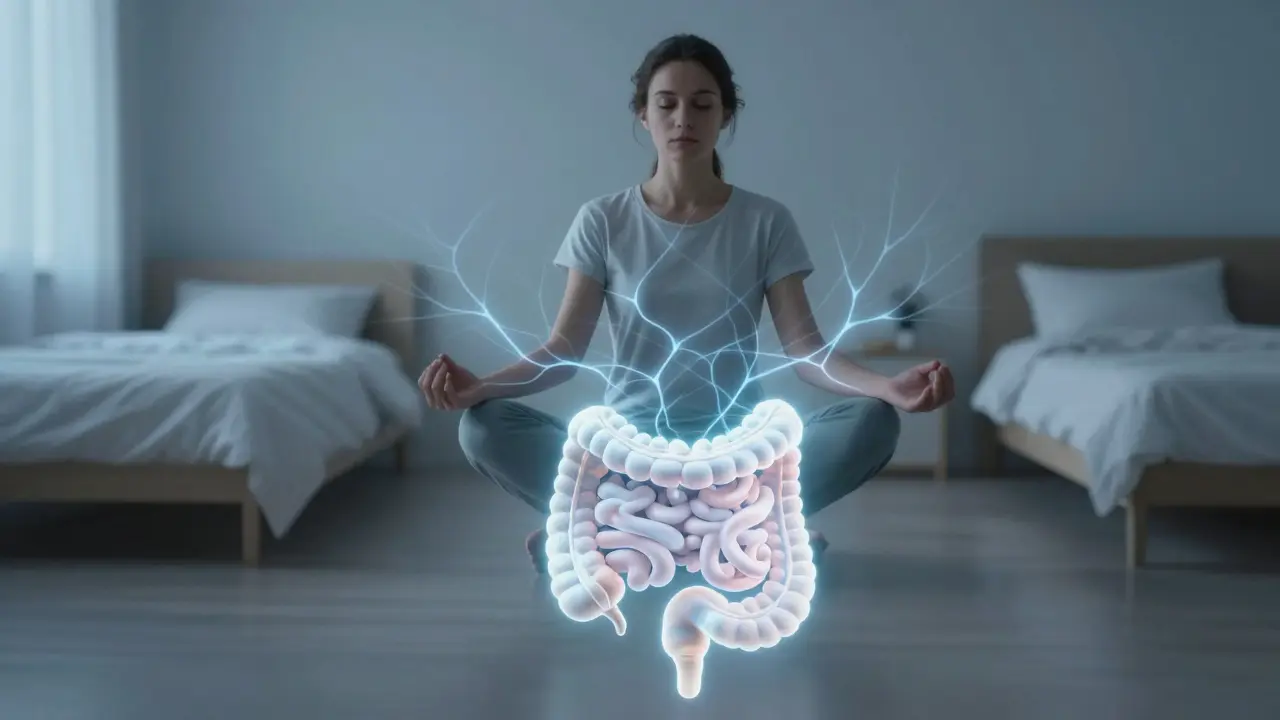
You cannot out-eat a stressful lifestyle. The gut and the brain are connected via the vagus nerve, forming the gut-brain axis. When you are stressed, your body releases cortisol, which alters gut motility and changes the microbiome composition. Chronic stress can lead to reduced diversity and increased inflammation.
Sleep Hygiene Your gut follows a circadian rhythm. During sleep, your body repairs the intestinal lining and regulates immune function. Poor sleep disrupts this process. Studies show that even one night of jet lag can significantly alter the microbiome. Aim for seven to nine hours of quality sleep per night. Keep a consistent sleep schedule, limit blue light exposure before bed, and create a cool, dark sleeping environment.
Movement Matters Physical activity increases the diversity of beneficial bacteria. You don't need to run marathons. Moderate exercise, such as brisk walking, cycling, or swimming, stimulates gut motility and reduces stress hormones. Sedentary behavior, on the other hand, is linked to lower microbial diversity and higher levels of pro-inflammatory bacteria. Incorporate movement into your daily routine, even if it's just a 15-minute walk after meals.
Practical Steps to Start Today
Changing your relationship with your gut doesn't require a complete overhaul overnight. Small, consistent changes yield better results than drastic, unsustainable diets. Here is a simple checklist to begin your journey toward nutritional wellness:
- Add one serving of fermented food to your breakfast or lunch (e.g., kefir smoothie, sauerkraut on eggs).
- Include a prebiotic source with every meal (e.g., garlic in cooking, banana for dessert, oats for breakfast).
- Swap one ultra-processed snack for a whole-food alternative (e.g., chips for apple slices with almond butter).
- Drink water instead of sugary beverages or diet sodas.
- Take a 10-minute walk after your largest meal to aid digestion and reduce blood sugar spikes.
- Track your symptoms. Note when you feel bloated, energetic, or sluggish. Identify patterns related to specific foods.
Remember, everyone's microbiome is unique. What works for your friend might not work for you. Pay attention to your body's signals. If you experience significant discomfort, consider consulting a healthcare provider or a registered dietitian who specializes in gut health. They can help identify specific intolerances or conditions like Small Intestinal Bacterial Overgrowth (SIBO) that may require targeted treatment.
Balancing gut health is a marathon, not a sprint. By focusing on diversity, minimizing processed inputs, and managing stress, you create a foundation for long-term wellness. Your gut will thank you with better digestion, clearer skin, improved mood, and sustained energy. Start small, stay consistent, and let your inner ecosystem thrive.
How long does it take to heal the gut?
The timeline varies greatly depending on the individual and the severity of the imbalance. Some people notice improvements in digestion and energy within a few days of changing their diet. However, fully restoring microbial diversity and healing the intestinal lining can take several weeks to months. Consistency is key. Stick to a gut-friendly diet for at least 30 days to observe meaningful changes.
Are probiotic supplements necessary?
Probiotic supplements are not strictly necessary for everyone. A diet rich in fermented foods and prebiotic fibers can support a healthy microbiome on its own. Supplements may be beneficial for individuals recovering from antibiotic use, those with specific gastrointestinal disorders, or people who struggle to consume enough fermented foods. Consult a healthcare provider to determine if a supplement is right for you.
What are the signs of an unbalanced gut?
Common signs include frequent bloating, gas, constipation, diarrhea, heartburn, and food intolerances. Beyond digestion, an unbalanced gut can manifest as fatigue, brain fog, skin issues like eczema or acne, mood swings, anxiety, and weakened immunity. If you experience multiple of these symptoms, your gut health may need attention.
Can stress really affect my gut?
Yes, absolutely. The gut-brain axis connects your central nervous system to your enteric nervous system. Stress triggers the release of cortisol and adrenaline, which can slow down digestion, alter gut motility, and change the composition of your microbiome. Chronic stress is linked to increased inflammation and a higher risk of gastrointestinal disorders like IBS.
Is gluten bad for everyone?
Gluten is only harmful to individuals with celiac disease, non-celiac gluten sensitivity, or wheat allergy. For the general population, gluten itself is not inherently damaging to the gut. However, many gluten-containing foods are highly processed and low in fiber, which can negatively impact gut health. If you do not have a diagnosed sensitivity, there is no need to avoid gluten, but choosing whole-grain sources is beneficial.