
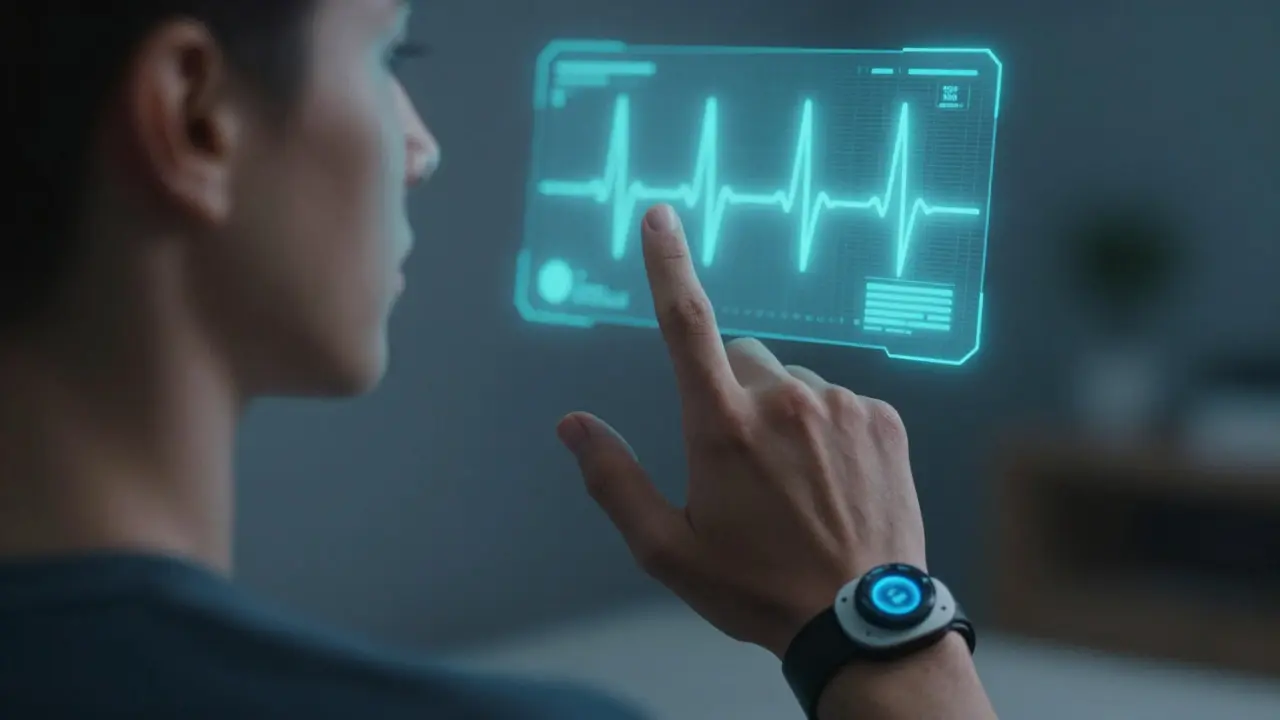
You’re in the zone. The noise fades, your breathing slows, and every action feels effortless. Athletes call it "the flow state." Musicians know it as being "in the pocket." For most of us, however, this state is a fleeting mystery that comes and goes without warning. But what if you could trigger it on demand? What if you had a remote control for your nervous system?
This isn’t science fiction. It’s Biofeedback is a technique that teaches people to improve health by controlling involuntary bodily processes such as heart rate, muscle tension, and skin temperature. By using sensors to monitor these functions in real-time, biofeedback provides immediate visual or auditory cues. You see your heart rate spike when you get anxious, so you learn to breathe differently to bring it down. Over time, the external device becomes unnecessary because you’ve internalized the skill.
For decades, biofeedback was confined to clinical settings, primarily treating chronic pain, hypertension, and anxiety. Today, it has exploded into the realm of high-performance coaching. CEOs, elite athletes, and surgeons are using it not just to cope with stress, but to optimize their cognitive output. This article breaks down how biofeedback works, why it matters for peak performance, and how you can start using it today.
The Science Behind Self-Regulation
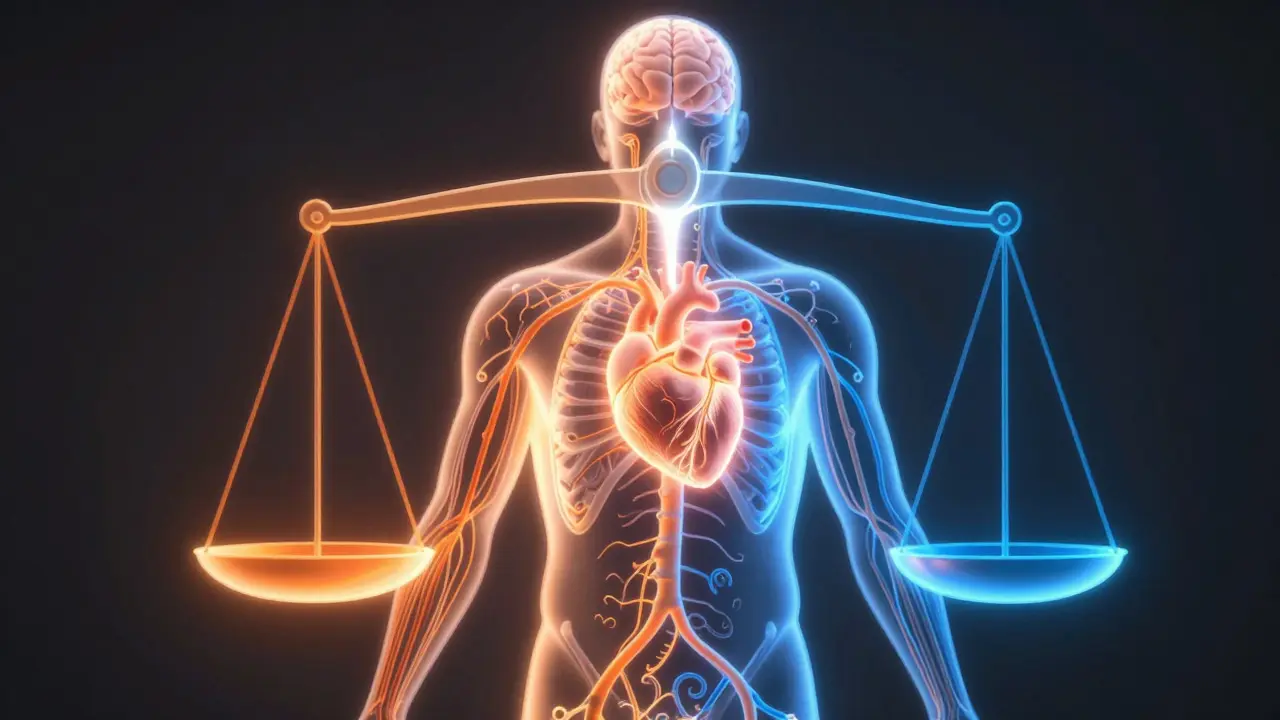
To understand biofeedback, you first need to understand the autonomic nervous system (ANS). The ANS controls the things you don’t think about: digestion, pupil dilation, and heartbeat. It has two main branches: the sympathetic nervous system (fight or flight) and the parasympathetic nervous system (rest and digest).
In modern life, we tend to live in a state of low-grade sympathetic activation. Deadlines, traffic, and notifications keep our cortisol levels elevated. This constant alertness drains energy and clouds judgment. Biofeedback acts as a mirror for this invisible process. When you see your data-say, your skin conductance rising as you prepare for a presentation-you gain agency over a process that usually happens automatically.
The core mechanism here is operant conditioning. Just like a dog learns to sit for a treat, your brain learns to associate specific physical sensations (like deep diaphragmatic breathing) with desirable outcomes (like a steady heart rate). With repetition, neural pathways strengthen, making self-regulation faster and more automatic. This is why biofeedback is considered a skill, not a passive treatment.
Types of Biofeedback for Performance
Not all biofeedback is created equal. Different modalities target different physiological markers. For peak performance, three types stand out:
- Heart Rate Variability (HRV) Biofeedback: HRV measures the variation in time between each heartbeat. A higher HRV indicates a resilient, adaptable nervous system. Low HRV suggests stress or fatigue. HRV training is the gold standard for mental resilience and emotional regulation.
- Electromyography (EMG) Biofeedback: EMG sensors measure muscle tension. This is crucial for athletes who hold unnecessary tension in their shoulders or jaw, which wastes energy and reduces precision. It’s also vital for speakers and performers who need relaxed vocal cords.
- Electroencephalogram (EEG) or Neurofeedback: This monitors brainwave activity. Alpha waves are linked to relaxed focus, while Beta waves correlate with active thinking. Neurofeedback helps train the brain to stay in an optimal state of arousal-not too sleepy, not too jittery.
While EEG offers deep insights into brain function, HRV and EMG are more accessible and often sufficient for general performance enhancement. Most consumer-grade devices focus on HRV because it’s easy to measure via photoplethysmography (PPG) sensors found in smartwatches.
| Modality | Measures | Best For | Accessibility |
|---|---|---|---|
| HRV Biofeedback | Heart rhythm variability | Stress reduction, emotional control | High (smartwatches, apps) |
| EMG Biofeedback | Muscle electrical activity | Physical tension, sports technique | Medium (specialized sensors) |
| Neurofeedback (EEG) | Brainwave patterns | Cognitive focus, ADHD, sleep | Low (clinical or advanced headsets) |
| Thermal Biofeedback | Skin temperature | Anxiety, migraines | Medium (finger sensors) |
Why Top Performers Use Biofeedback
You might wonder why a Fortune 500 CEO or an Olympic sprinter would invest time in biofeedback. The answer lies in consistency. Talent gets you started; consistency keeps you there. Stress is the enemy of consistency. It causes erratic decision-making, poor motor control, and burnout.
Consider the example of a professional trader. In high-stakes trading, milliseconds matter. A sudden spike in anxiety can lead to impulsive buys or panic sells. Traders using HRV biofeedback learn to recognize the physical onset of stress before it impacts their decisions. They pause, breathe, and reset their physiological state, ensuring their choices remain logical rather than emotional.
In sports, the application is similar but physical. A golfer’s swing relies on precise timing. If their grip tension increases due to pressure, the clubface opens, and the ball slices. EMG biofeedback helps them feel that micro-tension and release it instantly. Studies from the American Psychological Association have shown that biofeedback interventions can significantly reduce performance anxiety in competitive environments.
For creative professionals, biofeedback aids in entering flow states more quickly. Writers and designers often struggle with mental blocks. By monitoring their brainwaves or heart rate, they can identify the physiological signature of their "creative zone" and replicate it on command.
How to Start Your Biofeedback Journey
You don’t need a clinical lab to begin. The barrier to entry has never been lower. Here is a practical roadmap to integrating biofeedback into your routine:
- Choose Your Metric: Start with Heart Rate Variability (HRV). It’s the most comprehensive indicator of your nervous system’s balance. If you play a sport requiring fine motor skills, consider adding EMG later.
- Select Your Tool: You can use dedicated devices like the Elite HRV strap or affordable smartphone apps that use your phone’s camera for PPG readings. Smartwatches from Apple, Garmin, and Whoop also provide HRV data, though they may lack real-time interactive feedback.
- Establish a Baseline: Measure your resting HRV for a week. Note how it changes after sleep, exercise, or stressful meetings. Understanding your normal range is critical before you try to change it.
- Practice Coherent Breathing: This is the primary intervention in HRV biofeedback. Breathe slowly and deeply at a rate of 5-6 breaths per minute (inhale for 5 seconds, exhale for 5 seconds). Watch your device’s feedback. Aim for a smooth, rhythmic wave pattern.
- Apply Under Pressure: Once you master relaxation, practice during mild stressors. Try a difficult work task or a practice drill while monitoring your metrics. Learn to maintain coherence even when challenged.
Consistency beats intensity. Ten minutes of daily practice yields better results than one hour once a month. Treat it like brushing your teeth-a non-negotiable part of your hygiene routine.
Pitfalls to Avoid
Despite its benefits, biofeedback isn’t magic. Misusing it can lead to frustration or wasted resources. Here are common mistakes to avoid:
Obsessing Over Numbers: Data should inform, not dictate. If you become anxious because your HRV dropped, you’ve defeated the purpose. Focus on the feeling of calm, not just the score on the screen.
Neglecting Sleep and Nutrition: Biofeedback trains your software, but sleep and nutrition build your hardware. No amount of breathing exercises will compensate for chronic sleep deprivation or a diet high in processed sugars. Address foundational health first.
Expecting Instant Results: Neuroplasticity takes time. You won’t be a Zen master after one session. It typically takes 4-8 weeks of consistent practice to see significant changes in baseline physiology.
Ignoring Context: Not all stress is bad. Eustress (positive stress) motivates growth. The goal isn’t to eliminate all arousal but to regulate it appropriately. Sometimes, you want to ramp up your sympathetic response for a sprint; other times, you want to dial it down for negotiation.

The Future of Performance Technology
We are standing on the brink of a new era in human optimization. Wearable technology is becoming smaller, cheaper, and more accurate. Soon, we may see non-invasive glucose monitoring integrated with biofeedback platforms, allowing users to manage energy crashes caused by blood sugar spikes.
Artificial intelligence is also playing a larger role. AI algorithms can analyze years of your biometric data to predict when you’re likely to burn out or perform best. Imagine your watch vibrating gently to suggest a five-minute breathing break right before your stress levels become counterproductive.
As these tools become ubiquitous, the definition of "peak performance" will shift. It won’t just be about working harder; it will be about working smarter with your biology. Those who learn to listen to their bodies’ signals will have a distinct advantage in any field.
Conclusion
Biofeedback demystifies the connection between mind and body. It transforms abstract concepts like "stress" and "focus" into tangible, measurable data points. By leveraging this technology, you take control of your physiological state, unlocking a level of consistency and clarity that traditional discipline alone cannot achieve.
Whether you’re aiming to close a major deal, win a championship, or simply navigate a busy day with grace, biofeedback offers a proven path forward. Start small, stay consistent, and let the data guide you to your best self.
Is biofeedback safe for everyone?
Yes, biofeedback is generally very safe and non-invasive. Since it involves monitoring natural bodily functions rather than introducing drugs or surgery, side effects are rare. However, individuals with certain cardiac conditions should consult a doctor before starting HRV training, especially if using electrical stimulation devices.
How long does it take to see results from biofeedback?
Most people notice immediate changes during sessions, such as reduced tension or calmer feelings. However, lasting physiological changes and the ability to self-regulate without devices typically require 4 to 8 weeks of consistent daily practice. Think of it like learning a musical instrument; proficiency builds over time.
Do I need expensive equipment to do biofeedback?
Not necessarily. While clinical-grade equipment costs thousands, effective biofeedback can be done with affordable smartphone apps that use your phone's camera to measure heart rate variability. Many smartwatches also provide basic HRV tracking, though dedicated apps offer better real-time feedback for training purposes.
Can biofeedback help with insomnia?
Yes, particularly neurofeedback and HRV biofeedback. Insomnia is often linked to an overactive sympathetic nervous system. Training your body to activate the parasympathetic (rest and digest) system can make it easier to fall asleep and stay asleep. Many users report improved sleep quality within a few weeks of regular practice.
What is the difference between biofeedback and meditation?
Meditation is a practice of focusing attention and achieving a state of mental calm, often without external feedback. Biofeedback uses technology to provide real-time data on your physiological state, making the effects of meditation visible and measurable. Biofeedback essentially accelerates the learning curve of meditation by showing you exactly when you are succeeding.