
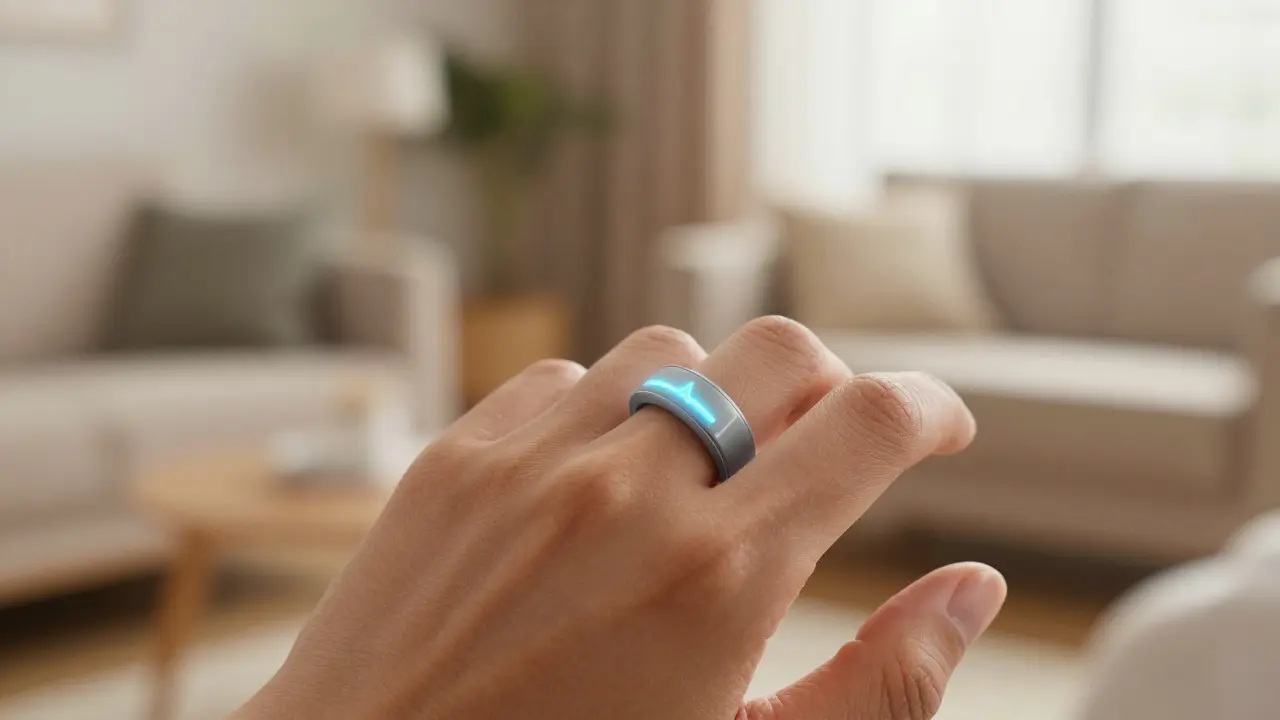
You feel it before you see it. Your shoulders creep up toward your ears, your jaw locks tight, and that familiar knot forms in your stomach. You know you are stressed, but have you ever wondered if you could actually see that stress on a screen? That is the core promise of biofeedback. It turns invisible physiological signals into visible data, giving you the power to control what usually happens automatically.
For decades, people thought their nervous system was out of their hands. You couldn't just "will" your heart rate down or relax your muscles through sheer force of will. Biofeedback changed that narrative completely. By using sensors to monitor body functions like heart rate, muscle tension, and skin temperature, this technique teaches you how to consciously influence these processes. It is not magic; it is learning. And in a world where chronic stress has become the norm, learning to read your body's dashboard might be the most valuable skill you can develop.
How Biofeedback Actually Works
To understand biofeedback, imagine driving a car with the hood open. You can hear the engine sputtering, but you don't know which part is failing. Now, imagine a computer screen pops up showing exactly which cylinder is misfiring. Suddenly, you have information. You can adjust the fuel mixture, check the spark plugs, and fix the problem. Biofeedback provides that dashboard for your body.
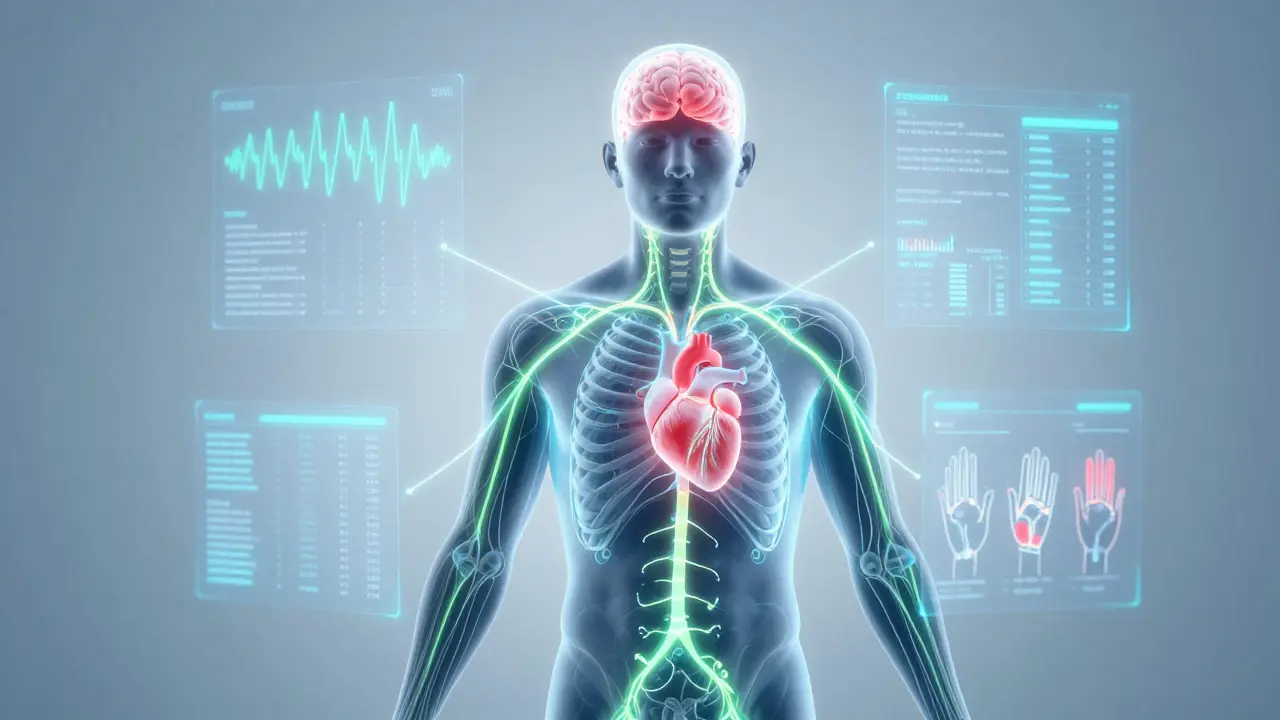
The process relies on a feedback loop. First, sensors attach to your body to measure specific physiological markers. These measurements are sent to a computer or device that translates them into easy-to-understand graphics or sounds. If your muscles tense up, a tone might get higher or faster. If you relax, the tone slows down or lowers in pitch. This immediate feedback allows you to experiment with different mental strategies-like deep breathing or visualization-and instantly see which ones work.
Over time, as you practice, you internalize the sensation of relaxation. Eventually, you no longer need the sensors. You recognize the physical cues of stress earlier and apply the coping mechanisms you learned during training. This makes biofeedback distinct from passive treatments like medication or massage. It empowers you to become your own therapist.
Types of Biofeedback Sensors and What They Measure
Not all biofeedback is created equal. Different sensors target different bodily systems, depending on what you are trying to treat. Understanding these types helps you choose the right approach for your specific needs.
- Electromyography (EMG): This measures muscle tension. Electrodes stick to your skin above specific muscles, often in the forehead, neck, or shoulders. It is highly effective for tension headaches, migraines, and chronic pain conditions where muscle tightness plays a major role.
- Thermal Biofeedback: This tracks skin temperature. When you are stressed, blood vessels constrict, and your hands and feet get colder. As you relax, blood flow increases, and your extremities warm up. This type is particularly useful for Raynaud’s disease and general anxiety.
- Electrodermal Activity (EDA) or Galvanic Skin Response (GSR): This measures sweat gland activity. Even tiny amounts of sweating change the electrical conductivity of your skin. Since sweat glands are controlled by the sympathetic nervous system (the fight-or-flight response), EDA is a sensitive indicator of emotional arousal and stress levels.
- Heart Rate Variability (HRV): This is perhaps the most popular form today. HRV measures the variation in time between each heartbeat. A healthy, flexible heart varies its rate slightly with every breath. Low HRV indicates stress and rigidity; high HRV indicates resilience and relaxation. HRV biofeedback is widely used for cardiovascular health, anxiety, and PTSD.
- Neurofeedback (EEG): This monitors brain wave activity. While technically a subset of biofeedback, it operates at a deeper level. It helps regulate attention, sleep, and mood disorders like ADHD and depression by training the brain to produce healthier wave patterns.
Biofeedback vs. Mindfulness: What’s the Difference?
People often confuse biofeedback with mindfulness meditation. Both aim to reduce stress and improve well-being, but they take very different paths. Mindfulness is an internal, subjective practice. You focus on your breath, observe your thoughts without judgment, and cultivate awareness. There is no external data telling you if you are doing it "right."
Biofeedback, on the other hand, is objective and data-driven. It provides concrete evidence of your physiological state. You might think you are calm, but your heart rate variability tells a different story. Or you might feel anxious, yet your muscle tension readings show significant relaxation. This objectivity removes the guesswork. For people who struggle with traditional meditation because they find it too abstract or boring, biofeedback offers a tangible goal. It gamifies relaxation, turning a vague concept into a measurable skill.
However, they are not mutually exclusive. Many practitioners combine both. You might use mindfulness techniques as the method to achieve relaxation while using biofeedback sensors to verify your progress. The synergy between the two can accelerate learning and deepen the sense of control.
Clinical Applications: Beyond Just Relaxation
While stress management is the most common reason people seek biofeedback, its clinical applications are far broader. Research supports its efficacy for a variety of medical conditions, often as a complementary therapy alongside conventional treatment.
| Condition | Biofeedback Type Used | Mechanism of Action |
|---|---|---|
| Migraine & Tension Headaches | EMG, Thermal | Reduces muscle tension in neck/head and improves blood flow regulation. |
| Anxiety Disorders & PTSD | HRV, EDA | Calms the sympathetic nervous system and enhances parasympathetic (rest-and-digest) activity. |
| Hypertension (High Blood Pressure) | HRV, Thermal | Lowers vascular resistance and promotes vasodilation. |
| Incontinence | EMG (Pelvic Floor) | Strengthens weak pelvic muscles and teaches coordination for bladder control. |
| ADHD | Neurofeedback (EEG) | Trains brain waves to improve focus and reduce impulsivity. |
| Irritable Bowel Syndrome (IBS) | HRV, Abdominal EMG | Regulates gut-brain axis and reduces visceral hypersensitivity. |
For example, patients with irritable bowel syndrome (IBS) often suffer from heightened sensitivity to gut sensations. HRV biofeedback can help decouple the emotional stress response from gastrointestinal distress. Similarly, athletes use biofeedback to optimize performance by maintaining optimal arousal levels-not too relaxed, not too anxious, but in the "zone."
Getting Started: Clinical Sessions vs. Home Devices
If you are interested in trying biofeedback, you have two main options: working with a certified clinician or purchasing a home device. Each has distinct advantages and limitations.
Clinical Biofeedback: Conducted by a psychologist or physician certified by the Biofeedback Certification International Alliance (BCIA). These sessions typically last 30-60 minutes and occur weekly for several weeks. The therapist guides you through exercises, interprets the data, and tailors the protocol to your specific needs. This is the gold standard for treating medical conditions like migraines or severe anxiety. Insurance often covers these sessions if prescribed by a doctor.
Home Biofeedback Devices: The market has exploded with consumer-grade gadgets. Wearable rings, smartwatches, and handheld sensors now offer real-time HRV and EDA tracking. Apps like Elite HRV or Inner Balance provide guided sessions. These are excellent for maintenance, daily stress monitoring, and building habit. However, they lack the personalized guidance of a therapist. You might misinterpret the data or fail to address underlying issues. Home devices are best viewed as supplements to, not replacements for, professional care when dealing with serious health concerns.

Pitfalls and Limitations to Watch For
Biofeedback is powerful, but it is not a cure-all. One common misconception is that it works instantly. Learning to regulate your physiology takes time and consistent practice. Some people expect one session to eliminate their chronic pain or anxiety, leading to disappointment. It is more like going to the gym; you don't get fit after one workout. You need repetition.
Another pitfall is data obsession. Because biofeedback provides numbers, some users become hyper-focused on hitting a specific score rather than feeling relaxed. This can ironically create more stress. Remember, the numbers are a tool, not the goal. The ultimate aim is to feel better in your daily life, regardless of what the sensor says.
Also, biofeedback requires active participation. If you are unwilling to engage in the learning process or practice the techniques outside of sessions, you will likely see minimal results. It demands effort and patience. Finally, ensure any device you buy uses validated sensors. Cheap, unregulated gadgets may provide inaccurate readings, leading to ineffective training.
Future Trends in Biofeedback Technology
The field is evolving rapidly. Artificial intelligence is beginning to play a larger role, analyzing complex patterns in physiological data to predict stress episodes before they happen. Imagine a watch that vibrates gently when it detects early signs of rising cortisol, prompting you to take three deep breaths before you even feel anxious.
Virtual reality (VR) is also merging with biofeedback. Users wear headsets and sensors simultaneously, immersing themselves in calming environments while receiving real-time feedback on their relaxation levels. This combination enhances engagement and makes the training experience more intuitive. As technology becomes cheaper and more accessible, biofeedback is poised to move from a niche therapeutic tool to a mainstream wellness staple.
Is biofeedback covered by insurance?
Coverage varies significantly by provider and plan. In many cases, biotherapy is covered if it is prescribed by a physician for a diagnosed medical condition such as hypertension, migraines, or IBS. You typically need a referral and documentation of medical necessity. Consumer-grade home devices are rarely covered. Always check with your insurance company directly and ask if your provider accepts BCIA-certified therapists.
How long does it take to see results from biofeedback?
Most people notice some improvement within 4 to 8 sessions, but full mastery often requires 10 to 20 sessions spread over several months. The timeline depends on the complexity of the issue, your consistency in practicing at home, and the type of biofeedback used. Simple stress reduction may show quicker gains than chronic pain management.
Can I do biofeedback alone at home?
Yes, especially for general stress management and wellness. Many apps and wearable devices allow for self-guided HRV and EDA training. However, for clinical conditions like severe anxiety, PTSD, or chronic pain, starting with a certified therapist is recommended to learn proper techniques and avoid frustration. Once skilled, you can maintain your progress with home tools.
Are there any side effects to biofeedback?
Biofeedback is non-invasive and generally safe. There are no known physical side effects. Some people may experience temporary emotional discomfort as they become more aware of suppressed feelings or stress triggers. This is usually part of the healing process and can be managed with the guidance of a therapist. It is not addictive and does not interfere with medications.
What is the difference between neurofeedback and regular biofeedback?
Regular biofeedback typically monitors peripheral body functions like heart rate, muscle tension, and skin temperature. Neurofeedback, specifically EEG biofeedback, monitors brain wave activity directly via electrodes placed on the scalp. Neurofeedback is used primarily for cognitive and neurological issues like ADHD, insomnia, and traumatic brain injury, whereas standard biofeedback is often used for stress, pain, and cardiovascular health.