
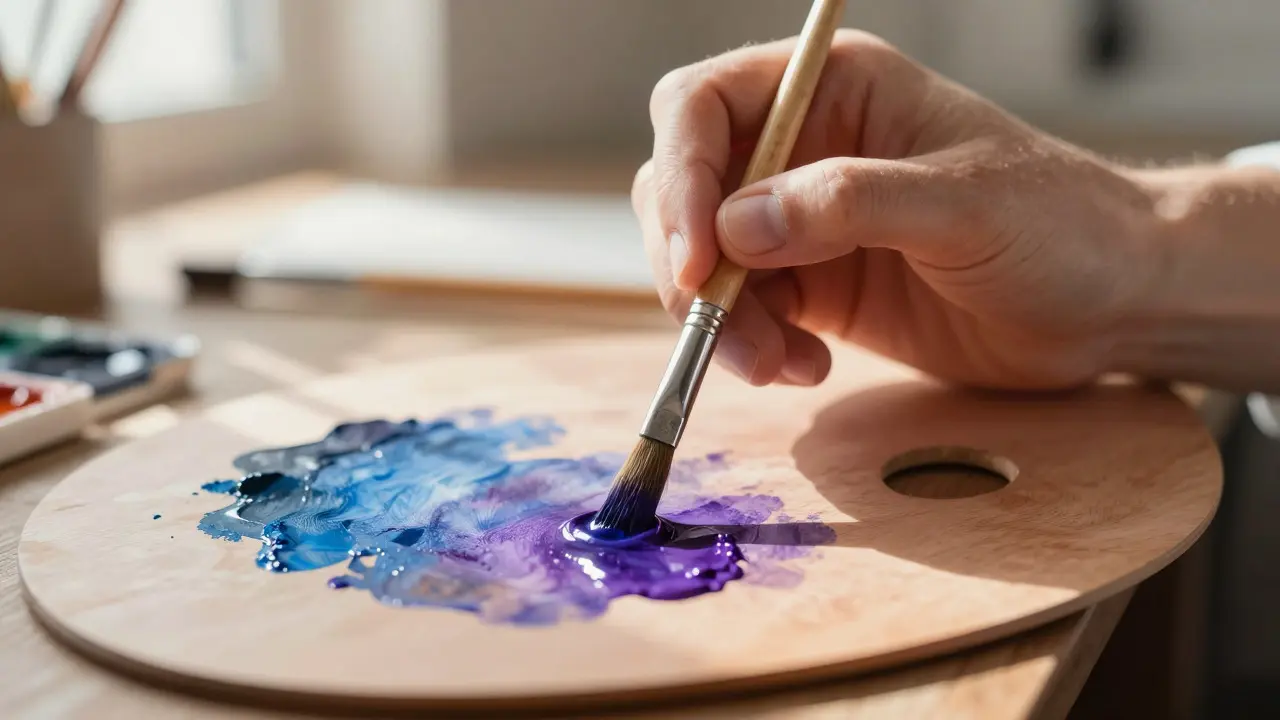
Have you ever tried to explain a feeling that felt too big for words? Maybe it was grief after a loss, anxiety before a major life change, or the quiet weight of stress that just wouldn't lift. Sometimes, talking isn't enough. That’s where Creative Arts Therapies is a collection of therapeutic approaches that use artistic expression-such as visual art, music, dance, and drama-to improve mental, emotional, and physical well-being. These methods don’t require you to be an artist; they require you to be present. By engaging in non-verbal or semi-verbal creative processes, you bypass the cognitive filters that often block us from accessing deep emotions, allowing for a more direct path to healing and resilience.
Why Creative Expression Works on the Brain
Traditional talk therapy relies heavily on the prefrontal cortex, the part of your brain responsible for logic and language. While effective for many, it can sometimes feel like analyzing a problem rather than resolving it. Creative arts therapies engage different neural pathways. For instance, when you paint, you activate the motor cortex and sensory areas simultaneously. This dual engagement helps regulate the amygdala, the brain's fear center, which is often overactive in people dealing with trauma or chronic stress.
The mechanism is simple but powerful. When you focus on the brushstroke, the rhythm of the drum, or the movement of your body, your nervous system shifts from a state of hyperarousal (fight or flight) to one of safety. This shift allows the subconscious mind to surface memories and feelings that were previously locked away. It’s not about creating a masterpiece; it’s about using the creative act as a bridge between your conscious thoughts and your deeper emotional landscape.
The Main Pillars of Creative Arts Therapy
There are several distinct disciplines within this field, each offering unique benefits depending on what you need to process. Here is a breakdown of the most common modalities:
- Art Therapy: Uses visual media like painting, drawing, and collage. It’s particularly effective for processing visual memories and expressing complex emotions without needing to articulate them. A single color choice can reveal underlying mood states that verbal conversation might miss.
- Music Therapy: Involves listening, playing, singing, or composing. Music has a direct link to memory and emotion. Rhythms can stabilize heart rate, while lyrics can provide a framework for storytelling. It’s highly accessible because you don’t need musical training to benefit from it.
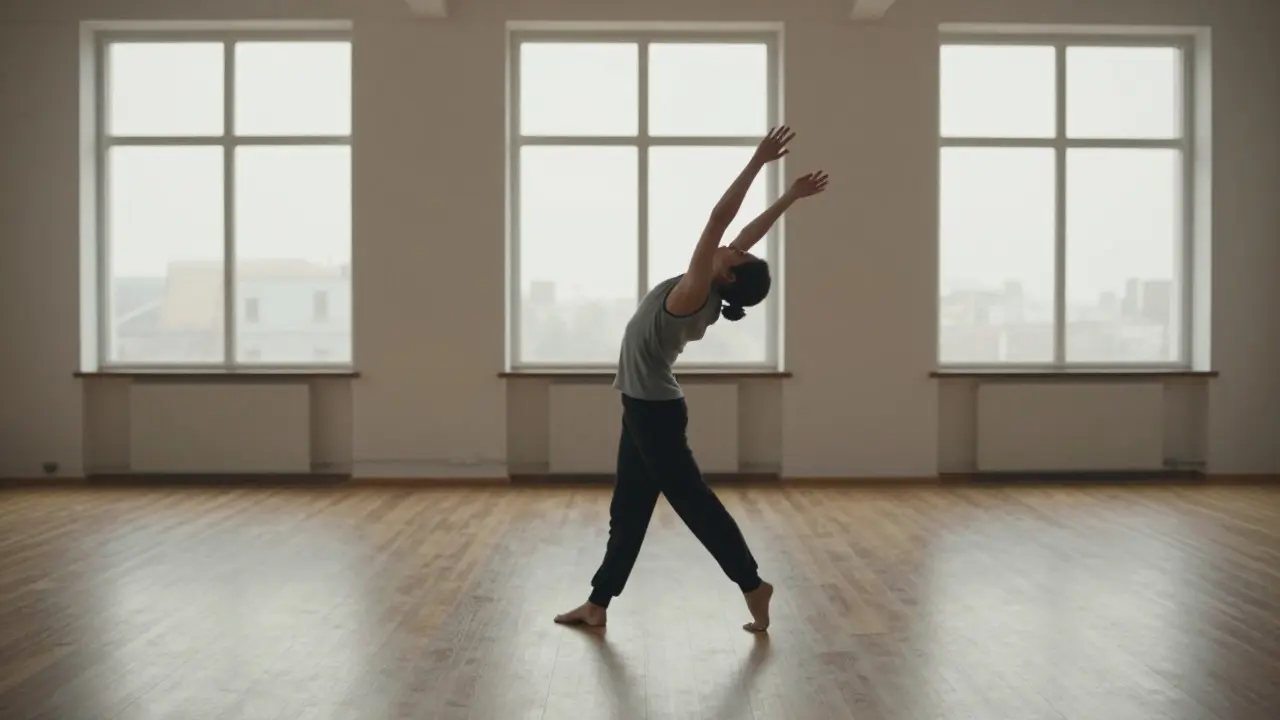
- Dance/Movement Therapy: Focuses on the connection between body and mind. Trauma often gets stored in the body as tension or restricted movement. Through guided movement, you release physical blocks, which in turn releases emotional stagnation. It’s excellent for those who feel "stuck" physically or emotionally.
- Drama Therapy: Uses role-playing, improvisation, and theater techniques. It allows you to step into different perspectives, practice new social skills, or rehearse difficult conversations in a safe space. It builds empathy and self-awareness through action rather than analysis.
Building Resilience Through Practice
Resilience isn’t about bouncing back exactly as you were; it’s about adapting and growing stronger after adversity. Creative arts therapies build resilience by giving you tools to manage your internal state. Instead of being overwhelmed by a feeling, you learn to externalize it. You put the chaos on paper, in sound, or in motion. Once outside of you, it becomes manageable. You can look at it, change it, or simply let it exist without letting it control you.
This process strengthens your emotional regulation skills. Over time, you become better at recognizing early signs of distress and choosing a creative outlet to address them before they escalate. It’s a proactive approach to mental health that complements other strategies like meditation or counseling.
| Modality | Primary Benefit | Best For | Accessibility Requirement |
|---|---|---|---|
| Art Therapy | Visualizing abstract emotions | Anxiety, PTSD, Grief | Low (basic materials) |
| Music Therapy | Mood regulation and memory access | Depression, Cognitive decline | Medium (instrument or audio) |
| Dance/Movement | Releasing somatic tension | Trauma, Low energy | High (space and mobility) |
| Drama Therapy | Social skill building and perspective taking | Shyness, Social anxiety | Medium (group setting) |
Getting Started Without Professional Help
You don’t need a degree in psychology to start using these techniques. Many people begin with solo practices at home. If you’re curious about trying this out, here are some low-barrier ways to start:
- Free-Form Drawing: Set a timer for 10 minutes. Grab any pen or pencil. Draw whatever comes to mind without judging the result. The goal is flow, not form. Afterward, spend two minutes looking at the image. What do you notice? Don’t force meaning; let it emerge.
- Rhythmic Breathing: Find a piece of music with a steady beat around 60 beats per minute (think classical pieces or slow electronic). Breathe in for four counts, hold for four, and out for eight. Sync your breath to the music. This anchors your nervous system in the present moment.
- Movement Journaling: Instead of writing, move. Pick three adjectives that describe how you feel today (e.g., heavy, fast, tangled). Spend two minutes moving your body in a way that matches each word. Shake out the tension. Stretch. Let the movement tell the story.
These small acts train your brain to associate creative expression with safety and release. Consistency matters more than intensity. Even five minutes a day can create significant changes over weeks.
When to Seek Professional Support
While self-guided practice is valuable, professional guidance offers structure and safety. Consider seeing a certified creative arts therapist if:
- You have experienced significant trauma or abuse.
- You struggle with severe depression or anxiety that interferes with daily life.
- You feel stuck in repetitive negative thought patterns.
- You want to explore deep-seated issues in a contained, supportive environment.
A trained therapist knows how to pace the process, ensuring that intense emotions are released safely. They also help you interpret your creations, turning raw expression into insight and actionable steps for change.
Frequently Asked Questions
Do I need to be good at art to do art therapy?
No. Art therapy is not about aesthetic judgment. The value lies in the process of creation, not the final product. Whether you draw straight lines or chaotic scribbles, both are valid expressions of your internal state.
How long does it take to see results from creative arts therapies?
Results vary. Some people feel immediate relief after a single session of rhythmic breathing or free drawing. For deeper issues like trauma, consistent practice over several months is usually required to build lasting resilience. Think of it like exercise: consistency yields the best long-term results.
Is creative arts therapy suitable for children?
Yes, it is particularly effective for children who may not yet have the vocabulary to express complex emotions. Play-based and art-based interventions allow kids to communicate their experiences naturally, making it a staple in pediatric mental health care.
Can I combine creative arts therapies with talk therapy?
Absolutely. Many therapists integrate creative elements into traditional talk sessions. Combining both approaches often provides a more holistic treatment plan, addressing both the cognitive understanding of problems and the emotional/somatic experience of them.
What should I avoid when practicing creative arts therapies at home?
Avoid forcing interpretation. If a drawing makes you feel sad, don’t immediately try to fix it or analyze why. Allow yourself to sit with the feeling. Also, ensure you have a private, safe space so you feel comfortable expressing freely without interruption or judgment.