
Staring at a blank canvas or a silent instrument often feels like staring into a void. You want to create, but the pressure to make something "good" freezes you in place. This is where Creative Arts Therapies is a set of clinical practices using artistic expression to improve physical, emotional, and social well-being. Unlike hobbyist crafting, these therapies use structured processes to bypass the inner critic and access deeper layers of self-expression. The goal isn't to become an artist; it's to use art as a language for things words can't quite say.
Key Takeaways
- Creative Arts Therapies include distinct modalities like art, music, dance, drama, and writing, each with specific clinical applications.
- You do not need prior skill; the process matters more than the product in therapeutic settings.
- These therapies are evidence-based tools for managing anxiety, trauma, and chronic pain, not just relaxation techniques.
- Professional supervision is key when using these methods for healing, distinguishing them from casual creative hobbies.
- Mixed-media approaches (expressive arts) allow for flexible exploration when one modality doesn't resonate.
What Exactly Are Creative Arts Therapies?
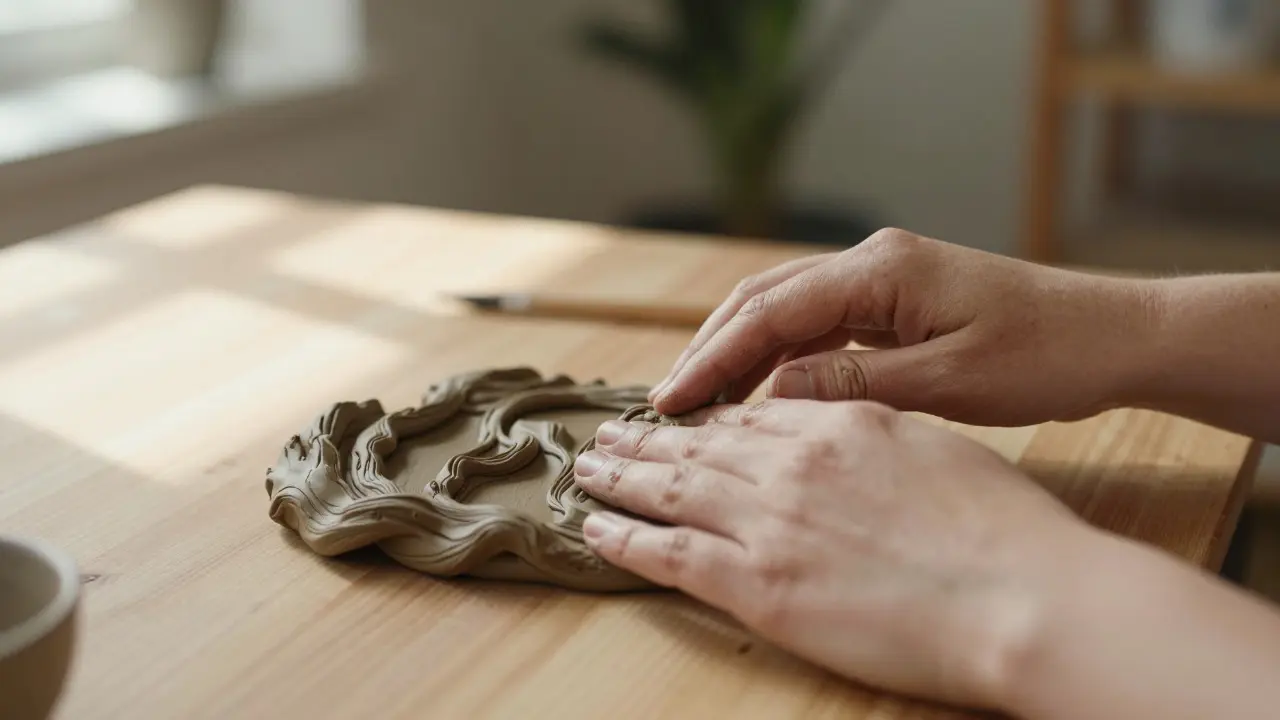
People often lump all artistic activities under one umbrella, but in clinical practice, there are clear distinctions. Art Therapy uses visual media-paint, clay, collage-to explore feelings and resolve conflicts. It’s tactile and immediate. If you’re struggling to articulate grief, drawing it might reveal patterns you didn’t know existed. On the other hand, Music Therapy leverages rhythm, melody, and harmony to achieve non-musical goals. It can regulate heart rate, reduce cortisol levels, and even assist in motor recovery for stroke patients. Then there’s Dance/Movement Therapy, which focuses on body awareness and non-verbal communication. For those who feel trapped in their heads, moving the body through guided improvisation can release tension stored physically.
Drama Therapy uses role-playing and storytelling to rehearse new behaviors or process past events safely. Writing Therapy, sometimes called Bibliotherapy when combined with reading, helps organize thoughts through journaling or narrative creation. Each modality has its own training requirements and professional bodies. In Australia, for instance, practitioners must be accredited by organizations like the Australian Dance Therapy Association or the Art Therapy Association of Australia to ensure they follow ethical standards and evidence-based practices.
How These Therapies Actually Work
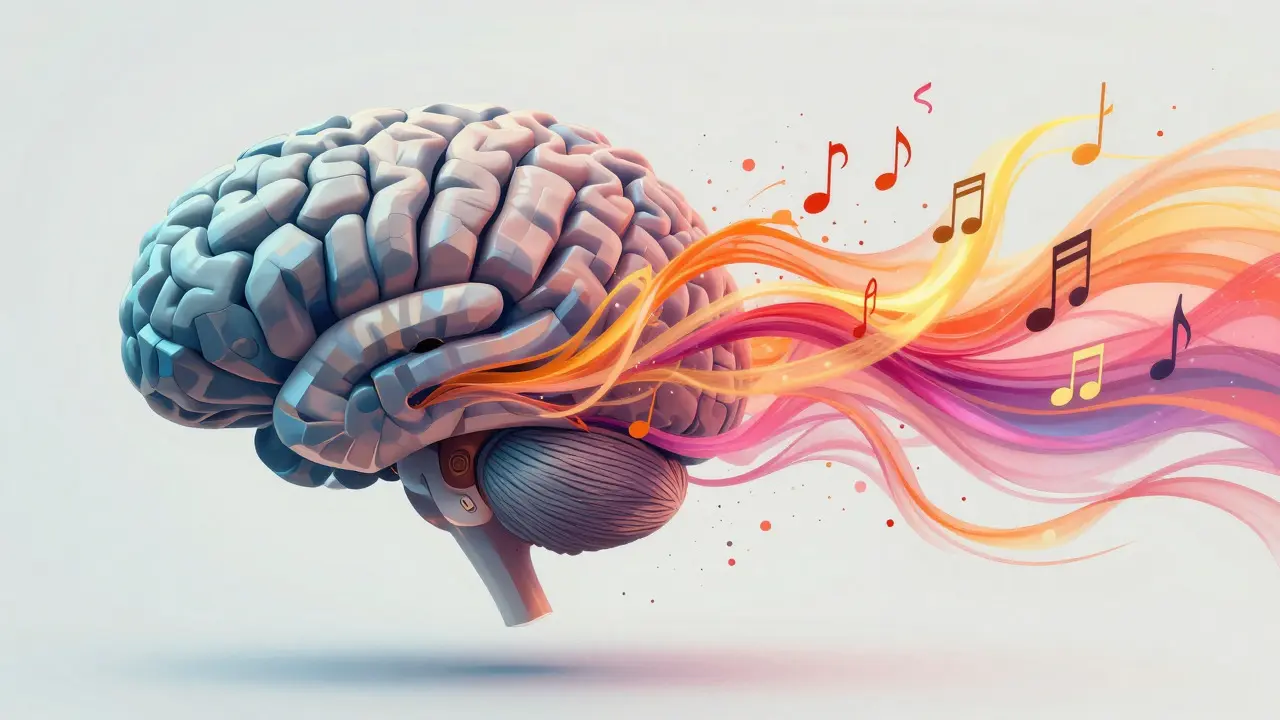
The mechanism isn't magic; it's neuroscience and psychology working together. When you engage in creative flow, your brain shifts from the prefrontal cortex (the critical, analytical part) to more associative networks. This state, often called "flow," reduces the activity of the inner critic. You stop judging the line you just drew or the note you just played. Instead, you observe what emerges.
This shift allows access to the subconscious mind. Trauma, for example, is often stored in the body and memory fragments that don't translate well into linear speech. A client might struggle to talk about a car accident, but painting the colors of that day or dancing out the shaking legs can bring the experience into the present moment safely. The therapist then helps integrate that experience into a coherent narrative. It’s less about making a masterpiece and more about making meaning.
Choosing the Right Modality for Your Needs
Not every tool fits every job. If you're highly verbal but stuck in overthinking, writing therapy might deepen the spiral. But if you're non-verbal or find talking exhausting, art or dance might be your entry point. Here’s a quick guide to help you decide where to start:
| Modality | Best For | Primary Medium | Typical Session Focus |
|---|---|---|---|
| Art Therapy | Anxiety, trauma processing, low self-esteem | Paint, clay, collage | Visualizing emotions, externalizing internal states |
| Music Therapy | Pain management, mood regulation, cognitive decline | Instruments, singing, listening | Rhythm entrainment, lyrical discussion, active playing |
| Dance/Movement | Body dysmorphia, stress, social anxiety | Body movement, space | Somatic awareness, non-verbal expression |
| Drama Therapy | Communication skills, social confidence, conflict resolution | Role-play, props, story | Rehearsing scenarios, perspective-taking |
| Writing Therapy | Grief, organization of thoughts, PTSD | Journals, prompts, narrative | Stream-of-consciousness, reflective writing |
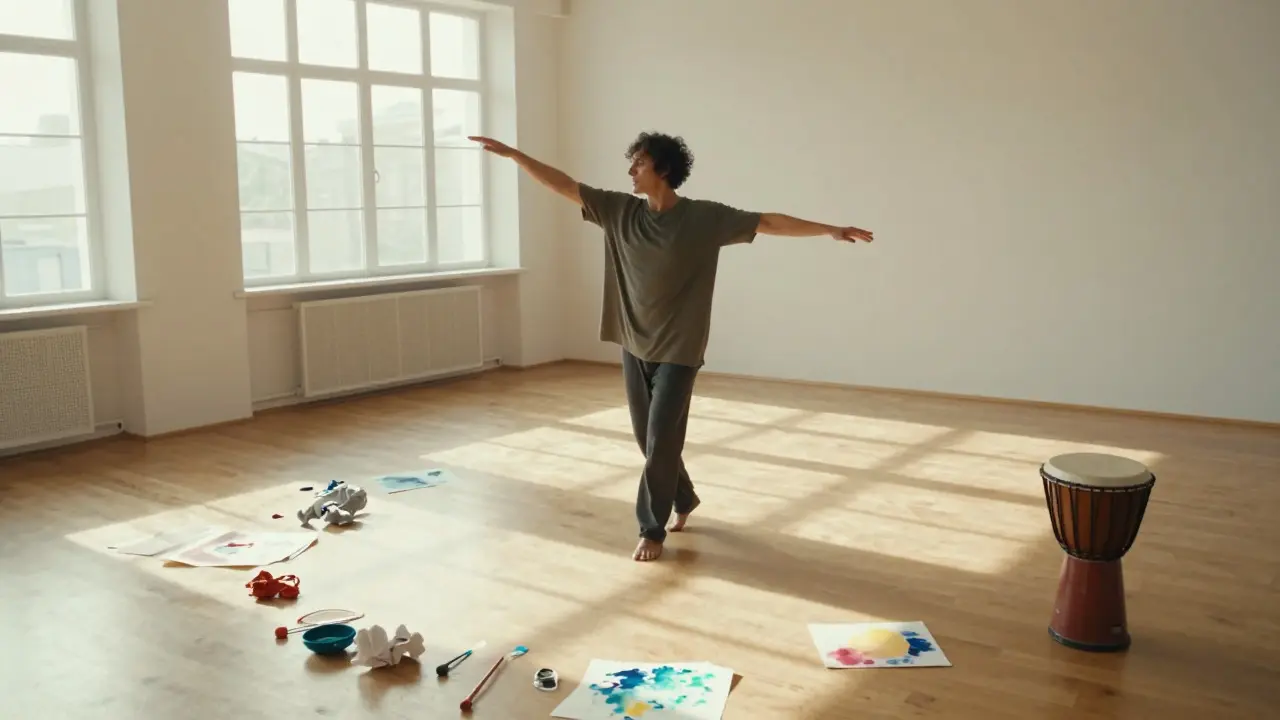
If you’re unsure, consider Expressive Arts Therapy, a mixed-modality approach where you move between mediums freely. One session might start with drumming, transition to drawing, and end with a short written reflection. This flexibility is ideal for beginners or those who haven’t found their preferred channel yet.
Getting Started Without a Degree
You don’t need to hire a therapist immediately to benefit from these principles. However, context matters. If you’re dealing with severe depression or complex trauma, seek a qualified professional. For general creativity blocks or mild stress, you can try self-guided exercises. Start small. Set a timer for 10 minutes. Choose one medium. Give yourself permission to make "bad" art. The rule is simple: no judgment, just observation.
For example, if you’re feeling overwhelmed, try a "worry dump." Write down every anxious thought without stopping. Don’t edit. Once it’s on paper, look at the list. Circle the top three. Draw a symbol for each. Notice how the feeling changes when it moves from your head to the page. This is a basic therapeutic technique rooted in externalization. Similarly, if you’re stuck creatively, change your medium. If writing fails, sketch. If sketching fails, hum. The switch in sensory input often breaks the loop of stagnation.
Common Pitfalls to Avoid
The biggest mistake people make is treating the output as the goal. If you spend an hour painting and hate the result, you’ve likely failed the exercise-not because the painting is ugly, but because you judged it instead of experiencing the process. Another pitfall is forcing a modality. If you hate dancing, don’t force yourself into a dance class expecting it to heal you. Find the medium that feels safe. Safety is the prerequisite for deep work.
Also, beware of "art washing." Using art supplies to procrastinate or decorate rather than explore. True creative therapy involves discomfort. It requires sitting with ambiguity. If you’re always producing pretty, finished pieces, you might be avoiding the messy middle where real insight happens. Embrace the mess. That’s where the unlocking occurs.
Frequently Asked Questions
Do I need to be good at art to benefit from art therapy?
No. In fact, being "good" can be a barrier because it invites criticism. Art therapy values the process of creation over aesthetic quality. A child’s scribble holds as much diagnostic and expressive value as a professional painting in this context.
How is creative arts therapy different from taking a hobby class?
A hobby class focuses on skill acquisition and enjoyment. Creative arts therapy focuses on psychological outcomes, such as reducing anxiety or processing trauma. While both involve making things, therapy includes guided reflection, professional facilitation, and specific therapeutic goals.
Which therapy is best for anxiety?
Music therapy and mindfulness-based movement are often highly effective for acute anxiety due to their physiological calming effects. Art therapy is excellent for long-term processing of underlying causes. Many clients find a combination works best.
Can these therapies replace traditional talk therapy?
They can complement or, in some cases, replace talk therapy depending on the individual. Some people find verbal processing difficult or insufficient. For others, combining talk therapy with expressive arts provides a more holistic approach. It’s not strictly either/or.
How long does it take to see results?
Results vary. Some people feel a sense of relief after the first session simply by breaking routine. Deeper structural changes, such as resolving trauma, typically require consistent weekly sessions over several months. Patience is essential, as creative breakthroughs rarely happen on a strict schedule.