
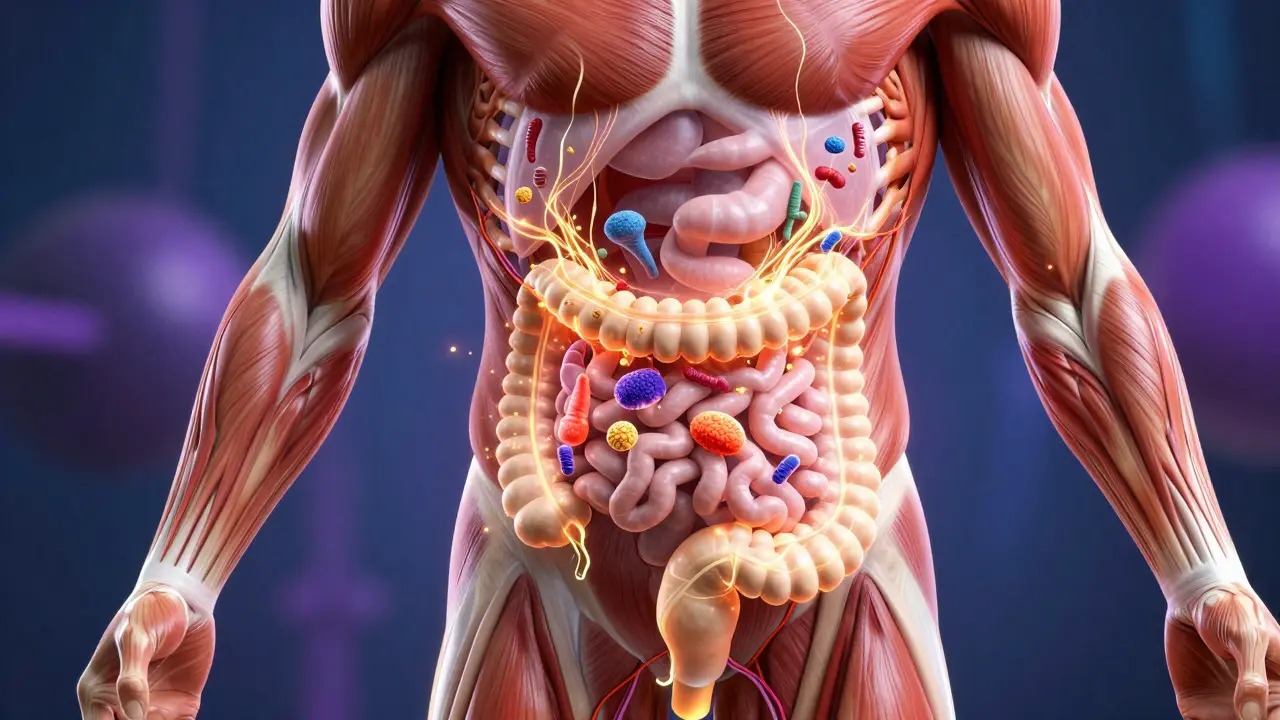
Ever finished a hard run feeling like your legs were made of lead, or struggled to recover after a gym session? You might be blaming your sleep or nutrition plan, but there’s a quieter player in the game: your gut. Gut health is the state of your gastrointestinal tract and its microbial ecosystem, which directly influences energy production, nutrient absorption, and immune function. It turns out that what happens inside your intestines has a massive impact on how fast you can sprint, how well you recover, and even how motivated you feel to train.
For years, fitness advice focused almost exclusively on muscle, cardio, and protein intake. But recent research shows that the trillions of bacteria living in your digestive system-the gut microbiome-act as a metabolic engine. They break down complex foods, produce vitamins, and regulate inflammation. If this ecosystem is imbalanced, your body struggles to convert food into usable energy, leading to fatigue and slower recovery. In short, your gut doesn’t just digest food; it fuels your performance.
The Gut-Muscle Connection
Your muscles don’t work in isolation. They rely on signals from your nervous system and nutrients delivered by your bloodstream. The gut plays a critical role in both. When your gut lining is healthy, it acts as a barrier that prevents harmful toxins from leaking into your blood-a condition known as leaky gut. If this barrier weakens, chronic low-grade inflammation can set in. This inflammation interferes with muscle repair processes and can make you feel sluggish even when you’ve eaten enough calories.
Consider an endurance athlete training for a marathon. If their gut is inflamed, they may experience bloating, cramping, or early satiety during long runs. These symptoms aren’t just uncomfortable; they force the body to divert energy away from the working muscles and toward managing digestive distress. A balanced gut ensures that nutrients like carbohydrates and fats are absorbed efficiently, providing steady fuel without gastrointestinal upset.
Nutrient Absorption and Energy Production
You can eat the most perfect diet in the world, but if your gut can’t absorb the nutrients, those calories are wasted. The gut microbiome helps break down fiber into short-chain fatty acids (SCFAs), such as butyrate. SCFAs serve as a direct energy source for colon cells and help regulate blood sugar levels. Stable blood sugar means sustained energy during workouts, rather than the crash-and-burn cycle many people experience.
Vitamins B12 and K are also synthesized by gut bacteria. Vitamin B12 is essential for red blood cell formation, which carries oxygen to your muscles. Vitamin K plays a key role in bone health and calcium regulation. Without adequate gut bacteria, you might need supplements to compensate, but getting these nutrients naturally through a diverse microbiome is more efficient and synergistic.
| Performance Metric | Role of Gut Health | Impact of Poor Gut Function |
|---|---|---|
| Energy Levels | Efficient conversion of food to ATP via SCFAs | Fatigue, brain fog, mid-workout crashes |
| Muscle Recovery | Reduces systemic inflammation, aids amino acid absorption | Prolonged soreness, slower tissue repair |
| Oxygen Delivery | Synthesis of Vitamin B12 for red blood cells | Reduced stamina, quick exhaustion |
| Immune Resilience | 70-80% of immune cells reside in the gut | Frequent illness, missed training days |
Inflammation: The Silent Performance Killer
Inflammation is necessary for healing, but chronic inflammation is toxic to athletic performance. Modern diets high in processed sugars and artificial additives can disrupt the gut lining, triggering an immune response. This creates a cycle where the body is constantly fighting internal stress, leaving fewer resources for external stressors like intense training.
Athletes with poor gut health often report higher rates of upper respiratory tract infections. Since a significant portion of your immune system is located in the gut-associated lymphoid tissue (GALT), a compromised gut means a weaker defense against viruses. Missing even one or two days of training due to illness can derail progress, especially in periodized training programs.
How Exercise Shapes Your Microbiome
The relationship between gut health and performance is bidirectional. Just as your gut affects your workouts, your workouts affect your gut. Regular moderate-intensity exercise increases the diversity of your gut bacteria. Studies have shown that athletes often have different microbial profiles compared to sedentary individuals, with higher populations of bacteria that aid in fat metabolism.
However, extreme overtraining without proper recovery can stress the gut. High-intensity interval training (HIIT) or ultra-endurance events can temporarily reduce blood flow to the digestive system, potentially causing minor irritation. This is why listening to your body and balancing intensity with rest is crucial. Think of it like tuning an instrument: too much tension snaps the string, but the right tension produces the best sound.
Actionable Steps to Optimize Your Gut for Fitness
Improving your gut health doesn’t require expensive supplements or drastic dietary overhauls. Small, consistent changes yield the best results. Here is how you can start optimizing your gut for better physical performance:
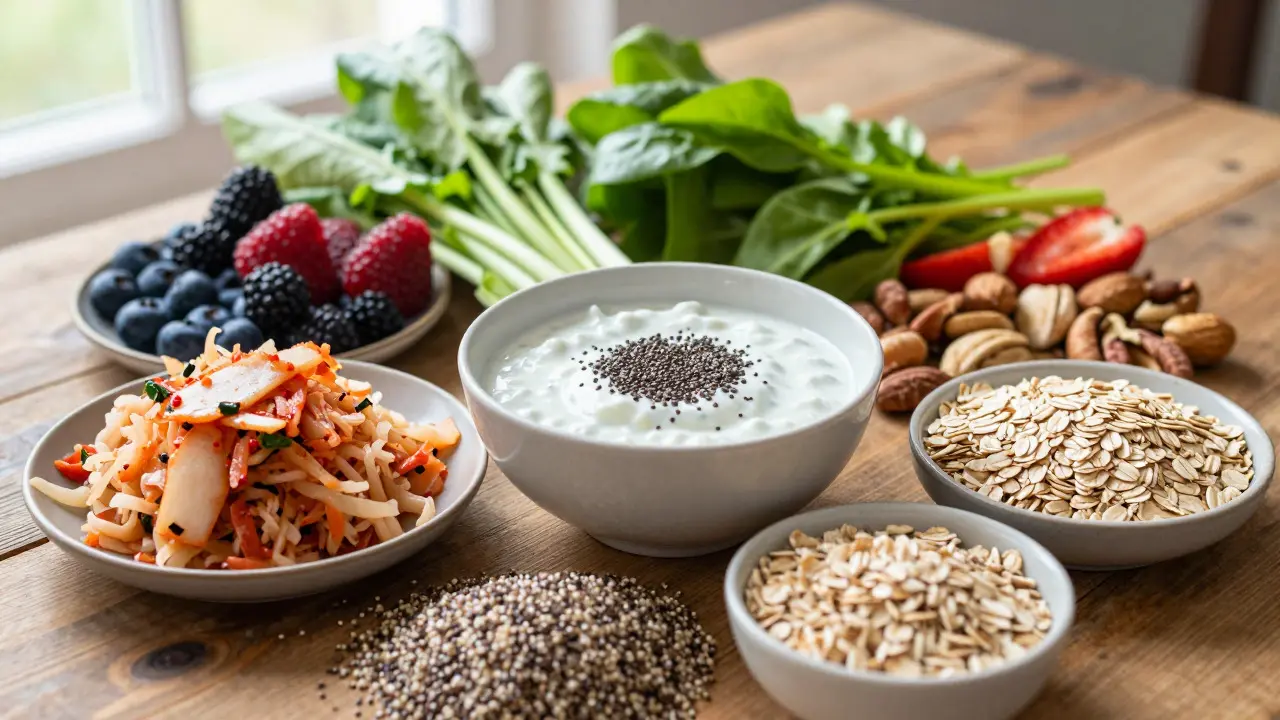
- Eat a Diverse Range of Plants: Aim for 30 different plant-based foods per week. Diversity in plants leads to diversity in bacteria. Include legumes, nuts, seeds, fruits, vegetables, and whole grains.
- Incorporate Fermented Foods: Add small amounts of yogurt, kefir, sauerkraut, or kimchi to your meals. These introduce live beneficial bacteria directly into your system.
- Manage Stress: Chronic stress releases cortisol, which can alter gut permeability. Practice deep breathing or meditation before and after workouts to keep your nervous system regulated.
- Stay Hydrated: Water is essential for digestion and nutrient transport. Dehydration can slow gut motility and cause constipation, disrupting your routine.
- Time Your Meals: Try to finish large meals at least 2-3 hours before intense exercise. This allows your body to focus on performance rather than digestion.
Pay attention to how you feel after eating certain foods. Keep a simple log of your meals and workout performance. If you notice that dairy causes bloating or that high-fat meals slow you down, adjust accordingly. Personal experimentation is key because individual microbiomes vary significantly.

Common Myths About Gut Health and Exercise
One common myth is that probiotics are a magic bullet. While they can help, they are not a substitute for a healthy diet. Probiotics are temporary guests; they don’t necessarily colonize your gut permanently unless supported by prebiotic fibers. Another myth is that you need to avoid all carbs before a workout. In reality, complex carbohydrates are fuel. The issue isn’t the carb itself, but whether your gut can handle the volume and type of fiber at that specific moment.
Also, don’t ignore the mental aspect. The gut-brain axis is real. A healthy gut produces neurotransmitters like serotonin, about 90% of which is manufactured in the digestive tract. This connection explains why gut discomfort can lead to anxiety or lack of motivation. By caring for your gut, you’re also supporting your mental resilience during tough training blocks.
Monitoring Progress and Adjusting
How do you know if your gut health is improving? Look for signs beyond just the bathroom. Notice if your energy levels remain stable throughout the day, if your recovery time between sessions decreases, or if you feel less bloated after meals. Some athletes track their resting heart rate; a lower resting heart rate can indicate better overall physiological efficiency, including gut health.
If you’ve been struggling with persistent gastrointestinal issues despite lifestyle changes, consider consulting a gastroenterologist or a sports dietitian. They can help identify specific intolerances or underlying conditions like irritable bowel syndrome (IBS) that might be hindering your performance. There is no shame in seeking professional help; it’s part of being a thorough athlete.
Your gut is not just a passive tube for processing food. It is an active organ that communicates with every other system in your body. By treating it with respect and care, you unlock a hidden reservoir of potential. Better digestion means better fuel, better recovery, and ultimately, better performance. Start small, stay consistent, and let your gut be the foundation of your fitness journey.
Can gut health really improve my speed?
Yes, indirectly. A healthy gut ensures efficient nutrient absorption and reduces inflammation, which allows your muscles to function at peak capacity. Less energy spent on digestion and immune defense means more energy available for movement and speed.
What should I eat before a workout to support my gut?
Choose easily digestible carbohydrates like bananas, rice cakes, or oats. Avoid high-fiber or high-fat foods immediately before exercise, as they can slow digestion and cause discomfort. Eat 2-3 hours prior to allow time for processing.
Do probiotics work for athletes?
Probiotics can be helpful, especially if you have experienced gut distress during training. However, they work best when combined with a diet rich in prebiotic fibers. Consult a healthcare provider to determine if they are suitable for your specific needs.
How does stress affect my gut and performance?
Stress triggers the release of cortisol, which can increase gut permeability and alter bacterial balance. This can lead to inflammation and digestive issues. Managing stress through relaxation techniques helps maintain gut integrity and supports better recovery.
Is it okay to train on an empty stomach?
It depends on the intensity and duration of your workout. For light sessions, fasting may be fine. For intense or long-duration exercises, having some fuel in your system prevents hypoglycemia and supports gut function by ensuring adequate blood flow to the digestive organs.