
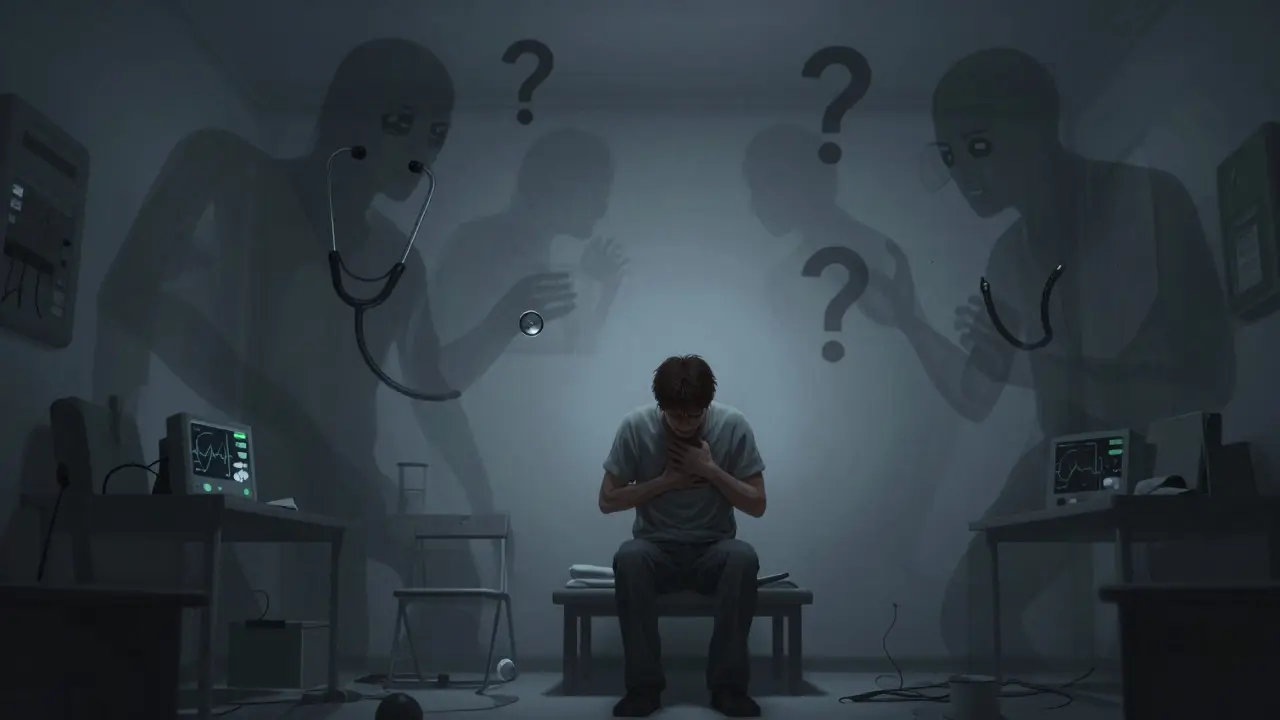
Ever checked your pulse after reading a scary medical headline? Maybe you Googled that weird rash on your arm and convinced yourself it was something life-threatening. If this sounds familiar, you aren’t just being cautious. You might be dealing with health anxiety, a condition where fear of illness becomes the illness itself.
We live in an age of information overload. With a smartphone in our pockets, we have instant access to every medical database ever created. But for some people, this accessibility turns into a trap. The link between health anxiety and broader mental health struggles is deep, complex, and often misunderstood. It’s not just about worrying; it’s a cycle that can paralyze your daily life.
What Exactly Is Health Anxiety?
Let’s clear up a common misconception first. Health anxiety isn’t the same as having a serious medical condition. In fact, most people with severe health anxiety are physically healthy. The problem lies in how they interpret normal bodily sensations.
Illness anxiety disorder (formerly known as hypochondria) is characterized by an excessive preoccupation with having or acquiring a serious illness. Somatic symptoms-physical feelings like fatigue, heart palpitations, or mild pain-are either absent or only mildly present. Yet, the level of anxiety about these symptoms is high and persistent.
Consider Sarah, a graphic designer from Canberra. She feels a slight flutter in her chest during a stressful deadline. Instead of attributing it to caffeine or stress, she spirals. She checks her blood pressure three times an hour. She visits the ER twice a month. Her doctors find nothing wrong, but the relief lasts only until the next minor ache appears. This is the core of the disorder: reassurance provides temporary relief, but the doubt always returns.
The Vicious Cycle of Symptoms and Fear
Why does this happen? It’s all about interpretation. Your body sends thousands of signals every day. Most of us filter them out automatically. A stomach gurgle is hunger. A headache is dehydration. For someone with health anxiety, these signals are red flags.
This creates a feedback loop:
- Hypervigilance: You constantly scan your body for changes.
- Catastrophizing: You interpret benign sensations as signs of catastrophe.
- Reassurance Seeking: You check symptoms, Google diagnoses, or visit doctors.
- Temporary Relief: You feel better when told you’re fine.
- Doubt Returns: The fear comes back stronger because the underlying anxiety wasn’t addressed.
This cycle reinforces the belief that danger is imminent. Over time, the brain becomes wired to detect threat in neutral situations. It’s a survival mechanism gone haywire.
How Health Anxiety Impacts Overall Mental Health
Health anxiety rarely exists in a vacuum. It tends to co-occur with other mental health conditions, creating a tangled web of distress. Understanding these connections is crucial for effective treatment.
| Mental Health Condition | Connection to Health Anxiety |
|---|---|
| Generalized Anxiety Disorder (GAD) | Chronic worry about multiple aspects of life, including health. |
| Depression | Fear of illness leads to isolation and hopelessness. |
| Obsessive-Compulsive Disorder (OCD) | Intrusive thoughts about disease and compulsive checking behaviors. |
| Panic Disorder | Panic attacks mimic heart attack symptoms, fueling health fears. |
| PTSD | Past trauma involving illness or loss heightens sensitivity to bodily cues. |
For instance, if you have panic disorder, the physical surge of adrenaline during an attack feels terrifying. You might think, “I’m having a heart attack.” This misinterpretation fuels both the panic and the health anxiety. Similarly, depression can sap your energy, making you more aware of physical fatigue, which then triggers health worries.

The Role of Digital Health and Cyberchondria
In 2026, the internet is both a blessing and a curse for those with health concerns. Cyberchondria refers to the escalation of health anxiety through online searching.
Algorithms are designed to keep you engaged. If you search for “headache causes,” the results often highlight rare, severe conditions because they generate clicks. This confirmation bias traps you in a loop of worst-case scenarios. You read one article about brain tumors, then another about meningitis. Suddenly, your tension headache feels like a ticking time bomb.
Social media amplifies this further. Health influencers share personal stories that resonate emotionally but lack clinical context. While their experiences are valid, they don’t represent statistical probability. Comparing your internal sensations to viral posts distorts your risk assessment.
Breaking the Cycle: Evidence-Based Treatments
The good news? Health anxiety is highly treatable. The goal isn’t to eliminate all worry-that’s impossible. The goal is to reduce the impact of worry on your life.
Cognitive Behavioral Therapy (CBT) is the gold standard for treating health anxiety. CBT helps you identify distorted thoughts (“This lump means cancer”) and replace them with balanced ones (“Most lumps are benign, and I’ll get it checked”). It also involves exposure exercises, where you gradually stop checking behaviors without seeking immediate reassurance.
Here’s how CBT works in practice:
- Identify Triggers: Notice what sets off the anxiety (e.g., a cough).
- Challenge Thoughts: Ask, “What evidence do I have? What’s a more likely explanation?”
- Behavioral Experiments: Delay checking your pulse for 10 minutes. Observe what happens.
- Reduce Reassurance Seeking: Limit doctor visits to scheduled appointments only.
Medication can also help. Selective serotonin reuptake inhibitors (SSRIs) are often prescribed to lower overall anxiety levels, making it easier to engage in therapy. However, medication alone rarely solves the root cognitive patterns.
Lifestyle Strategies for Managing Health Anxiety
Therapy is powerful, but daily habits matter too. Small changes can disrupt the anxiety cycle.
- Limit Internet Searches: Set a strict rule: no medical Googling after 8 PM. Use trusted sources like Mayo Clinic or NHS instead of forums.
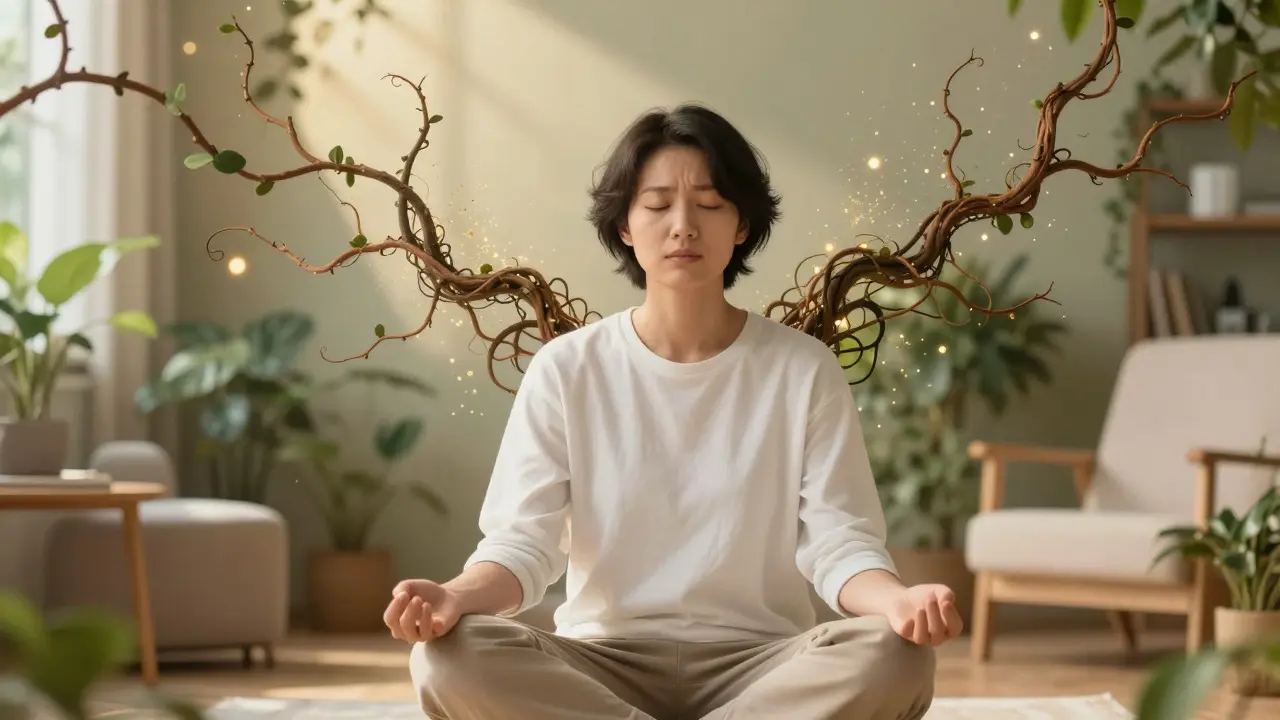
- Practice Mindfulness: Meditation helps you observe bodily sensations without judgment. You learn to say, “I notice my heart beating fast,” rather than “My heart is failing.”
- Regular Exercise: Physical activity reduces baseline anxiety and improves sleep, which boosts emotional resilience.
- Connect Socially: Isolation fuels rumination. Talk to friends about non-health topics to distract your mind.
Remember, consistency is key. One mindful moment won’t cure years of conditioning, but hundreds will.
When to Seek Professional Help
Not all health worries require therapy. Occasional concern is normal. But consider professional support if:
- You spend more than an hour a day thinking about your health.
- You avoid activities due to fear of getting sick (e.g., skipping flights).
- Your relationships suffer because of constant reassurance-seeking.
- You’ve had multiple negative test results but still feel unwell.
A mental health professional can provide a tailored plan. In Australia, you can access services through Medicare rebates for psychologists or via private insurance. Don’t wait until it controls your life.
Is health anxiety the same as hypochondria?
Yes, essentially. "Hypochondria" is the older term, while "illness anxiety disorder" is the current clinical diagnosis in the DSM-5. Both describe excessive fear of having a serious illness despite medical reassurance.
Can health anxiety cause physical symptoms?
Absolutely. Chronic anxiety triggers the fight-or-flight response, leading to real physical effects like muscle tension, headaches, digestive issues, and rapid heartbeat. These symptoms then fuel more anxiety, creating a loop.
How long does it take to overcome health anxiety?
There’s no fixed timeline. With consistent CBT, many people see significant improvement in 12-16 weeks. However, managing health anxiety is often an ongoing process of maintaining healthy coping strategies.
Should I stop seeing my doctor?
No. Regular check-ups are important. The goal is to reduce *excessive* visiting driven by panic. Work with your GP to create a sensible schedule for screenings and tests based on actual risk factors, not fear.
Does mindfulness really help with health anxiety?
Yes. Mindfulness teaches you to detach from automatic reactions. By observing bodily sensations without catastrophizing, you break the link between feeling a symptom and fearing disaster. Studies show it reduces anxiety severity over time.