
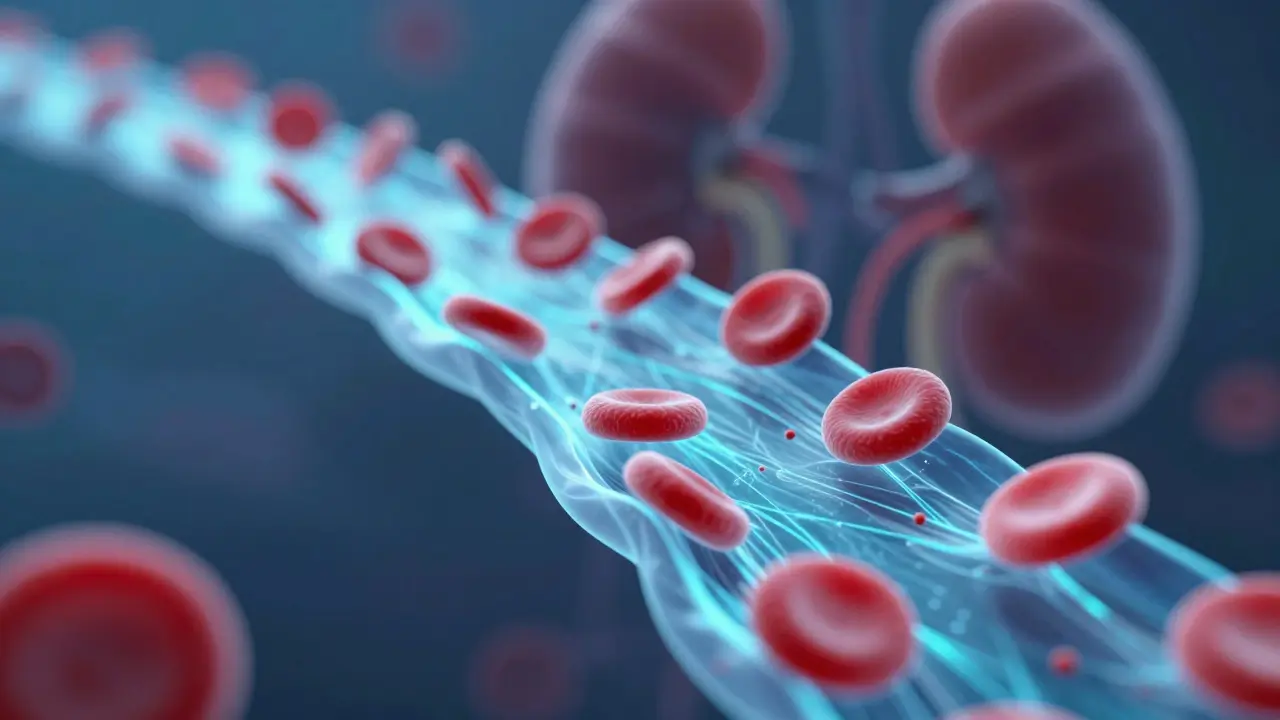
You often hear that you need eight glasses of water a day, but have you stopped to ask if that number actually matters for you? We tend to drink only when our throat feels parched, but by then, hydration levels have already dipped low enough to impact physical performance. Water isn't just a thirst-quencher; it is the transport system for almost every biological process in your body. Whether you are trying to clear up foggy thinking, improve your energy levels, or protect your kidneys from long-term stress, understanding the mechanics of fluid intake changes how you approach daily habits.
The Biological Role of Water in Organ Function
Drinking water serves as the primary medium for chemical reactions within your cells. Think of your bloodstream as a river system. If the river runs dry, sediment builds up, and debris cannot flow away. This is exactly what happens with insufficient fluid intake. Your body relies on water to regulate temperature, lubricate joints, and cushion sensitive tissues like the spinal cord. Without adequate volume, the blood thickens, making the heart work harder to pump oxygen around your frame.
Your kidneys play a massive role in this filtration system. They act as the body’s waste management unit, filtering excess acids, toxins, and salts from your blood so they can be excreted as urine. When fluid intake drops, the kidneys struggle to filter efficiently. Over time, this lack of support increases the risk of urinary tract infections and kidney stones. Chronic dehydration forces these organs to concentrate urine, which allows minerals to clump together into painful stones. By maintaining steady water consumption, you keep the flow moving and reduce the concentration of minerals that cause these blockages.
Cognitive Performance and Mood Regulation
Mind clarity is often the first casualty of poor hydration. It seems counterintuitive since we don't usually feel thirsty when our brain function starts declining, but the math is simple. Your brain is roughly 75% water. Even a slight drop in moisture levels-around two percent-can significantly impair concentration, memory, and reaction times. Studies show that mild dehydration can lead to feelings of anxiety and irritability.
- Mood stability: Proper fluid balance helps neurotransmitters function correctly.
- Fatigue reduction: Water helps maintain blood sugar levels to prevent crashes.
- Focus enhancement: Adequate hydration improves attention span during complex tasks.
Headaches are another telltale sign. Dehydration triggers headaches because the brain temporarily contracts slightly, pulling away from the skull due to lack of fluid. Drinking a glass or two can often alleviate a headache caused purely by thirst without needing medication. While caffeine has its place, water remains superior for resetting the body's internal chemistry quickly.
Metabolism and Weight Management
Managing weight often comes down to simple energy balance, but water plays a surprisingly active role in metabolic rate. There is a concept known as diet-induced thermogenesis. Drinking cold water forces your body to expend energy to warm the fluid to body temperature. While this calorie burn is small per glass, over months and years, it contributes to maintenance. More importantly, drinking water before meals acts as an appetite suppressant.
Sometimes, the brain confuses thirst signals with hunger signals. Reaching for a snack when you are actually dry leads to unnecessary calorie consumption. Swapping high-sugar beverages like soda or fruit juices for plain water creates an immediate deficit. These sugary drinks spike insulin levels rapidly, telling your body to store fat. Plain water avoids this spike entirely. Furthermore, water supports lipolysis, the breakdown of fats, ensuring your metabolism stays efficient when processing food.
| Beverage Type | Hydration Efficiency | Caloric Impact | Best Used For |
|---|---|---|---|
| Plain Water | 100% | Zero calories | Daily maintenance, rehydration |
| Milk | High retention | Moderate calories | Nutrient absorption, protein recovery |
| Sports Drinks | Variable | High sugar | Intense exercise over 60 minutes |
| Coffee | Mild diuretic | Low to zero (black) | Mental alertness, moderate caffeine needs |
| Fruit Juice | Moderate | High sugar | Vitamin intake (limit quantity) |

Skin Health and Structural Integrity
While drinking water alone won't erase wrinkles, it fundamentally affects skin texture and resilience. Skin is the largest organ in your body, and it reflects internal hydration status immediately. When you are well-hydrated, skin appears plumper, more elastic, and retains less oiliness because pores aren't clogged by excessive sebum production attempting to compensate for dryness. Severe dehydration results in dry, itchy patches that make you more susceptible to breakouts and premature aging.
Your connective tissues also rely on water to stay strong. Cartilage, found in joints, absorbs shock and prevents bone-on-bone friction. Without enough fluid, this cartilage becomes brittle. You might notice stiff mornings or minor aches when starting your day, especially during dry Canberra winters. Consistent intake keeps the synovial fluid inside joints lubricated, supporting mobility and reducing the wear associated with age or repetitive movement.
Recognizing True Dehydration Signals
We often rely on thirst as our gauge, but by the time thirst hits, you are already behind schedule. Better indicators involve checking your output. Urine color is one of the most reliable tools available. Pale yellow or straw-colored urine indicates healthy fluid balance. Darker yellow or amber urine means you need to increase your intake immediately. In extreme cases, infrequent urination combined with darker shades suggests significant fluid loss requiring immediate correction.
Other subtle signs include dry mouth, constipation, and unexplained fatigue. If you find yourself constantly tired despite sleeping well, check your water intake first. Exercise intensity compounds this issue. Sweating removes electrolytes alongside water, so simply drinking tap water might dilute remaining salts if you lose a lot of fluid. In those cases, balancing intake with natural sources of potassium and sodium helps maintain homeostasis. Listening to your body requires training, but once you establish a rhythm of sipping throughout the day, your systems stabilize naturally.
Tailoring Intake to Your Lifestyle
The standard advice of "eight glasses" ignores individual variance. A person living in a hot climate, exercising intensely, or recovering from illness needs far more than someone sedentary in a cool environment. Your own body composition dictates baseline needs too. Muscle tissue holds more water than fat, meaning leaner individuals generally require different ratios. Pregnancy and breastfeeding drastically alter requirements as well.
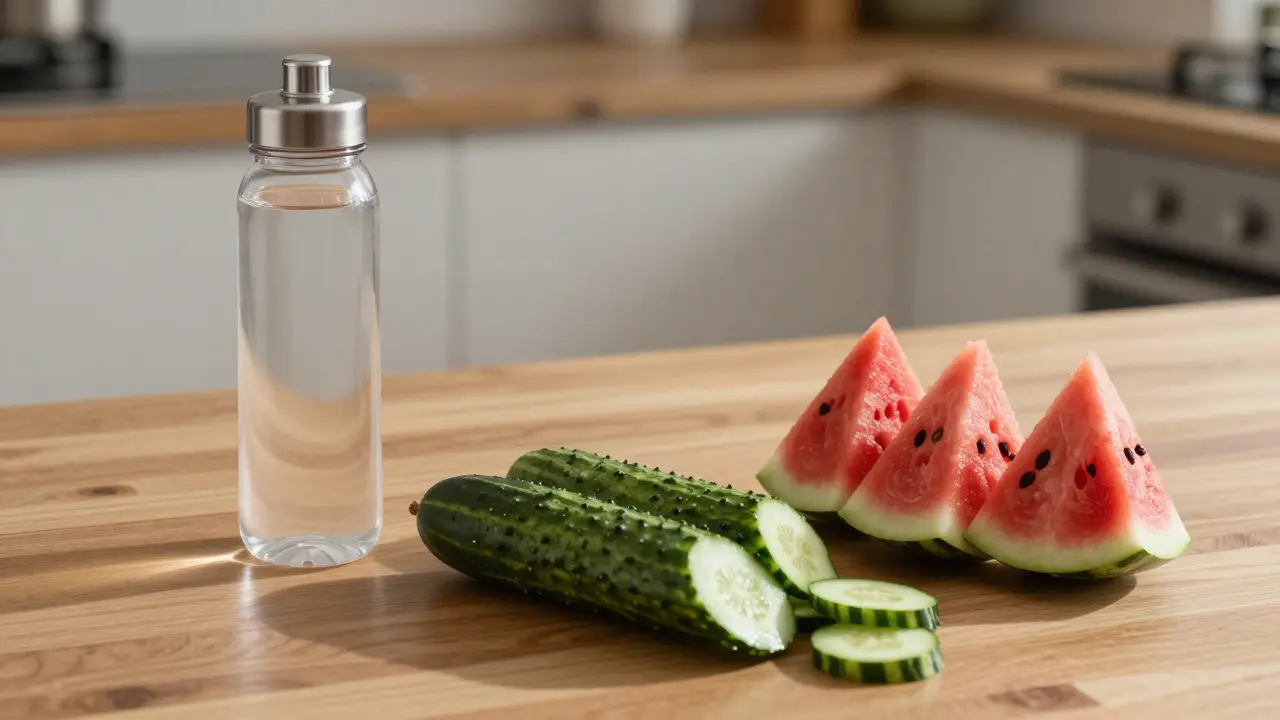
To find your personal sweet spot, start with half your body weight in ounces as a minimum baseline. Then adjust based on activity. If you exercise, add extra cups for every 20-30 minutes of sweat-inducing movement. Keep a bottle visible on your desk or bedside table to encourage habitual consumption. Using a marked bottle helps track progress without needing constant calculation. The goal is consistency, forcing a sudden large intake once a week does not replace daily hydration needs.
Frequently Asked Questions
Can I drink too much water?
Yes, it is possible to consume too much water, leading to hyponatremia. This condition occurs when electrolyte levels in the blood become dangerously diluted. However, for most people with healthy kidneys, reaching this limit is difficult unless engaging in endurance events where water intake exceeds sweating losses.
Does flavored water count toward my daily goal?
Generally, yes, as long as it doesn't contain significant sugar or artificial sweeteners that disrupt blood glucose levels. Sparkling water is fine, but avoid drinks labeled as 'juice' disguised as water, as they often carry high calorie loads that negate weight management benefits.
Most unsweetened herbal teas and sparkling water count fully. Sugar-laden options count as snacks rather than hydration sources due to their metabolic impact.
Is cold water better than warm water?
Cold water may provide a slight boost in calorie burn as your body warms it up. Warm water can aid digestion and relaxation. Ultimately, the temperature matters less than the total volume consumed. Choose whichever encourages you to drink more consistently.
There is no significant medical difference between cold or warm water for general hydration. However, warm water can help open nasal passages during congestion, while cold water cools the body faster after exercise.
Do fruits and vegetables provide enough water?
They contribute significantly. Foods like watermelon, cucumber, and spinach have very high water content. About 20% of our daily fluid needs typically come from food, so eating a high-fiber diet naturally boosts hydration, but plain water remains necessary to cover the rest.
While foods like melon and lettuce provide fluids, relying solely on them makes tracking intake hard. Supplementing with direct water intake ensures you reach optimal kidney and brain health thresholds.
When should I stop drinking water at night?
Stopping intake about an hour or two before sleep reduces the likelihood of nighttime bathroom trips disrupting your rest cycle. Quality sleep is essential for recovery, so balancing hydration goals with sleep hygiene helps optimize overall health outcomes.
Limit large quantities right before bed. Sip small amounts if thirsty to avoid waking up frequently to pee, which fragments sleep cycles and impacts mental restoration.