
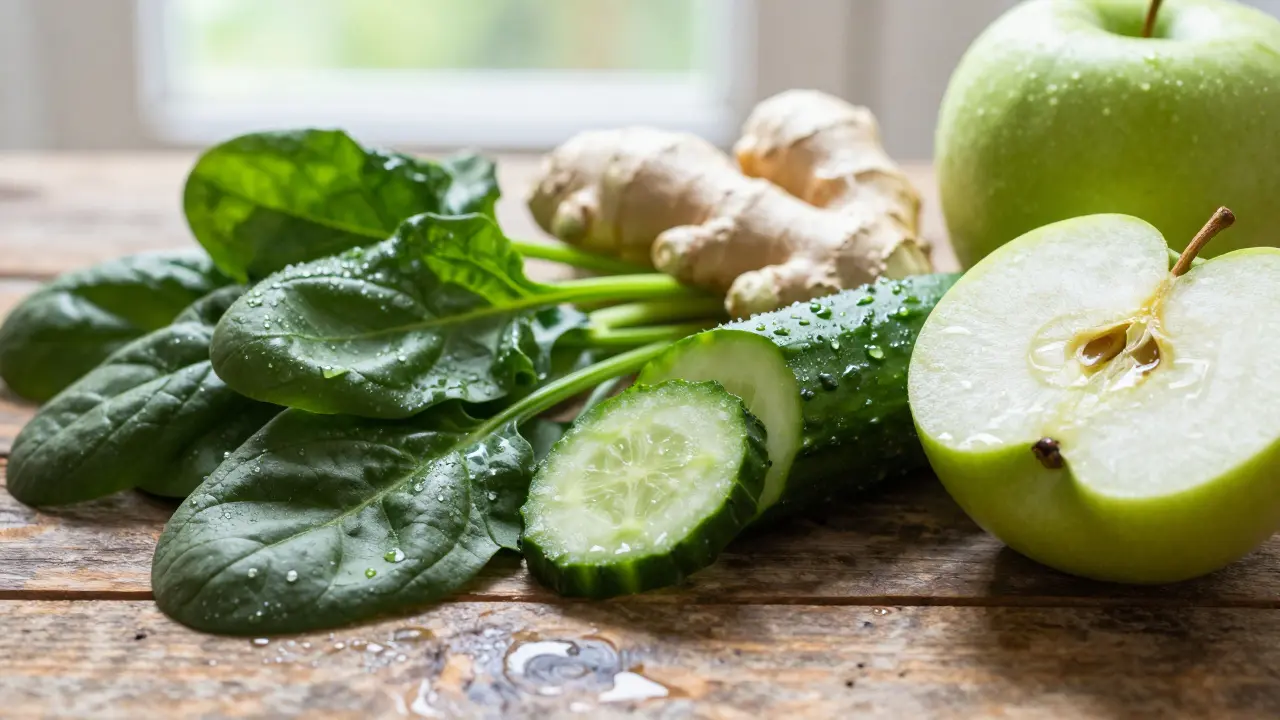
That tightness in your chest. The shallow breathing. The feeling that your brain is running a marathon while your body sits still. We all know it. Stress isn't just a mood; it's a physiological event that floods your system with hormones like cortisol and adrenaline. While therapy and meditation are essential tools, what you put into your body plays a massive role in how you handle pressure. Enter the concept of the "health juice"-not just any fruit blend, but a targeted liquid nutrition strategy designed to calm the nervous system.
You might think juice is just sugar water. If you grab a store-bought orange juice, you're right. But a specifically formulated health juice can be a powerful antidote for stress. By combining ingredients rich in magnesium, B-vitamins, and adaptogens, you can physically lower your stress response. This isn't about magic potions. It's about biochemistry. When you lack certain nutrients, your body struggles to regulate emotions. When you flood it with the right compounds, you give your brain the fuel it needs to stay cool under fire.
The Biology of Stress and Why Nutrition Matters
To understand why a specific juice helps, we have to look at what happens during a stress spike. Your hypothalamus signals your adrenal glands to release cortisol. This is the "fight or flight" mechanism. In small doses, it keeps us alert. In chronic doses, it destroys your sleep, spikes your blood sugar, and makes you anxious. The problem? Many modern diets are deficient in the very minerals that help metabolize these stress hormones.
Magnesium is often called the "relaxation mineral." A study published in the journal *Nutrients* found that low magnesium levels are directly linked to increased anxiety and depression symptoms. Most people don't get enough magnesium from their diet because soil depletion has reduced mineral content in crops. Leafy greens are great, but they take time to chew and digest. Juicing extracts the nutrients without the fiber bulk, allowing for rapid absorption. This means the magnesium hits your bloodstream faster, helping to block excitatory neurotransmitters that keep you on edge.
Then there are B-vitamins, particularly Vitamin B6, B9 (folate), and B12. These are crucial for producing serotonin and dopamine-the chemicals that make you feel good. If you are stressed, you burn through B-vitamins quickly. Replenishing them via a nutrient-dense juice supports your brain's ability to produce calming neurotransmitters. It’s not a sedative; it’s a support system for your mental chemistry.
Key Ingredients for an Anti-Stress Health Juice
Not every ingredient belongs in a stress-relief drink. In fact, some common juicing staples can make stress worse. High-sugar fruits like grapes or mangoes can cause a blood sugar spike followed by a crash, which mimics anxiety symptoms. Instead, focus on these powerhouse components:
- Leafy Greens (Spinach, Kale): Packed with magnesium and iron. Iron deficiency can lead to fatigue and irritability, worsening stress perception.
- Ginger Root: Contains gingerol, which has anti-inflammatory properties. Chronic inflammation is linked to higher cortisol levels. Ginger also aids digestion, reducing bloating that can feel like physical anxiety.
- Lemon and Lime: Citrus oils contain limonene, which has been shown in animal studies to have anxiolytic (anxiety-reducing) effects. Plus, the scent alone triggers the limbic system to relax.
- Cucumber: Hydrating and calming. Dehydration increases cortisol production. Cucumber provides water and silica, supporting skin health which often suffers during high stress.
- Turmeric: Contains curcumin, a potent anti-inflammatory that crosses the blood-brain barrier. Research suggests curcumin may boost brain-derived neurotrophic factor (BDNF), aiding in neuron growth and resilience against stress.
Avoid caffeine-heavy additions like excessive green tea extract if you are already jittery. Stick to whole food sources. The goal is balance, not stimulation.
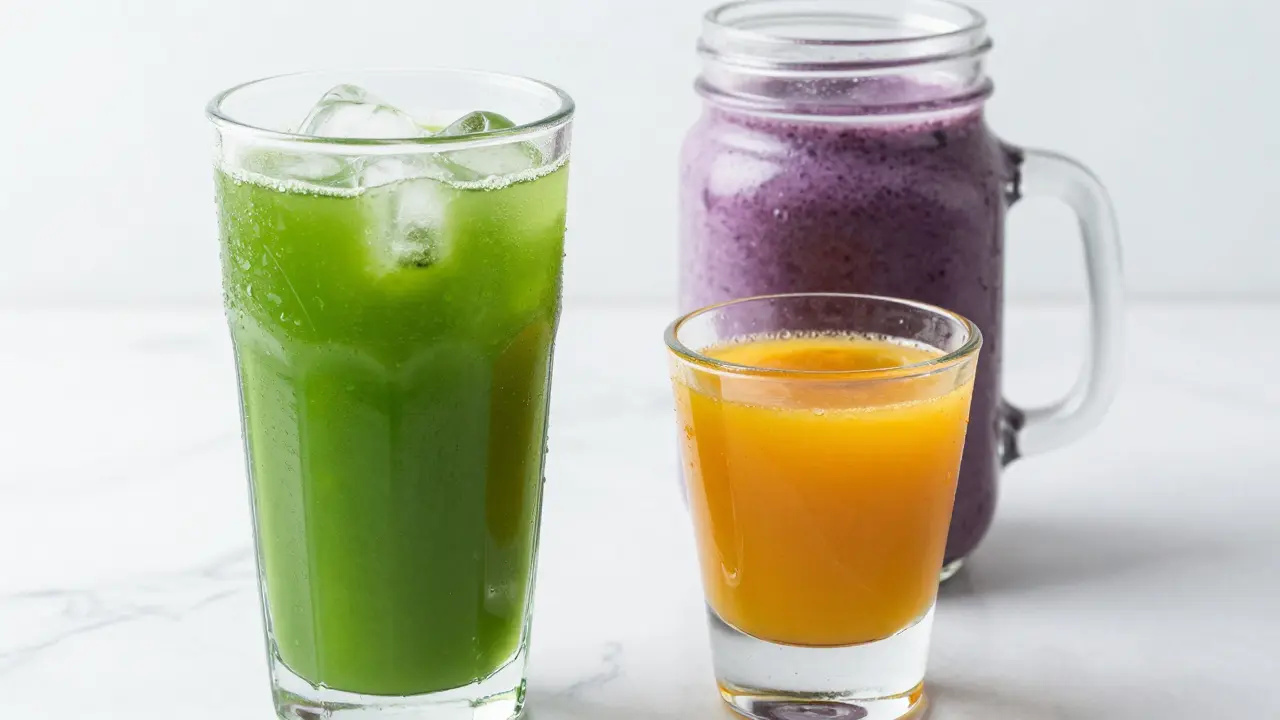
Top 3 Anti-Stress Health Juice Recipes
Here are three distinct recipes tailored to different types of stress responses. You can make these using a centrifugal juicer, masticating juicer, or even a high-speed blender (just strain the pulp if you prefer a smoother texture).
1. The Magnesium Calm Green Juice
This recipe is heavy on leafy greens to maximize magnesium intake. It’s earthy, refreshing, and perfect for morning anxiety.
- 2 cups fresh spinach leaves
- 1 medium cucumber
- 1/2 inch fresh ginger root
- 1 green apple (for mild sweetness)
- Juice of 1/2 lemon
Wash the spinach thoroughly. Cut the cucumber and apple into chunks. Peel the ginger. Run everything through your juicer. Drink immediately to preserve enzymes. The ginger adds a kick that wakes up your palate, while the spinach does the heavy lifting for relaxation.
2. The Cortisol-Crushing Citrus Turmeric Shot
If you need a quick pick-me-up without the jitters, this shot combines immune-boosting citrus with anti-inflammatory turmeric. It’s best taken mid-afternoon when energy slumps often trigger stress.
- 2 large oranges (peeled)
- 1 inch fresh turmeric root
- 1/4 teaspoon black pepper (crucial for turmeric absorption)
- 1/2 inch fresh ginger
Juice the oranges, ginger, and turmeric together. Stir in the black pepper. Black pepper contains piperine, which increases the bioavailability of curcumin by up to 2000%. Without it, most of the turmeric passes through you unused. This shot is potent, so start with two ounces.
3. The Adaptogenic Berry Smoothie-Juice Hybrid
Sometimes you need sustained energy rather than instant relief. This hybrid uses berries for antioxidants and includes ashwagandha, an adaptogen known to lower cortisol.
- 1 cup frozen blueberries
- 1/2 banana (for creaminess and potassium)
- 1 cup unsweetened almond milk
- 1 teaspoon ashwagandha powder
- 1 tablespoon chia seeds
Blend until smooth. Unlike clear juices, this retains fiber, which slows sugar absorption and keeps your mood stable. Ashwagandha has been studied extensively; a 2019 clinical trial showed significant reductions in perceived stress and cortisol levels in participants taking ashwagandha extract daily.
| Ingredient | Primary Benefit | Key Nutrient | Best For |
|---|---|---|---|
| Spinach | Nervous system regulation | Magnesium | Morning anxiety |
| Ginger | Anti-inflammatory & Digestion | Gingerol | Physical tension/bloating |
| Turmeric | Brain protection & Mood | Curcumin | Chronic stress/inflammation |
| Lemon | Limbic system calming | Vitamin C/Limonene | Immediate sensory relief |
| Ashwagandha | Cortisol reduction | Withanolides | Long-term stress management |
Pitfalls to Avoid When Making Stress Relief Juices
Even with the right ingredients, you can undermine the benefits if you aren't careful. Here are the most common mistakes I see people make.
The Sugar Spike Trap: Adding too many sweet fruits like carrots, beets, or apples can backfire. Blood sugar instability mimics anxiety. If your heart races after drinking a "healthy" juice, check the fruit-to-vegetable ratio. Aim for at least 70% vegetables and 30% fruit. Use fruit only to mask the bitterness of greens, not as the base.
Oxidation Loss: Enzymes and vitamins degrade rapidly once exposed to air. Never make juice the night before. Prepare it fresh and drink it within 15 minutes. If you must prep ahead, store ingredients in separate airtight containers and juice right before consumption.
Igoring Hydration: Juice is not water. While it contains water, it also contains concentrated sugars and acids. Always follow your juice with a glass of plain water to protect your tooth enamel and maintain proper hydration levels. Dehydrated bodies produce more cortisol.
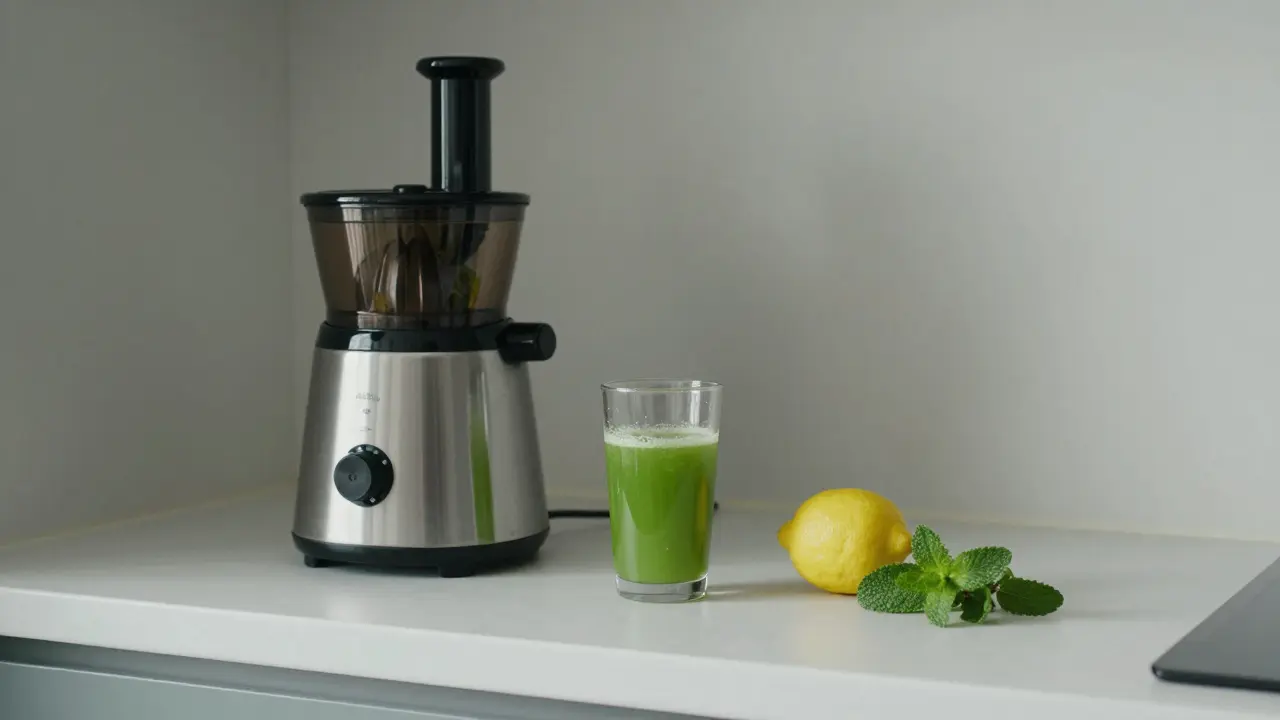
Integrating Health Juice Into Your Daily Routine
Consistency beats intensity. Drinking one amazing juice once a month won't change your stress baseline. You need to integrate this into your daily rhythm. Start with one serving per day. Morning is ideal because it sets a nutritional foundation for the day. However, if you have a sensitive stomach, avoid acidic juices on an empty stomach. In that case, try the berry smoothie hybrid after breakfast.
Pair your juice habit with other stress-reduction techniques. The juice provides the chemical building blocks; mindfulness practices teach your brain how to use them. Think of the juice as upgrading your hardware, and meditation as optimizing your software. Both are necessary for peak performance.
Also, consider the source of your produce. Organic is preferred for the "Dirty Dozen" list of fruits and vegetables (like strawberries and spinach) because pesticide residues can act as endocrine disruptors, potentially worsening hormonal imbalances related to stress. If organic isn't an option, wash conventional produce thoroughly in a baking soda solution to reduce surface chemicals.
When Juice Isn't Enough
It is vital to recognize the limits of dietary intervention. A health juice is a supportive tool, not a cure-all. If you are experiencing severe anxiety, panic attacks, or depression, please consult a healthcare professional. Nutritional deficiencies can exacerbate mental health conditions, but they rarely cause them in isolation. Treat juice as part of a holistic plan that includes sleep hygiene, physical activity, social connection, and professional care when needed.
Your body is resilient. It wants to return to homeostasis. By removing the barriers-like nutrient deficits and inflammation-you allow that natural healing process to occur. The next time you feel the stress rising, reach for the juicer. Give your body the magnesium, the vitamin C, and the calm it craves.
Can I drink stress-relief juice every day?
Yes, daily consumption is beneficial for maintaining nutrient levels like magnesium and vitamin C. However, rotate your ingredients to ensure a diverse nutrient profile and prevent digestive adaptation. Listen to your body; if you experience bloating, reduce the volume or frequency.
Is juicing better than blending for stress relief?
Juicing removes fiber, leading to faster absorption of nutrients, which can provide quicker relief for acute stress. Blending retains fiber, which stabilizes blood sugar and provides sustained energy. For immediate calming effects, juice may be slightly faster acting. For long-term stability, smoothies are excellent.
Does ginger really help with anxiety?
Ginger helps indirectly by reducing systemic inflammation and improving gut health. There is a strong gut-brain axis connection; a healthy gut microbiome produces more serotonin. Additionally, ginger's warming sensation can soothe physical tension associated with stress.
What is the best time of day to drink anti-stress juice?
Morning is generally best to replenish nutrients depleted during sleep and prepare your body for the day's demands. Avoid drinking highly acidic juices right before bed, as this can cause reflux and disrupt sleep quality, which would increase stress.
Can I add supplements to my juice?
You can add powdered supplements like ashwagandha, spirulina, or collagen peptides. However, be cautious with fat-soluble vitamins (A, D, E, K) unless you include a healthy fat source like avocado or flaxseed oil in your drink, otherwise, they won't absorb properly. Always consult your doctor before adding high-dose supplements.