
Getting kids to eat healthy doesn’t have to be a daily battle. If you’ve ever stared at a plate of broccoli while your child pushes it around like it’s a toy, you know the struggle. The truth? Kids don’t reject healthy food because they’re picky-they reject it because it’s boring, confusing, or feels like punishment. The fix isn’t more rules. It’s more fun.
Turn meals into playtime
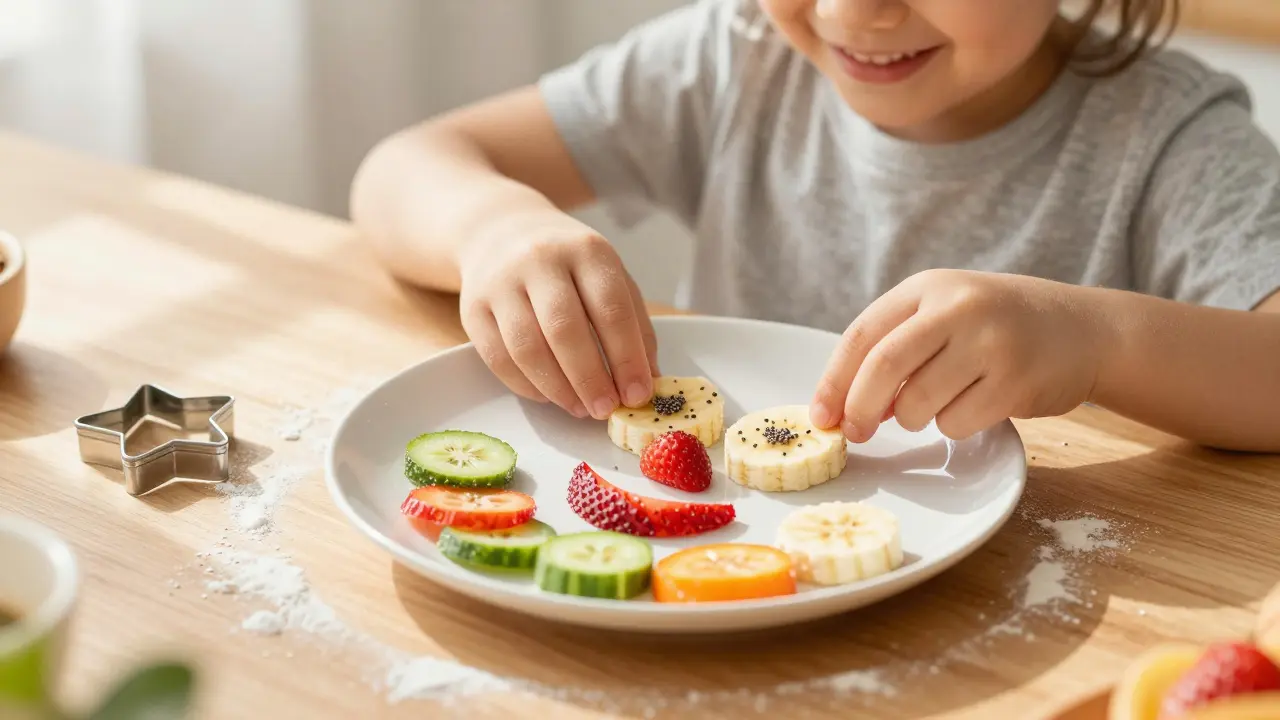
Kids learn through play. So why should eating be any different? A study from the University of North Carolina found that children who helped build their own meals were 50% more likely to try new foods. Start simple: let them assemble their own wraps with whole grain tortillas, shredded carrots, hummus, and grilled chicken strips. Use cookie cutters to make apple slices into stars or cucumbers into circles. Arrange food into faces-banana slices for eyes, a strawberry for a smile, a sprinkle of chia seeds for freckles. Suddenly, dinner isn’t something they’re forced to eat. It’s a project they built.Let them pick the veggies
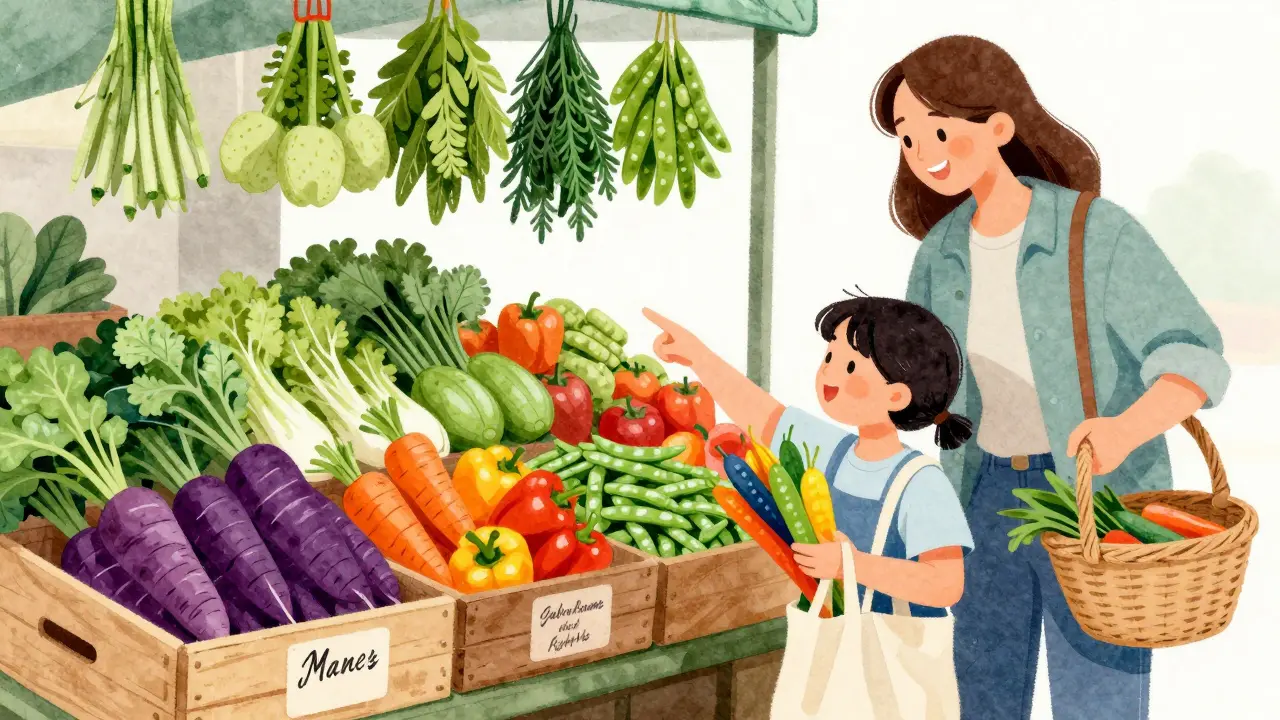
Take your child to the grocery store or farmers market. Don’t tell them what to grab. Ask, “Which one looks like it would win a superhero contest?” Let them choose one new vegetable each week. Maybe it’s purple carrots, baby bell peppers, or snow peas. When kids feel ownership, they care more. One mom in Chicago started a “Veggie of the Week” chart with stickers. Her 6-year-old collected 12 stickers in three months-and ate every single veggie he picked.Sneak in nutrients without the sneaking
You don’t need to hide spinach in brownies. That backfires. Kids smell it. They taste it. They feel tricked. Instead, make healthy swaps that taste just as good. Swap white rice for cauliflower rice in stir-fries. Use mashed black beans instead of ground beef in tacos-they’re higher in fiber and iron, and no one notices. Blend frozen zucchini into smoothies with banana and peanut butter. The sweetness masks the veggie, and the texture is smooth. A 2024 study in the Journal of Pediatric Nutrition showed that kids who ate meals with blended vegetables consumed 30% more fiber without complaining.Make snacks exciting, not afterthoughts
Snacks are where most kids eat half their daily calories. Make them count. Instead of grabbing a bag of chips, try these easy combos:- Apple slices with almond butter and a sprinkle of cinnamon
- Greek yogurt with frozen blueberries and a drizzle of honey
- Whole grain crackers with sliced cheese and cherry tomatoes
- Homemade trail mix: pumpkin seeds, dried cranberries, dark chocolate chips
Get them cooking-even a little
You don’t need a sous chef. Even a 4-year-old can wash berries, tear lettuce, or stir batter. A 7-year-old can measure ingredients or sprinkle toppings. Cooking builds confidence. It also teaches them where food comes from. One dad in Oregon started a “Kitchen Helper” badge system. Each time his daughter helped make dinner, she earned a badge. After three badges, she got to pick the dessert. She chose banana oat muffins. She made them. She ate two.Don’t force it. Just keep offering.
Research from the American Academy of Pediatrics shows it can take 8-15 exposures to a new food before a child accepts it. That means if you serve peas three times a week for five weeks, you’re at 15 tries. Don’t say, “Just try one bite.” Don’t bribe with dessert. Just put it on the table. Let them see you eating it. Let them touch it. Let them smell it. If they ignore it? Fine. It’s still there. Next time, it might be different.Make water the star
Sugary drinks are the biggest source of empty calories in kids’ diets. A single juice box can have 20 grams of sugar-that’s more than a candy bar. Swap soda and juice for sparkling water with a splash of fruit juice, or infuse water with lemon, cucumber, or berries. Use fun straws or colorful cups. One family in Texas started a “Water Challenge”: each day their kids drank water instead of juice, they added a marble to a jar. When the jar was full, they got to pick a family activity-like a picnic or a movie night. They filled it in 12 days.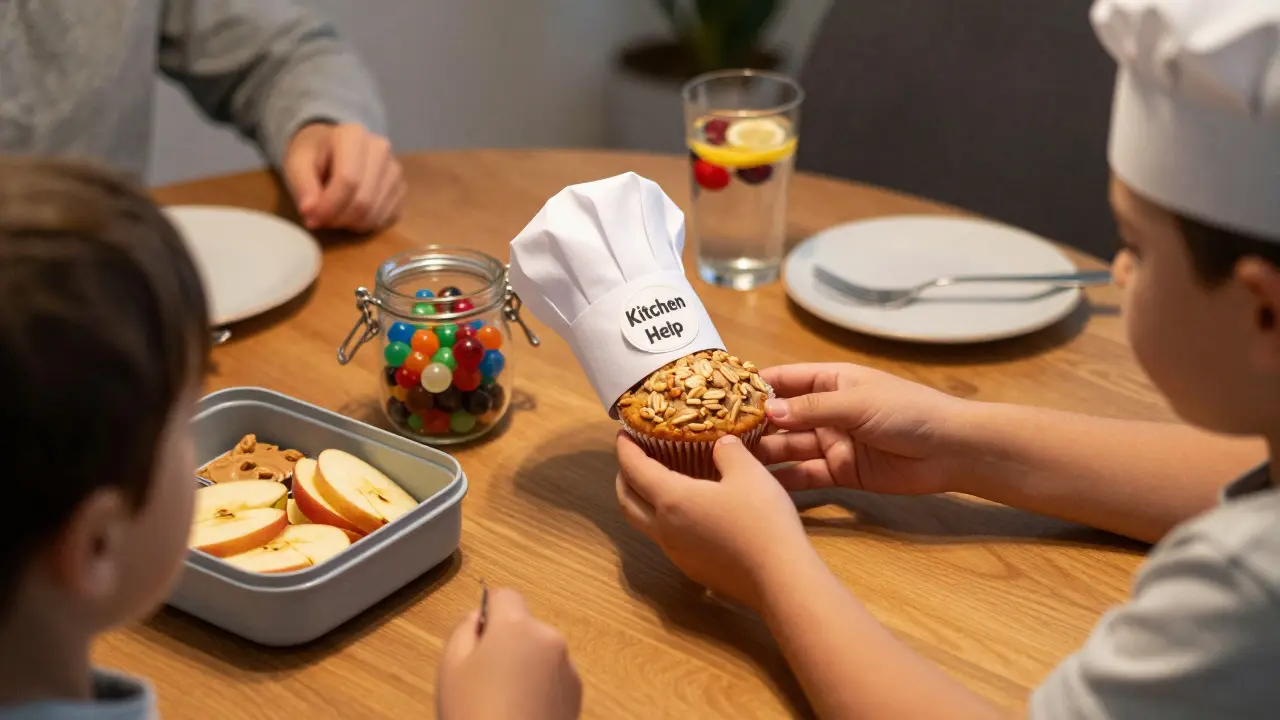
Keep it positive, not perfect
No kid eats perfectly every day. That’s not the goal. The goal is to build habits that last. If your child eats cereal with milk for breakfast, a peanut butter sandwich for lunch, and chicken nuggets for dinner? That’s okay. Add a side of grapes. Offer yogurt after. Celebrate the small wins. The goal isn’t a flawless diet. It’s a kid who doesn’t fear food, who learns to enjoy real flavors, and who grows up knowing what feels good in their body.Make it a family thing
Kids copy what they see. If you’re eating fries while telling them to eat broccoli, they’ll notice. Start small. Eat one healthy meal together every day. Maybe it’s a salad at lunch or roasted sweet potatoes with dinner. Talk about how the food tastes. “This carrot is crunchy and sweet, isn’t it?” Don’t lecture. Just share. Over time, they’ll start asking for the same things.It’s not about being healthy-it’s about feeling good
Instead of saying, “This is good for you,” say, “This helps you run faster,” or “This gives you energy for your soccer game,” or “This helps you think clearly in math class.” Kids respond to how food makes them feel-not abstract ideas about vitamins. When they notice they have more energy after eating an apple instead of candy, they’ll choose the apple next time. That’s real change.What if my child only wants junk food?
Start by making healthier versions of their favorite foods. Try whole grain pizza with tomato sauce and cheese, baked sweet potato fries instead of regular fries, or homemade chicken nuggets with whole wheat breadcrumbs. Don’t eliminate junk food completely-just reduce it. Offer it less often, not never. Over time, the novelty fades, and better options become the norm.
How do I handle picky eaters?
Picky eating is normal, especially between ages 2 and 6. Don’t make meals a power struggle. Offer choices within limits: “Do you want carrots or peas with dinner?” Keep serving new foods without pressure. Use the “one bite rule” only if it’s playful-not forced. Celebrate curiosity, not consumption. A child who touches a new food is one step closer to eating it.
Are smoothies a good way to get nutrients into kids?
Yes, but keep them balanced. Use whole fruits, not juice. Add protein with Greek yogurt or nut butter. Toss in spinach or avocado-neither changes the taste much. Avoid adding honey or sugar. A good smoothie should taste like a treat but feel like nutrition. Keep portions small-half a cup for toddlers, one cup for older kids.
Should I use rewards for eating healthy foods?
Not for eating. Don’t say, “Eat your broccoli and you get ice cream.” That teaches kids that healthy food is punishment and junk food is the prize. Instead, reward effort or curiosity: “I loved how you tried the new vegetable!” or “You picked out the carrots all by yourself!” Non-food rewards like stickers, extra story time, or a family game night work better and build long-term habits.
What are the most important foods for growing kids?
Focus on whole foods: vegetables, fruits, whole grains, lean proteins, and healthy fats. Dairy or fortified plant-based milk for calcium. Eggs, beans, and lean meats for protein. Avocados, nuts, and olive oil for brain development. Iron-rich foods like lentils and spinach help with focus and energy. You don’t need supplements if they’re eating a variety of real foods.