
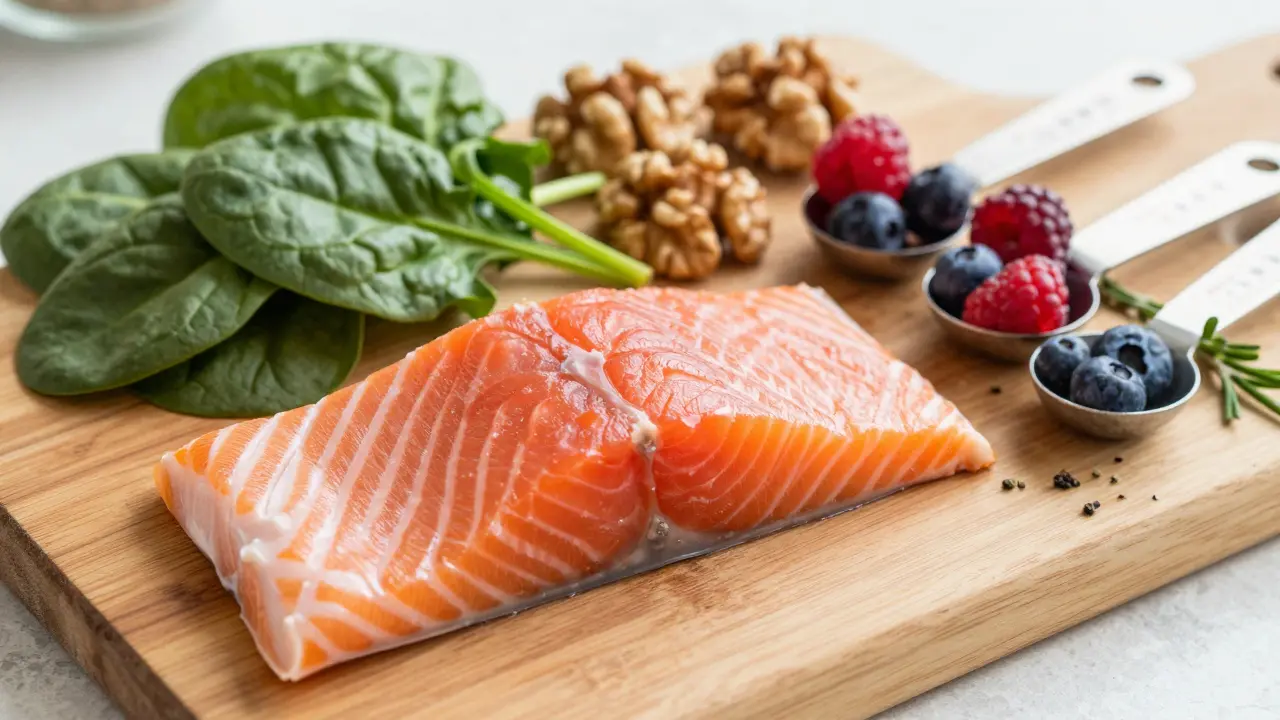
The idea that food acts as medicine is nothing new, yet we still treat our plates like vending machines rather than pharmacies. We hear the phrase "a healthy diet leads to a disease-free life" often, but we need to separate the marketing hype from the medical reality. While no eating plan guarantees zero illness forever, robust evidence shows that what you consume daily drastically alters your risk profile for chronic conditions. By making strategic choices with your meals, you aren't just filling hunger; you are actively repairing tissue, regulating hormones, and managing inflammation.
In modern times, lifestyle-related illnesses are skyrocketing. You walk into any clinic and see cases of heart disease, Type 2 diabetes, and hypertension. These aren't accidents; they are the result of accumulated nutritional deficits and toxicities over decades. The good news is that biology responds powerfully to input quality. You have more control over your long-term health trajectory than most doctors admit. This guide breaks down exactly what constitutes a protective diet, why it works, and how you can build it into your routine without feeling like you're on a punishment regimen.
Defining the Protective Plate
When experts talk about a Healthy Diet , they are rarely talking about counting calories alone. They are referring to the biological quality of the nutrients entering your bloodstream. Think of your body as a high-performance engine. You wouldn't put low-grade octane fuel in a Formula One car and expect it to run perfectly for fifty years. Similarly, human physiology requires premium inputs to maintain function over time. A diet focused on prevention centers on nutrient density rather than volume.
This means prioritizing whole foods. These are foods that look recognizably like what grew in the ground or ran on the land. An apple is a whole food. Apple juice, sugar water, and artificial sweeteners are not. Processing removes beneficial fibers and concentrates sugars and unhealthy fats, which forces your metabolic system to work overtime. The standard advice often cited by the Australian Dietary Guidelines emphasizes consuming a variety of vegetables, fruits, nuts, seeds, legumes, and grains. This diversity ensures you get the full spectrum of vitamins, minerals, and phytonutrients necessary for cellular repair.
Consider the concept of glycemic load. Foods that spike your blood sugar rapidly force insulin to surge. Repeated insulin surges over years lead to insulin resistance, a precursor to Type 2 diabetes. Choosing low-glycemic options like leafy greens, berries, and beans keeps your energy stable and your metabolism clean. It's not about starving yourself of carbs; it's about choosing carbs that carry fiber and micronutrients. For instance, swapping white rice for quinoa or brown rice adds essential nutrients and slows absorption rates, keeping your blood chemistry balanced.
The Inflammation Connection
You might wonder why certain foods cause sickness while others heal. The answer lies largely in inflammation. Inflammation is the body's immune response to injury or infection. Chronic, low-level inflammation happens when this system is constantly triggered by poor diet. We now understand that this silent fire damages arteries, brain cells, and joints, leading to major diseases. Foods rich in antioxidants and anti-inflammatory compounds fight this process.
Omega-3 fatty acids are the stars here. Found in cold-water fish like mackerel, sardines, and salmon, these fats help resolve inflammation naturally. Most modern diets are incredibly high in Omega-6 oils (often processed vegetable oils like soybean or corn oil) and low in Omega-3. Balancing this ratio is crucial for heart health and cognitive function. Adding flaxseeds, walnuts, or chia seeds to your breakfast helps bridge the gap if you aren't eating fish three times a week.
We also cannot ignore the impact of salt. High sodium intake is linked directly to raised blood pressure, which puts strain on the vascular system and kidneys. However, it's not just about skipping the salt shaker. Ultra-processed convenience foods hide massive amounts of sodium. Reading labels is a non-negotiable skill. If the ingredient list includes unrecognizable chemical names or excessive sugar, it's best to leave it off the shelf.
Fiber and the Gut Microbiome
There was a time when fiber was ignored as "bulk," but science now knows it is the primary food source for your gut microbiome. Your gut bacteria produce short-chain fatty acids like butyrate when they ferment fiber. These substances reduce colon cancer risk and regulate metabolism. Without enough fiber, this microbial ecosystem collapses, potentially affecting mood, immunity, and digestion.
To support your Gut Microbiome , aim for at least 30 grams of fiber daily. This is often higher than the recommended minimums, as most people struggle to hit even half of it. Legumes are powerful tools here. A bowl of lentils provides roughly 15 grams of fiber per serving, alongside protein. Vegetables like broccoli, carrots, and sweet potatoes are also dense in fiber. Increasing fiber takes time; do it gradually to avoid gas and bloating, as your microbiome adapts to the new fuel source.
Ultra-Processed Foods and Risk
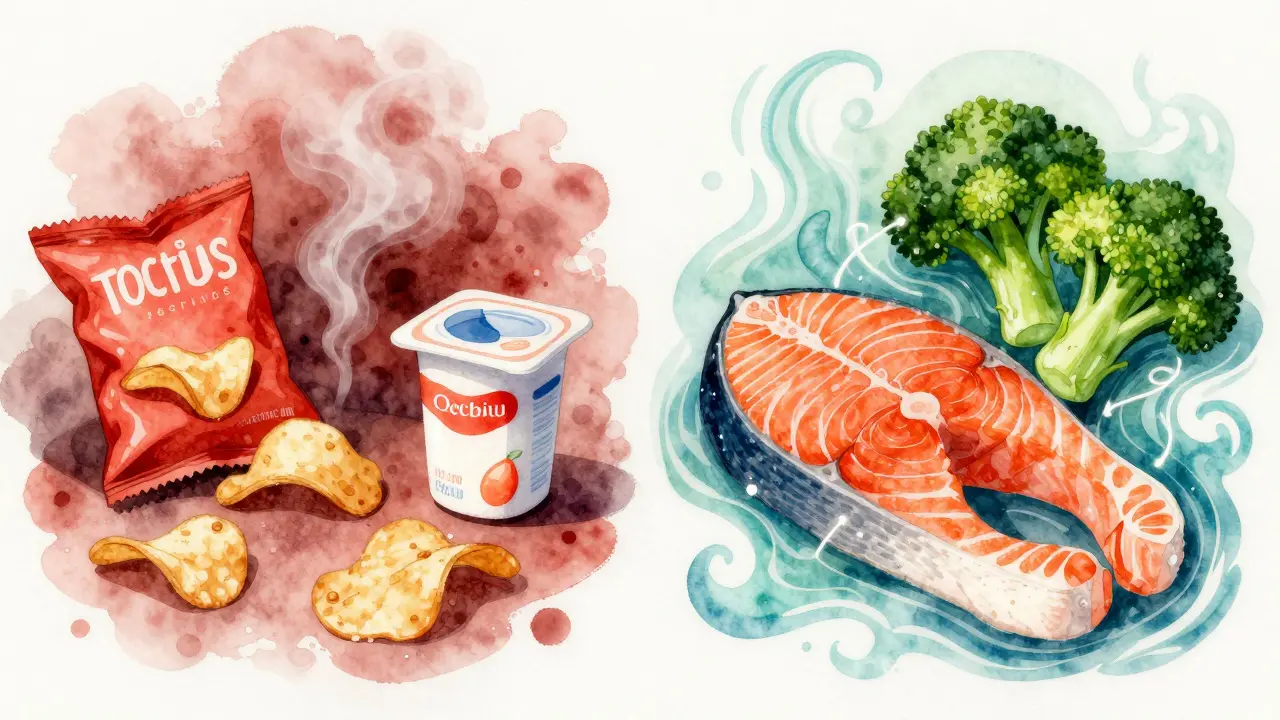
We cannot discuss disease prevention without addressing Ultra-Processed Foods . These are industrial formulations made entirely of ingredients not found in home kitchens. They are engineered to bypass satiety signals, meaning you never feel full. Studies consistently show a correlation between high consumption of these products and increased mortality rates, regardless of the calorie count. The matrix of the food matters. Even natural-sounding foods like potato chips or sugary yogurts fall into this category due to the level of processing involved.
The danger is that these foods displace nutrient-dense whole foods. Every slice of processed cheese consumed is a slice less room for fresh spinach. Overweight and obesity follow quickly when satiety signals fail. Managing weight is easier when food physically fills you up. Volume eating techniques rely on this principle. Large salads with olive oil dressing provide physical bulk and fat to satisfy appetite without loading the system with empty calories. Cooking at home is your biggest leverage point. It ensures you control the oil, the salt, and the preservatives.

Building Sustainable Habits
Diet change fails when it feels like prison. To last, a healthy lifestyle must fit your actual life. Willpower is a finite resource; it depletes faster than caffeine. Do not rely on sheer determination to stick to a meal plan every day. Instead, engineer your environment. If you buy cookies, you will eat cookies. If you wash and cut fruit immediately after grocery shopping, you will eat the fruit.
Start small. A shift of 10% is better than 100% failure. Swap one junk food item for a nutritious alternative each week. For many living in Australia, this might mean focusing on local produce. In Adelaide, stone fruit season peaks around February and March, providing vitamin C bombs right when you need them. Winter brings hardier vegetables like brassicas, kale, and cabbage. Seasonality not only improves taste and nutrition but connects you to local rhythms.
Sleep and stress also factor into dietary adherence. A tired brain craves quick energy, usually in the form of sugar. Prioritizing seven to eight hours of sleep regulates ghrelin and leptin, the hormones that manage hunger. Hydration plays a subtle role too. Sometimes thirst masks itself as hunger. Drinking a glass of water before deciding to snack can clear the confusion.
FAQs on Healthy Living and Nutrition
Can diet completely eliminate the risk of all diseases?
No. Genetics, environmental factors, and random chance play a role in health outcomes. However, a nutrient-rich diet significantly lowers the statistical probability of developing common chronic conditions like heart disease, stroke, and Type 2 diabetes.
Is organic food strictly necessary for health?
Not necessarily. The most important choice is eating whole plant foods rather than processed foods. Washing conventional produce thoroughly reduces pesticide exposure effectively. Organic is ideal, but a budget-conscious approach focusing on quantity of vegetables is generally better than buying few expensive organic items.
How much water should I drink daily?
Needs vary based on activity and climate. A rough guideline is drinking when thirsty and ensuring urine is pale yellow. Aim for 2 liters or more depending on exercise levels. Avoid sugary beverages entirely as they contribute calories without hydration benefits.
Do supplements replace a healthy diet?
Supplements fill gaps, they do not build foundations. Whole foods contain thousands of bioactive compounds interacting in ways pills cannot mimic. Consult a doctor for specific deficiencies like Vitamin D or B12, but prioritize food first for general health.
What is the biggest barrier to maintaining a healthy diet?
The biggest barrier is often complexity and reliance on convenience. Ultra-processed foods are designed to be addictive and convenient. Preparation strategies, such as batch cooking, and creating a kitchen environment stocked with ready-to-eat fruits and vegetables help overcome this hurdle.