

It is easy to feel overwhelmed by the sheer volume of health advice floating around. One day, carbs are the enemy; the next, fats are out. But amidst the noise, one truth remains consistent across decades of research: what you put on your plate matters more than any supplement or quick fix. A healthy diet isn't just about weight loss-it is the most powerful tool we have to combat the silent epidemics of the 21st century.
We are living in an era where convenience often trumps nutrition. Processed foods line our shelves, and sedentary jobs dominate our workweeks. This shift has led to a surge in chronic conditions that were once rare. Type 2 diabetes, cardiovascular disease, and certain cancers are now linked directly to dietary patterns. Understanding how food functions as medicine can change not just your health metrics, but your entire quality of life.
The Root of Modern Health Crises
To understand why diet is so critical, we first need to look at what is causing these modern health issues. The primary culprit is the widespread consumption of ultra-processed foods. These products are engineered for shelf stability and taste, not for human biology. They are typically high in refined sugars, unhealthy trans fats, and sodium, while being stripped of essential nutrients like fiber, vitamins, and minerals.
When you eat a bag of chips or a sugary snack, your body experiences a rapid spike in blood sugar. Over time, this constant rollercoaster leads to insulin resistance, a precursor to type 2 diabetes. Furthermore, the lack of fiber means your gut microbiome-the community of bacteria in your digestive tract-starves. A diverse microbiome is crucial for immune function and even mental health. When it suffers, inflammation rises, paving the way for chronic diseases.
Consider the difference between eating a whole apple and drinking apple juice. The apple contains fiber, which slows down sugar absorption and feeds beneficial gut bacteria. The juice delivers a concentrated dose of sugar with none of the protective benefits. This simple distinction highlights how processing alters the biological impact of food.
Nutrient-Dense Foods as Medicine
If processed foods are the problem, nutrient-dense whole foods are the solution. Nutrient density refers to the amount of vitamins, minerals, and other beneficial compounds per calorie. Focusing on these foods ensures your body gets the raw materials it needs to repair cells, fight infection, and regulate hormones.
Vegetables and fruits should form the foundation of any healthy diet. They are rich in antioxidants, which neutralize free radicals that damage DNA and contribute to aging and disease. Leafy greens like spinach and kale provide calcium, iron, and vitamin K without the heavy calories. Berries, such as blueberries and strawberries, are packed with polyphenols that support heart health and cognitive function.
Protein sources also play a vital role. Lean meats, fish, eggs, and plant-based proteins like lentils and chickpeas provide amino acids necessary for muscle maintenance and enzyme production. Fatty fish, particularly salmon and mackerel, are excellent sources of omega-3 fatty acids, which are potent anti-inflammatory agents. Incorporating these into your meals twice a week can significantly reduce the risk of heart disease.
Fats have gotten a bad reputation, but not all fats are created equal. Healthy fats from avocados, nuts, seeds, and olive oil support brain health and help absorb fat-soluble vitamins like A, D, E, and K. Replacing saturated fats with unsaturated fats is a key strategy for lowering cholesterol levels and improving vascular health.
The Gut-Brain Connection
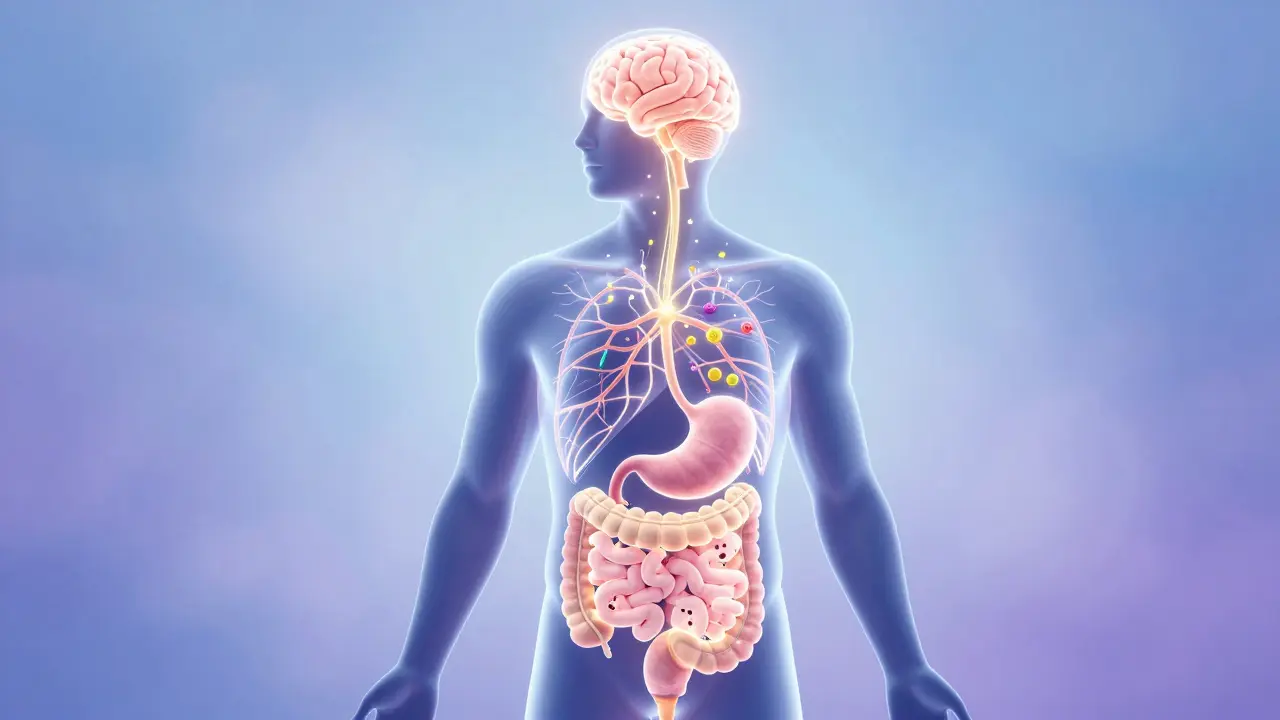
One of the most exciting areas of nutritional science is the gut-brain axis. Your gut and your brain are in constant communication via the vagus nerve and chemical messengers. What happens in your digestive system directly influences your mood, stress levels, and cognitive performance.
A diet high in fiber and fermented foods promotes a healthy gut microbiome. Fermented foods like yogurt, kefir, sauerkraut, and kimchi contain probiotics-live bacteria that colonize the gut and improve digestion. Studies have shown that people who consume these foods regularly report lower levels of anxiety and depression. The production of neurotransmitters like serotonin, often called the 'happy hormone,' occurs primarily in the gut.
Conversely, a diet high in sugar and artificial additives can disrupt this balance, leading to 'leaky gut' syndrome, where toxins escape into the bloodstream. This triggers systemic inflammation, which has been linked to brain fog, fatigue, and mood disorders. By prioritizing gut-friendly foods, you are not just aiding digestion; you are supporting mental resilience.
| Food Type | Nutrient Profile | Impact on Inflammation | Gut Health Effect |
|---|---|---|---|
| Ultra-Processed Foods | Low in nutrients, high in sugar/salt | Increases inflammation | Disrupts microbiome diversity |
| Whole Plant Foods | High in fiber, vitamins, antioxidants | Reduces inflammation | Feeds beneficial bacteria |
| Fermented Foods | Contains probiotics and enzymes | Lowers systemic inflammation | Enhances microbial balance |
| Lean Proteins | High in amino acids, moderate fat | Neutral to slightly anti-inflammatory | Supports tissue repair |
Practical Steps to Transform Your Diet
Changing your diet doesn't have to be about drastic restrictions or expensive superfoods. It starts with small, sustainable shifts. Begin by reading labels. If you cannot pronounce an ingredient or if there are more than five ingredients listed, it is likely too processed. Aim for foods that look like they came from nature, not a factory.
Plan your meals ahead of time. Impulse buying is a major barrier to healthy eating. Create a weekly menu based on seasonal produce available in your local market. This not only supports local farmers but also ensures you are getting fresh, nutrient-rich ingredients. Cooking at home gives you control over portion sizes and the amount of oil, salt, and sugar used.
Incorporate more variety into your plate. Try to eat different colors of fruits and vegetables each day. Different pigments indicate different phytonutrients, each offering unique health benefits. For example, red foods like tomatoes are rich in lycopene, which supports prostate health, while orange foods like carrots contain beta-carotene, good for vision.
Hydration is another often-overlooked aspect of diet. Water aids in digestion, nutrient absorption, and temperature regulation. Replace sugary drinks with water, herbal teas, or infused water with lemon and cucumber. Sometimes, thirst is mistaken for hunger, leading to unnecessary snacking.

Mitigating Risks and Addressing Challenges
While a healthy diet offers immense benefits, it is not without challenges. Social situations, busy schedules, and budget constraints can make it difficult to stick to nutritious choices. However, these barriers can be overcome with planning and mindset shifts.
Budget concerns are common, but healthy eating does not have to be expensive. Staples like beans, rice, oats, and frozen vegetables are affordable and nutritious. Buying in bulk and reducing food waste by using leftovers creatively can further stretch your grocery budget. Fresh produce markets often have discounted items near closing time, which are perfect for immediate use.
Social pressure can also derail progress. Instead of isolating yourself, bring a healthy dish to gatherings or suggest restaurants with balanced options. Most importantly, practice self-compassion. Slip-ups happen. The goal is consistency over perfection. One unhealthy meal does not undo weeks of healthy choices.
Another risk is nutrient deficiency if you restrict entire food groups without proper knowledge. For instance, eliminating dairy without finding alternative calcium sources can lead to bone density issues. If you follow a specific diet like veganism or keto, consider consulting a registered dietitian to ensure your nutritional needs are met through supplements or careful food selection.
Long-Term Benefits Beyond Weight Loss
The benefits of a healthy diet extend far beyond the number on the scale. Improved energy levels are one of the first changes you will notice. Stable blood sugar levels prevent the mid-afternoon crash, allowing for sustained focus and productivity throughout the day.
Cardiovascular health improves significantly with a diet low in saturated fats and high in fiber. Lower cholesterol levels reduce the buildup of plaque in arteries, decreasing the risk of heart attacks and strokes. Blood pressure also tends to normalize with reduced sodium intake and increased potassium from fruits and vegetables.
Immune function becomes more robust. A well-nourished body can better fight off infections and recover from illness faster. Antioxidants and vitamins like C and D play crucial roles in immune cell activity. During flu season, those with a nutrient-rich diet often experience milder symptoms and shorter recovery times.
Mental clarity and emotional stability also improve. As mentioned earlier, the gut-brain connection means that a healthy diet supports mental health. Reduced inflammation is linked to lower rates of depression and anxiety. Many people report feeling more optimistic and resilient after adopting a whole-foods-based diet.
Is a healthy diet really enough to prevent chronic diseases?
While genetics and environmental factors play a role, diet is the most significant modifiable risk factor for chronic diseases like heart disease, type 2 diabetes, and certain cancers. A nutrient-dense diet reduces inflammation and supports cellular repair, significantly lowering the risk of these conditions. However, it works best when combined with regular physical activity and adequate sleep.
What are the best foods for gut health?
Foods that promote gut health include high-fiber plants like legumes, whole grains, and vegetables, as well as fermented foods like yogurt, kefir, sauerkraut, and kimchi. These provide prebiotics (food for good bacteria) and probiotics (live beneficial bacteria), respectively. Diversity in your diet is key to maintaining a healthy microbiome.
Can I eat processed foods occasionally?
Yes, occasional consumption of processed foods is fine. The key is moderation and making them the exception, not the rule. Focus on building a diet primarily composed of whole, minimally processed foods. If you do indulge, try to pair processed snacks with fiber-rich foods to mitigate blood sugar spikes.
How does diet affect mental health?
Diet affects mental health through the gut-brain axis. A healthy gut microbiome produces neurotransmitters like serotonin and dopamine. Diets high in sugar and processed fats can cause inflammation, which is linked to depression and anxiety. Conversely, diets rich in omega-3s, antioxidants, and fiber support cognitive function and emotional stability.
Is healthy eating expensive?
Not necessarily. While some organic or specialty items can be pricey, staples like beans, rice, oats, eggs, and frozen vegetables are very affordable. Planning meals, buying in bulk, and reducing food waste can make a healthy diet budget-friendly. The long-term savings from improved health often outweigh the initial cost differences.