
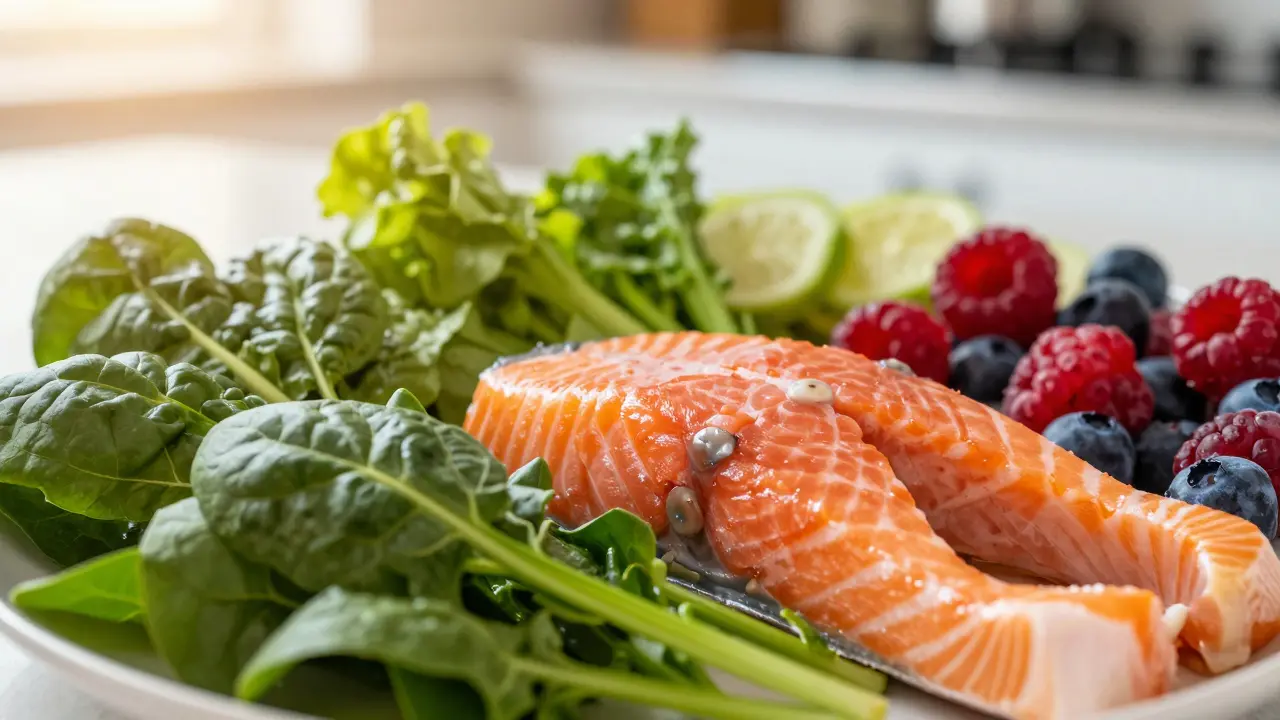
We often treat food like fuel. You eat to stop the hunger pangs so you can get back to work, scroll through your phone, or sleep. But what if that view is dangerously incomplete? Food isn’t just energy; it’s information. Every bite sends signals to your genes, your immune system, and your brain. When we ignore this biological conversation, we pay for it later in fatigue, inflammation, and chronic illness. A healthy diet is not about restriction or counting calories. It is about giving your body the precise raw materials it needs to repair itself, fight infection, and maintain mental clarity.
In Sydney, where fresh produce markets are abundant and coffee culture dominates breakfast, it’s easy to fall into the trap of thinking ‘clean eating’ means buying expensive superfoods. It doesn’t. It means understanding how different nutrients interact within your unique biology. Let’s strip away the marketing noise and look at what actually happens when you prioritize nutrient density over empty calories.
The Biological Foundation: More Than Just Calories
The idea that “calories in, calories out” is the only metric for health is outdated. Two people can eat the same 2,000-calorie meal-one consisting of processed snacks, the other of vegetables, lean protein, and healthy fats-and their bodies will react differently. This is due to the thermic effect of food and hormonal responses. Processed foods spike insulin rapidly, leading to energy crashes and fat storage. Whole foods provide a slow, steady release of energy, keeping blood sugar stable.
Your cells are constantly dying and being replaced. Skin cells turn over every few weeks; gut lining cells every few days. If you feed your body low-quality ingredients-high in trans fats, refined sugars, and artificial additives-you are building those new cells with subpar materials. Over time, this leads to cellular dysfunction. Conversely, a diet rich in antioxidants, vitamins, and minerals supports optimal cell regeneration. Think of it like construction: you wouldn’t build a house with rotten wood and expect it to stand for decades.
| Food Type | Blood Sugar Response | Inflammatory Effect | Satiety Level |
|---|---|---|---|
| Processed Snacks | Rapid Spike | High (Pro-inflammatory) | Low |
| Whole Grains & Legumes | Slow Release | Low (Anti-inflammatory) | High |
| Fruits & Vegetables | Moderate/Low | Very Low (Antioxidant-rich) | Medium-High |
| Lean Proteins | Minimal Impact | Neutral | High |
The Gut-Brain Axis: Your Second Brain
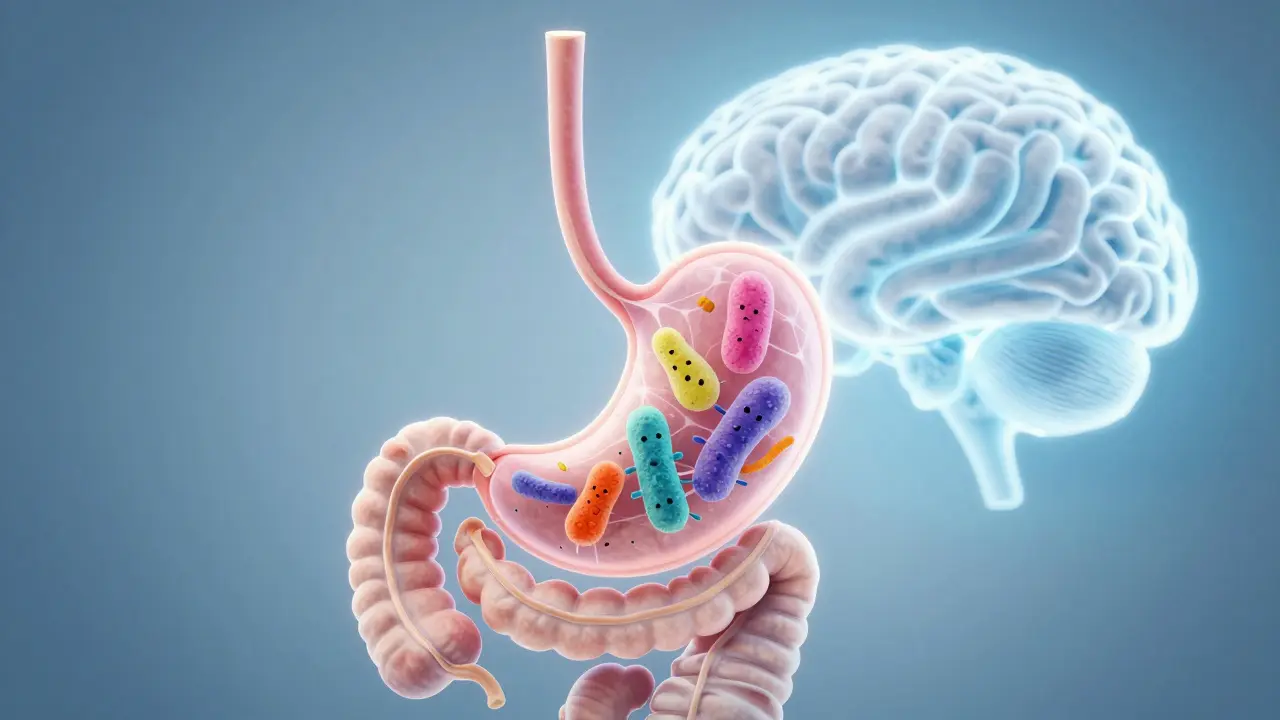
You’ve likely heard that the gut is the “second brain.” This isn’t just a catchy phrase; it’s scientific fact. The enteric nervous system contains millions of neurons that communicate directly with the central nervous system via the vagus nerve. More importantly, your gut microbiome-the trillions of bacteria living in your digestive tract-produces neurotransmitters. About 95% of your serotonin, the hormone responsible for mood regulation, is produced in the gut.
If your diet is high in sugar and low in fiber, you starve the beneficial bacteria (like Lactobacillus and Bifidobacterium) and feed the harmful ones. This imbalance, known as dysbiosis, has been linked to anxiety, depression, and brain fog. To support your mental health, you need to feed these microbes. Prebiotic fibers found in garlic, onions, leeks, asparagus, and bananas are essential. Fermented foods like yogurt, kefir, sauerkraut, and kimchi introduce probiotics directly into your system.
Consider this: when you feel “hangry,” it’s not just low blood sugar. It’s also an inflammatory response triggered by poor dietary choices. By stabilizing your gut health, you stabilize your emotions. It’s a direct line from your plate to your psyche.
Chronic Disease Prevention: The Long Game
Most chronic diseases-heart disease, type 2 diabetes, certain cancers-are lifestyle-related. They don’t appear overnight. They develop over years of poor nutritional choices. A healthy diet acts as a shield against these conditions. For example, soluble fiber found in oats, beans, and apples helps lower LDL cholesterol by binding to bile acids and removing them from the body. This reduces the strain on your cardiovascular system.
Omega-3 fatty acids, found in fatty fish like salmon and mackerel, as well as flaxseeds and walnuts, are powerful anti-inflammatories. Chronic inflammation is the root cause of many diseases. By incorporating omega-3s regularly, you reduce the systemic inflammation that damages arteries and tissues. Meanwhile, limiting added sugars prevents the glycation process, where sugar molecules attach to proteins and fats, causing oxidative stress and aging.
In Australia, we have access to some of the world’s best seafood and produce. Utilizing local, seasonal ingredients ensures higher nutrient density because the food hasn’t spent weeks in transit. A strawberry picked in summer in New South Wales retains more vitamin C than one imported from overseas months ago.
Practical Steps to Build a Sustainable Healthy Diet
Changing your diet doesn’t require a complete overhaul overnight. That approach rarely works. Instead, focus on addition, not subtraction. Add more vegetables before you remove junk food. Here are practical steps to start today:
- Color Your Plate: Aim for at least three different colors on your plate at every meal. Different colors indicate different phytonutrients. Red tomatoes offer lycopene; leafy greens provide magnesium; purple berries contain anthocyanins.
- Hydrate First: Often, thirst masks itself as hunger. Drink a glass of water before each meal. Herbal teas and infused waters count too.
- Read Labels, Not Front Packaging: Marketing terms like “natural” or “low-fat” can be misleading. Look at the ingredient list. If you can’t pronounce it, or if there are more than five ingredients, reconsider.
- Cook at Home: Restaurant meals often contain hidden sodium and unhealthy oils. Cooking allows you to control portion sizes and ingredient quality.
- Plan Ahead: Meal prepping doesn’t mean cooking all week on Sunday. It means washing and chopping vegetables on Wednesday so they’re ready to grab on Thursday night.
Remember, perfection is the enemy of progress. If you miss a day or eat poorly at a social event, don’t spiral. Just return to your healthy habits at the next meal. Consistency beats intensity every time.

Mental Clarity and Energy Levels
Have you ever noticed the afternoon slump around 3 PM? It’s often tied to lunch. A heavy, carb-rich meal causes a rapid rise and subsequent crash in blood glucose levels. This drop leads to fatigue, irritability, and difficulty concentrating. By choosing complex carbohydrates (like quinoa or sweet potatoes) paired with protein and healthy fats, you create a sustained energy curve.
Nootropics aren’t just pills; they’re foods. Blueberries improve memory and cognitive function. Dark chocolate (70% cocoa or higher) enhances blood flow to the brain. Green tea contains L-theanine, which promotes relaxation without drowsiness, working synergistically with caffeine for focused alertness. These small dietary tweaks can significantly impact your productivity and mental sharpness throughout the day.
Overcoming Common Barriers
Time, money, and taste are the usual suspects when people fail to stick to a healthy diet. Let’s address them head-on.
Time: Healthy eating can be quick. A stir-fry takes 15 minutes. A salad with canned tuna and chickpeas takes five. Batch cooking grains and roasting vegetables in bulk saves hours during the week.
Money: Fresh produce can seem expensive, but dried beans, lentils, eggs, and frozen vegetables are incredibly cheap and nutritious. Frozen fruits and veggies are picked at peak ripeness and flash-frozen, retaining most nutrients while costing less than fresh out-of-season options.
Taste: Palates adapt. If you’re used to highly processed, salty, and sugary foods, natural flavors might seem bland at first. Give it two to three weeks. Your taste buds will recalibrate, and you’ll start craving the true flavor of real food.
Is a healthy diet expensive?
Not necessarily. While organic produce and specialty items can cost more, staples like beans, lentils, rice, eggs, and seasonal vegetables are affordable. Buying in bulk and avoiding processed convenience foods often lowers the overall grocery bill while improving health outcomes.
How quickly will I see results from changing my diet?
Many people report improved energy levels and better digestion within one to two weeks. Significant changes in weight, skin clarity, and chronic condition markers may take three to six months of consistent effort. Patience and consistency are key.
Do I need to cut out carbs completely?
No. Carbohydrates are essential for brain function and energy. The issue lies in refined carbs (white bread, pastries). Focus on complex carbohydrates from whole grains, fruits, and vegetables, which provide fiber and sustained energy.
Can diet really affect my mental health?
Yes. Research shows a strong link between diet and mental health. Diets high in processed foods are associated with higher rates of depression and anxiety. Conversely, Mediterranean-style diets rich in fruits, vegetables, and healthy fats support better mood and cognitive function.
What is the most important nutrient to focus on?
There is no single magic nutrient. Balance is crucial. However, ensuring adequate intake of fiber, protein, and healthy fats forms the foundation of a healthy diet. Fiber, in particular, is often lacking in modern diets and is vital for gut health and satiety.