
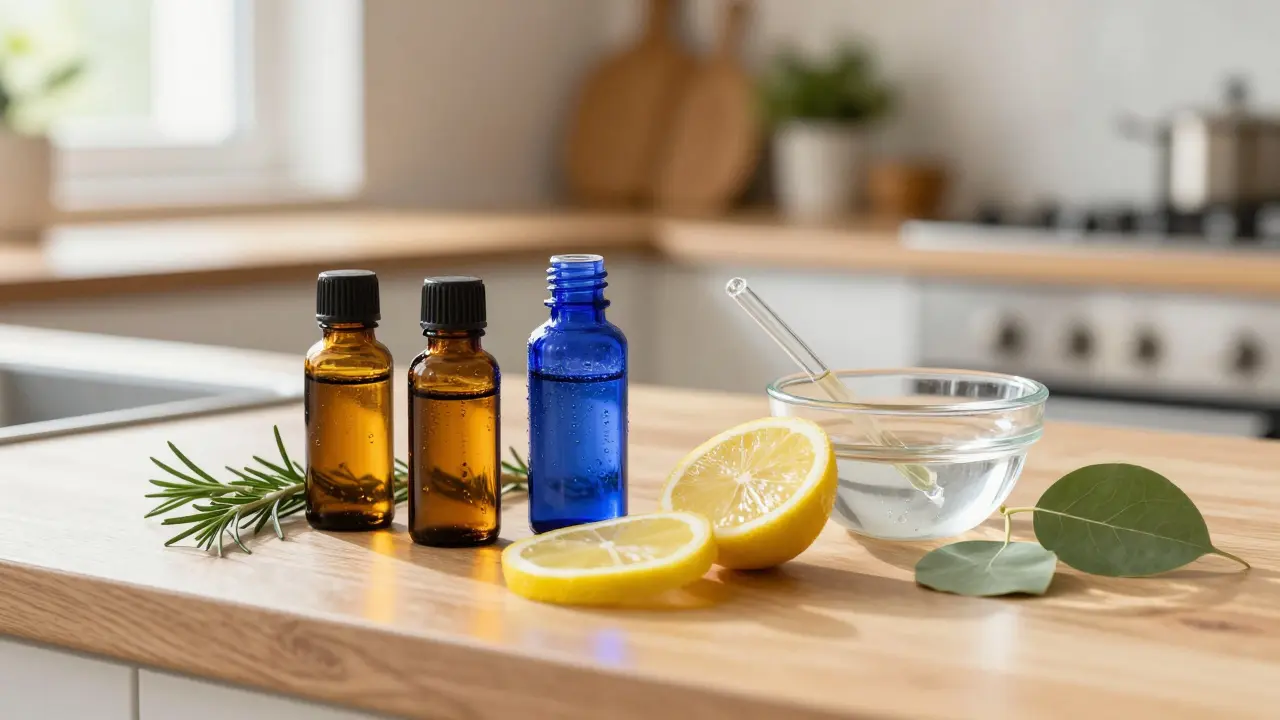
Walk into a room that smells like stale coffee and damp laundry. It’s not just unpleasant; it drains your energy before you even sit down. We often reach for chemical-heavy plug-ins or synthetic sprays to mask these odors, but those solutions usually just layer one smell over another without fixing the root cause. There is a better way. By using aromatherapy, you can transform your living space into a sanctuary that feels clean, fresh, and genuinely inviting. This isn’t about buying expensive candles; it’s about harnessing the power of nature to improve your mood and your environment.
I’ve spent years testing different methods in my own Brisbane home, where humidity can make spaces feel heavy and stuffy. I learned quickly that throwing money at store-bought air fresheners was a waste. Instead, creating your own scent profiles gives you control over what you breathe in every day. You get purity, customization, and a deeper connection to your surroundings. Let’s look at how you can do this yourself, starting with the basics.
Gathering Your Essential Tools
You don’t need a chemistry lab to start making natural fragrances. In fact, the best setups are simple. The core of any DIY aromatherapy project is the essential oil, which is a concentrated hydrophobic liquid containing volatile aroma compounds from plants. Unlike fragrance oils found in cheap sprays, essential oils are extracted directly from plant parts like leaves, flowers, bark, or roots through steam distillation or cold pressing. This means they carry the actual therapeutic properties of the plant, not just the smell.
To work effectively, you’ll need three main things:
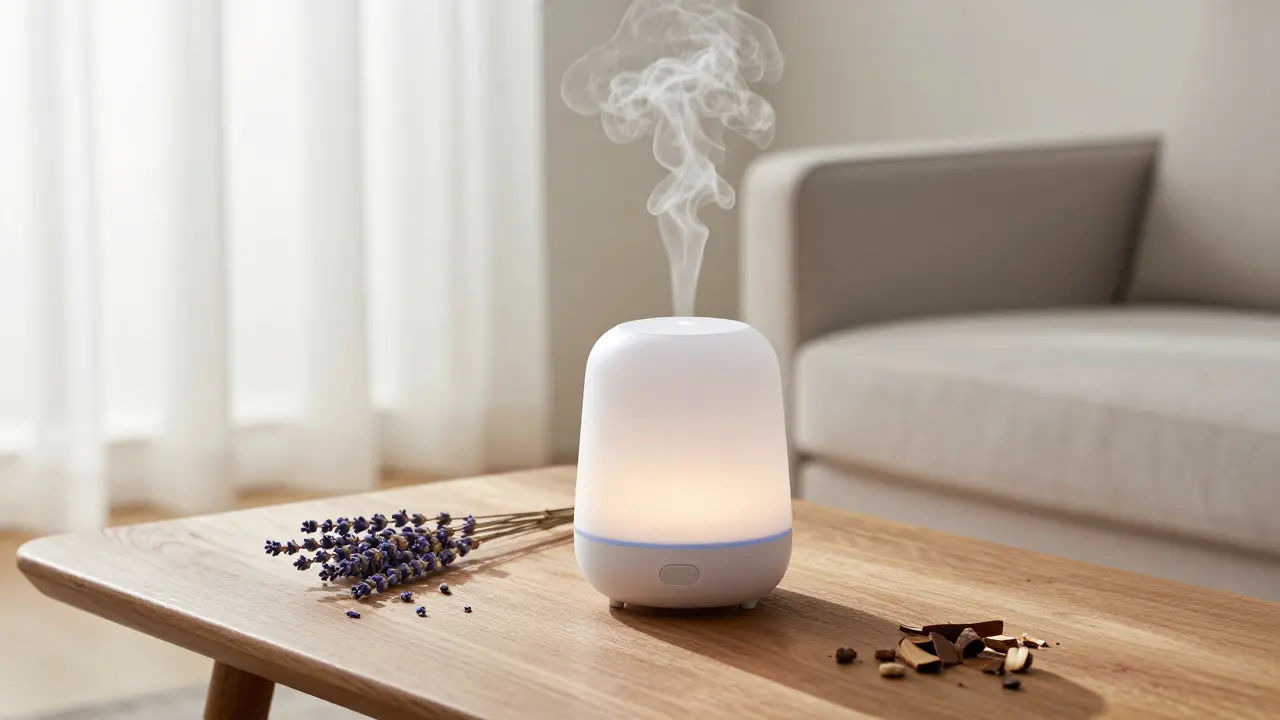
- A Diffuser: This is your delivery system. Ultrasonic diffusers are popular because they use water and vibration to disperse tiny particles of oil into the air. They also add humidity, which is great for dry climates or winter months. Nebulizing diffusers, on the other hand, don’t use water; they blast pure oil into the air. These are stronger and last longer but require more oil per hour.
- Clean Carrier Oil (Optional): If you’re making roll-on blends or skin-safe sprays, you need a carrier oil like fractionated coconut oil or jojoba oil to dilute the potent essential oils. For room sprays, distilled water mixed with a little vodka or witch hazel works best as a base.
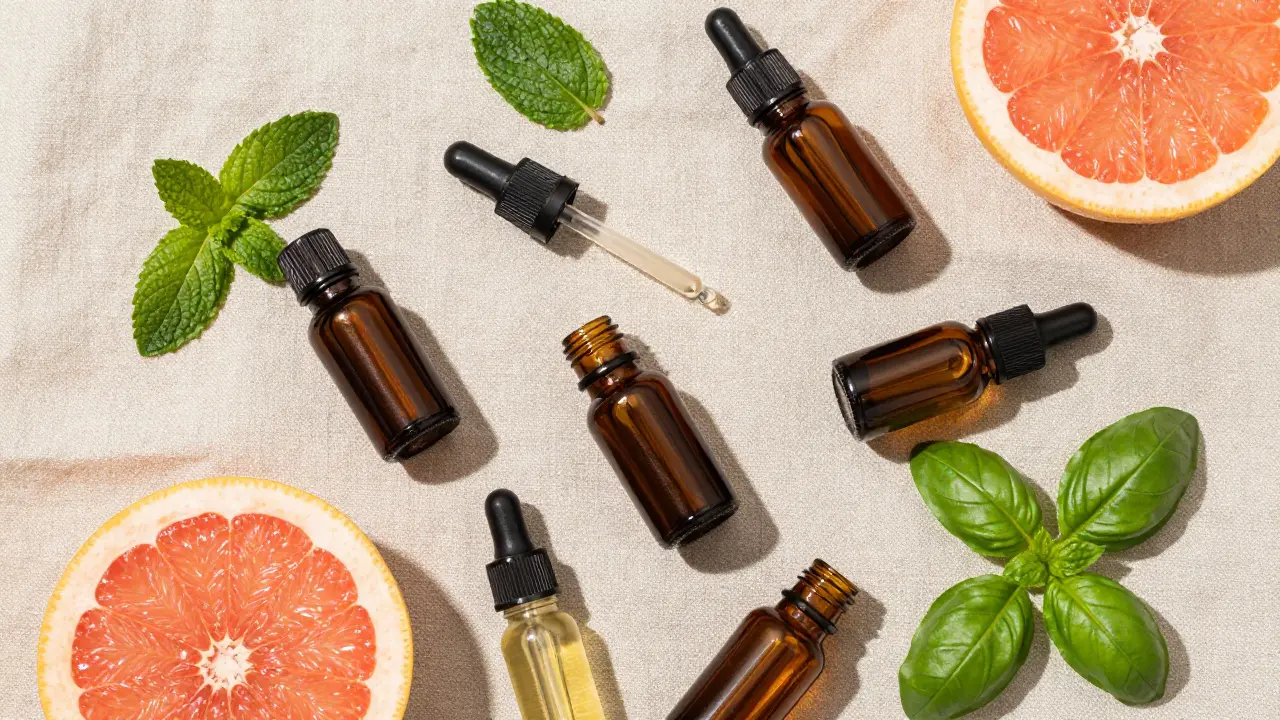
- Glass Containers: Always use dark glass bottles (amber or cobalt) for storing your mixes. Light degrades essential oils, turning them rancid and less effective. Plastic can react with certain oils, so avoid it entirely.
Start small. Buy high-quality, 100% pure essential oils from reputable suppliers. Look for labels that specify the Latin name of the plant, such as Mentha piperita for peppermint. If the bottle just says “peppermint oil” without further detail, it might be diluted or synthetic. Quality matters here because you are breathing these molecules all day long.
Choosing the Right Scents for Your Goals
Different scents trigger different responses in our brains. The olfactory system is directly linked to the limbic system, which handles emotions and memory. This is why the smell of lavender can instantly calm you down, while citrus can wake you up. Before you mix anything, decide what you want your space to achieve.
| Essential Oil | Primary Benefit | Best Used For |
|---|---|---|
| Lavender | Relaxation, Sleep Aid | Bedrooms, Evening Wind-Downs |
| Peppermint | Energizing, Focus | Home Offices, Morning Routines |
| Tea Tree | Purifying, Antimicrobial | Bathrooms, Laundry Rooms |
| Lemon | Mood Boosting, Cleaning | Kitchens, Living Areas |
| Eucalyptus | Respiratory Support, Clarity | Living Rooms, During Cold Season |
If you’re trying to create a workspace that promotes focus, skip the heavy florals. Go for sharp, clean scents like rosemary, lemon, or grapefruit. These citruses contain limonene, a compound known to uplift mood and reduce fatigue. Conversely, if you’re dealing with stress after a long day, chamomile, ylang-ylang, or frankincense are your allies. They slow down the nervous system, helping you transition from “work mode” to “rest mode.”
Don’t underestimate the power of blending. Single notes can sometimes feel flat. A classic blend for freshness is Lemon + Peppermint + Eucalyptus. The lemon provides brightness, the peppermint adds a cooling kick, and the eucalyptus clears the sinuses. It’s like a breath of fresh air bottled up.
Creating Your First Room Spray
A room spray is the easiest entry point into DIY aromatherapy. It’s versatile, cheap to make, and you can customize it for any room in your house. Here is a simple recipe for an “All-Purpose Freshener” that cuts through cooking odors and general mustiness.
- Measure your ingredients: You’ll need 1 cup of distilled water, 2 tablespoons of vodka or witch hazel (this helps the oil mix with the water), and 15-20 drops of essential oil.
- Choose your blend: For a kitchen-friendly scent, try 10 drops of Lemon, 5 drops of Tea Tree, and 5 drops of Rosemary. Tea tree is powerful against mold and bacteria, making it ideal for kitchens and bathrooms.
- Mix it up: Pour the vodka and essential oils into a small bowl first. Stir well to combine. Then, slowly add the distilled water while stirring continuously. This helps emulsify the mixture slightly, though it will still separate over time.
- Transfer to a bottle: Use a funnel to pour the mixture into a 4-ounce spray bottle. Shake vigorously before every use.
Spray this around your curtains, under sinks, or in the center of the room after cleaning. It doesn’t just smell good; it actively helps neutralize odors rather than masking them. I keep a batch of this in my fridge drawer during summer to combat the heat and humidity that makes Brisbane homes feel sticky.
Diffuser Blends for Different Times of Day
Your needs change throughout the day, and your aromatherapy routine should too. Using a diffuser allows you to set a specific atmosphere for each part of your schedule. Here are three reliable blends I use regularly.
The Morning Wake-Up Call
When you’re struggling to get out of bed, heavy scents can feel suffocating. Instead, aim for invigoration. Mix 3 drops of Grapefruit, 2 drops of Spearmint, and 2 drops of Basil. Grapefruit is sweet but zesty, spearmint is milder than peppermint but still refreshing, and basil adds an herbal depth that grounds the blend. Run this in your bedroom or bathroom while you shower and get ready. It signals to your brain that the day has started.
The Afternoon Focus Booster
We all hit that slump around 2 PM. Caffeine helps, but it can lead to jitters. Aromatherapy offers a smoother alternative. Try 4 drops of Rosemary, 3 drops of Lemon, and 2 drops of Frankincense. Rosemary is famously linked to memory retention and concentration. Lemon keeps the mind alert, and frankincense provides a meditative clarity that prevents anxiety from creeping in. This is perfect for home offices or study areas.
The Evening Wind-Down
As the sun sets, switch to calming scents. Lavender is the gold standard, but it can be overpowering on its own. Blend 3 drops of Lavender, 2 drops of Bergamot, and 2 drops of Cedarwood. Bergamot is unique among citrus oils because it’s calming rather than energizing. Cedarwood adds a warm, woody note that feels cozy and safe. Diffuse this in the living room or bedroom about an hour before bed to signal relaxation.
Safety and Best Practices
Natural doesn’t mean harmless. Essential oils are potent substances that require respect. One of the biggest mistakes beginners make is over-diffusing. Running a diffuser for hours on end can lead to headaches, nausea, or respiratory irritation. Stick to sessions of 30-60 minutes, then turn it off. Your body needs breaks from strong scents to reset its sensitivity.
If you have pets, you must be cautious. Cats, in particular, lack the liver enzymes to break down certain compounds found in essential oils. Teatree, eucalyptus, peppermint, and citrus oils can be toxic to cats if ingested or absorbed through the skin in large amounts. Dogs are generally more resilient, but oils like wintergreen and pine can still cause issues. Always research pet safety before introducing new scents, and ensure your pets have an escape route from the room where you’re diffusing.
Also, never apply undiluted essential oils directly to your skin. They can cause severe burns or allergic reactions. Always dilute with a carrier oil if you’re making topical products. And keep all oils out of reach of children. Curiosity can lead to accidental ingestion, which is dangerous.
Maintaining Freshness Without Overdoing It
The goal of refreshing your space is balance. You want a subtle background scent that enhances the environment, not a perfume bomb that overwhelms guests. Start with fewer drops of oil than you think you need. You can always add more, but you can’t take it back once it’s in the air.
Ventilation is key. Even with the best natural scents, stale air builds up. Open windows whenever possible to let fresh air circulate. Combine your aromatherapy with regular cleaning practices. No amount of lavender will fix a dirty floor or moldy shower curtain. Use your sprays and diffusers as complements to hygiene, not replacements for it.
Finally, trust your nose. If a blend stops smelling pleasant, it’s time to change it. Our senses adapt quickly, a phenomenon called olfactory fatigue. Switching up your oils every few days keeps your environment feeling dynamic and truly fresh. Experiment with seasonal changes-lighter citrus in summer, warmer spices like cinnamon and clove in winter-to keep your space aligned with the rhythm of the year.
How long does a DIY room spray last?
A properly made room spray with distilled water and alcohol can last up to 6 months. However, the scent potency may decrease over time. Store it in a cool, dark place to extend its life. If it starts to smell sour or off, discard it and make a fresh batch.
Can I use tap water in my diffuser or spray?
It’s best to use distilled water. Tap water contains minerals and chlorine that can clog ultrasonic diffusers and alter the scent of your oils. Distilled water ensures a cleaner mist and longer-lasting equipment performance.
Are essential oils safe for babies?
Use extreme caution. Babies have sensitive respiratory systems and developing skin. Many experts recommend avoiding essential oils around infants under 6 months old. For older babies, use very low concentrations and ensure the room is well-ventilated. Always consult a pediatrician before introducing aromatherapy to a nursery.
Why does my diffuser sound like a jet engine?
If your ultrasonic diffuser is making loud noises, it likely needs cleaning. Mineral buildup from hard water or dried essential oil residue can interfere with the vibrating plate. Clean it weekly with white vinegar and a soft brush to maintain quiet operation.
What is the difference between essential oils and fragrance oils?
Essential oils are natural extracts from plants with therapeutic properties. Fragrance oils are synthetic compounds created in labs to mimic scents. While fragrance oils may smell nice, they lack the health benefits of essential oils and can contain harmful chemicals like phthalates. For true aromatherapy, always choose pure essential oils.