

You feel it in your shoulders. You notice it when you can’t fall asleep at night. It’s that low-grade hum of anxiety that never quite turns off. We often treat stress as an inconvenience, something to push through until the weekend arrives. But science tells a different story. Chronic stress isn’t just bad for your mood; it rewires your brain, weakens your immune system, and accelerates aging. The good news? You don’t need a vacation or a complete lifestyle overhaul to fix it. You need a strategy.
This isn’t about learning to breathe deeply for two minutes and then going back to chaos. This is about stress reduction as a fundamental pillar of health, equal to diet and exercise. When you actively manage your stress response, you unlock energy, clarity, and resilience that you didn’t know you had. Let’s look at how to actually do this, starting with understanding what is happening inside your body.
The Biology of Stress: Why Your Body Won’t Shut Off
To reduce stress, you first have to respect it. Stress is not a character flaw. It is a biological survival mechanism. Thousands of years ago, if you saw a lion, your body flooded with cortisol and adrenaline. Your heart rate spiked, your digestion paused, and your muscles tensed up to run or fight. Once the lion was gone, your body relaxed. That cycle worked perfectly.
Today, there are no lions. But we have emails, traffic jams, financial worries, and social media notifications. Your brain doesn’t distinguish between a predator and a passive-aggressive text message. It triggers the same alarm. The problem arises when the alarm stays on. This is called chronic stress. When cortisol levels remain elevated for weeks or months, they start damaging your hippocampus (the part of your brain responsible for memory) and increasing inflammation throughout your body. This leads to fatigue, weight gain, and brain fog. Understanding this shift from acute (short-term) to chronic (long-term) stress is the first step toward taking control.
Immediate Relief: Hacking the Nervous System
Sometimes, you are already in the middle of a panic attack or a high-stress moment. You can’t meditate for twenty minutes. You need immediate relief. Fortunately, your autonomic nervous system has an off-switch. It’s called the parasympathetic nervous system, often referred to as the "rest and digest" mode. Here are three proven ways to flip that switch in under five minutes.
- Box Breathing: This technique, used by Navy SEALs to stay calm under pressure, involves inhaling for four seconds, holding for four, exhaling for four, and holding empty for four. This rhythmic pattern signals safety to your vagus nerve, instantly lowering your heart rate.
- Cold Water Exposure: Splashing ice-cold water on your face or holding an ice cube in your hand triggers the mammalian dive reflex. This physiological response slows your metabolism and heart rate to conserve oxygen, effectively hitting the brakes on stress.
- Progressive Muscle Relaxation: Tense your toes tightly for five seconds, then release. Move to your calves, thighs, stomach, hands, shoulders, and finally your face. By consciously releasing physical tension, you send a feedback signal to your brain that you are safe.
These aren’t magic tricks. They are biological hacks. Use them when you feel your chest tightening or your mind racing. Practice them when you are calm so they become automatic when you are stressed.
Daily Habits That Lower Baseline Stress
Emergency tools are great, but they don’t solve the root problem. To truly change your life, you need to lower your baseline stress level. This means creating daily habits that prevent your stress bucket from overflowing in the first place. Think of these as maintenance, not repair.
| Habit | Mechanism | Actionable Step |
|---|---|---|
| Movement | Burns off excess cortisol and adrenaline | Take a 15-minute brisk walk after lunch. No gym required. |
| Sleep Hygiene | Restores emotional regulation centers in the brain | No screens one hour before bed. Keep the room cool and dark. |
| Nature Immersion | Lowers blood pressure and rumination thoughts | Spend 20 minutes outside without your phone. Look at trees, sky, or water. |
| Social Connection | Releases oxytocin, which counteracts cortisol | Have a genuine, non-work-related conversation with a friend or family member. |
Notice that none of these require expensive equipment or hours of time. The key is consistency. Walking every day does more for your stress levels than running once a month. Sleep quality matters more than sleep quantity. Small, consistent actions rewire your brain over time.
The Role of Mindfulness and Meditation
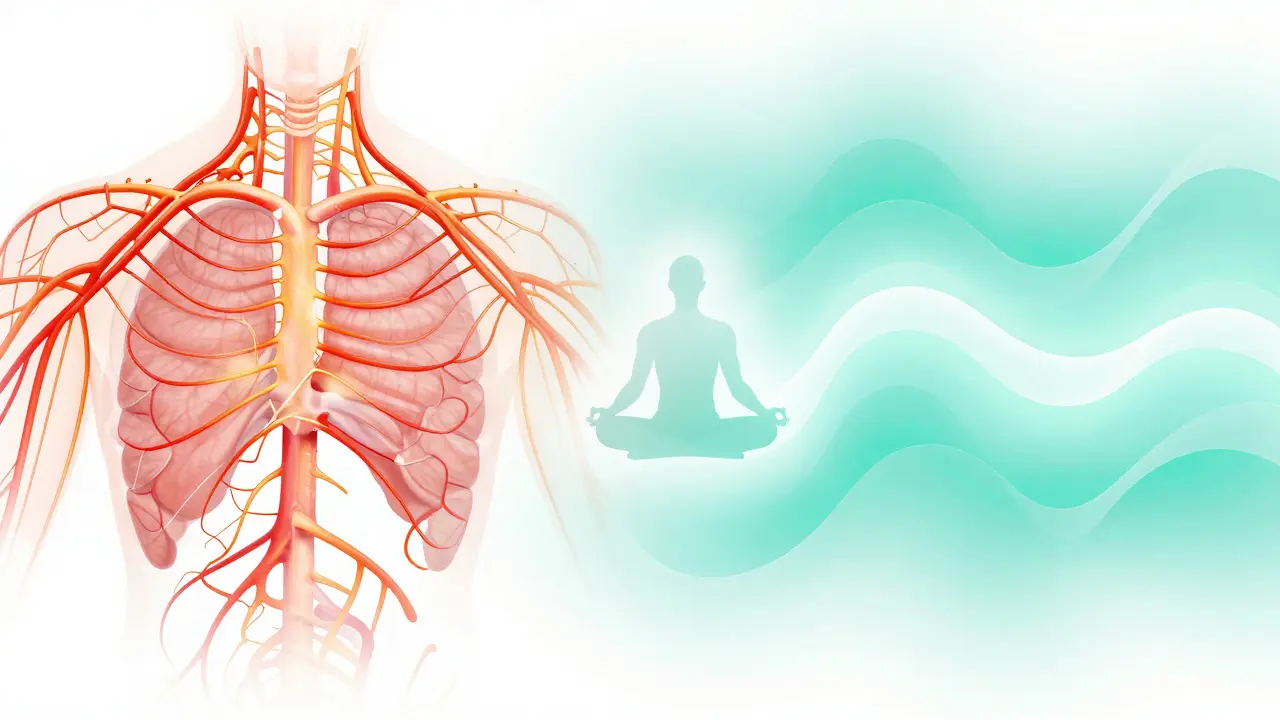
If you’ve tried to meditate and failed, you’re not alone. Many people think meditation means sitting still and clearing their mind. That’s impossible for most beginners. Instead, try mindfulness. Mindfulness is simply paying attention to the present moment without judgment. It doesn’t mean stopping your thoughts; it means noticing them.
Research from Harvard University shows that mindfulness practice can physically change the structure of the brain. It thickens the prefrontal cortex (responsible for decision-making and emotional regulation) and shrinks the amygdala (the fear center). You don’t need an app or a guru. Start with "micro-meditations." Pay full attention to brushing your teeth. Feel the bristles, smell the mint, notice the temperature of the water. When your mind wanders to your to-do list, gently bring it back to the sensation of brushing. This simple act trains your brain to stop autopilot and reduces mental clutter.
For those who prefer guided practices, apps like Headspace or Calm offer structured programs. However, the core principle remains the same: regular, short periods of focused attention build mental resilience over time.
Digital Detox: Managing Information Overload
In 2026, one of the biggest sources of stress is digital overload. We are constantly bombarded with news, notifications, and comparisons. Social media, in particular, triggers a fear of missing out (FOMO) and social comparison, both of which spike cortisol levels. Your brain is not designed to process thousands of stimuli per day.
Implementing a digital detox doesn’t mean throwing away your phone. It means setting boundaries. Try these strategies:
- Turn off non-essential notifications: Keep calls and texts, but mute likes, comments, and app updates. Your phone should interrupt you only when necessary.
- Create phone-free zones: Make your bedroom and dining table places where phones are not allowed. This protects your sleep and your relationships.
- Curate your feed: Unfollow accounts that make you feel inadequate, anxious, or angry. Follow accounts that inspire, educate, or entertain you genuinely.
You will be surprised how much mental space opens up when you stop reacting to every ping. Reclaiming your attention is one of the most powerful stress-reduction techniques available today.

Nutrition and Gut Health: The Second Brain
Your gut and your brain are connected via the vagus nerve. This is why you get "butterflies" in your stomach when you’re nervous. The gut microbiome produces neurotransmitters like serotonin and dopamine, which regulate your mood. If your gut is inflamed due to poor diet, your stress levels will rise.
To support your gut-brain axis, focus on whole foods. Reduce sugar and processed foods, which cause inflammation and blood sugar spikes that mimic stress responses. Increase intake of fermented foods like yogurt, kefir, sauerkraut, and kimchi, which contain probiotics that support healthy gut bacteria. Omega-3 fatty acids found in fish, flaxseeds, and walnuts also reduce inflammation and support brain health. Hydration is equally important; even mild dehydration can increase cortisol levels. Drink water consistently throughout the day, especially if you consume caffeine.
When to Seek Professional Help
While lifestyle changes are powerful, they are not a substitute for professional care. If stress is interfering with your ability to work, maintain relationships, or enjoy life, it may be time to seek help. Signs that you need professional support include persistent sadness, anxiety that feels unmanageable, physical symptoms like chest pain or digestive issues, and reliance on alcohol or drugs to cope.
Cognitive Behavioral Therapy (CBT) is one of the most effective treatments for stress and anxiety. CBT helps you identify and change negative thought patterns that contribute to stress. Therapists can also teach you advanced relaxation techniques and coping strategies tailored to your specific situation. There is no shame in seeking help; it is a sign of strength and self-awareness.
How long does it take to see results from stress reduction techniques?
Immediate techniques like box breathing can provide relief within minutes. However, lasting changes in your baseline stress level typically take 4 to 8 weeks of consistent practice. Neuroplasticity, the brain's ability to rewire itself, requires repetition. Stick with your chosen habits for at least a month before judging their effectiveness.
Is all stress bad for you?
No. Acute stress, which is short-term and triggered by a specific event, can be beneficial. It sharpens focus, boosts performance, and prepares your body for action. The problem arises with chronic stress, which persists over long periods without resolution. The goal is not to eliminate all stress, but to manage it effectively and return to a state of balance.
Can exercise replace medication for stress?
Exercise is a powerful tool for managing stress and can significantly reduce symptoms of anxiety and depression. However, it may not be sufficient for everyone, especially those with severe clinical conditions. Always consult with a healthcare provider before making changes to your treatment plan. Exercise works best as part of a comprehensive approach that may include therapy, lifestyle changes, and sometimes medication.
What is the best time of day to practice mindfulness?
There is no single "best" time. Morning practice can set a calm tone for the day, while evening practice can help unwind and improve sleep. The most important factor is consistency. Choose a time that fits naturally into your routine, such as during your morning coffee or right before bed. Even five minutes a day is better than nothing.
How does caffeine affect stress levels?
Caffeine stimulates the central nervous system and increases the production of cortisol and adrenaline. While moderate consumption is generally safe, excessive caffeine can exacerbate feelings of anxiety and jitteriness. If you are sensitive to caffeine, consider limiting intake to the morning hours and switching to decaf or herbal teas in the afternoon. Monitor your body's response and adjust accordingly.