
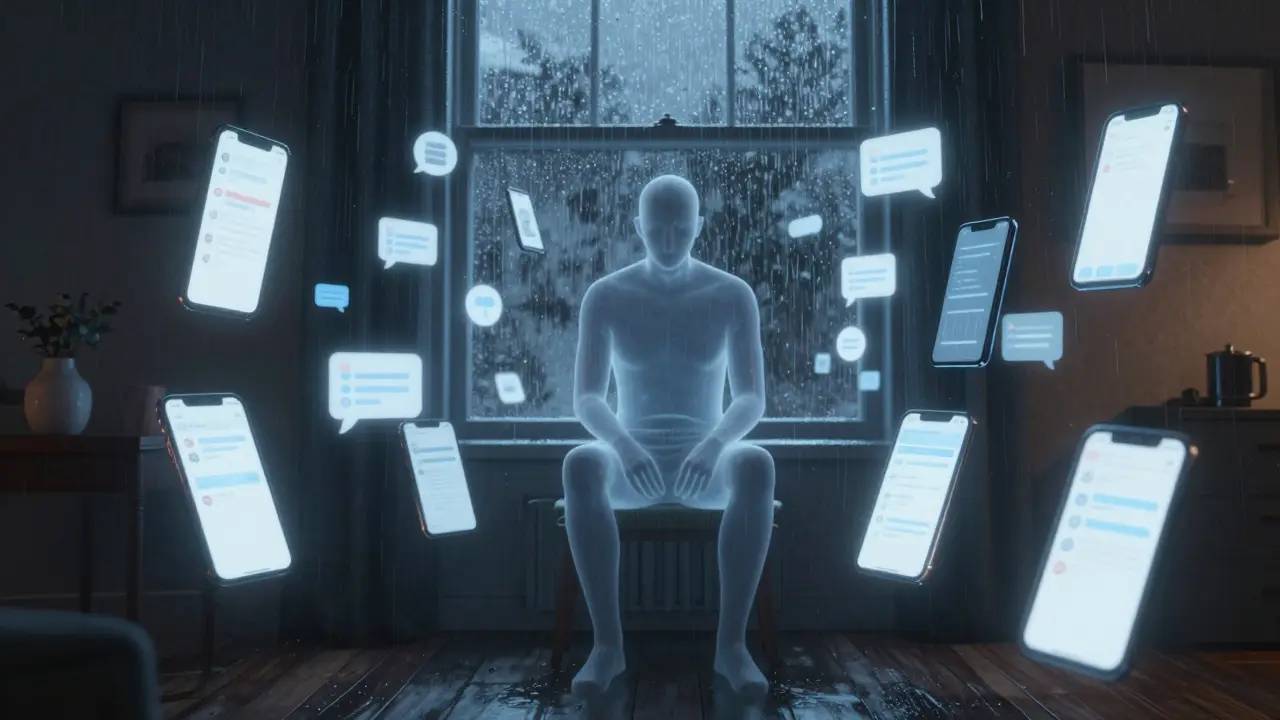
The Hidden Cost of Constant Connectivity
We are living through a paradox. We have more tools than ever to connect, organize, and automate our lives, yet we feel more exhausted, anxious, and disconnected than previous generations. In Birmingham, where the rain seems to match the mood of a Tuesday afternoon, or in the bustling hubs of London and New York, the complaint is universal: "I'm just so tired." But this isn't normal fatigue from physical labor. This is the drain of chronic stress, a persistent state of physiological arousal that wears down the body's resources over time.
The problem isn't just that we have too much to do. It's that our brains haven't evolved to handle the specific type of pressure we face today. Our ancestors dealt with acute threats-a lion chasing them, a storm approaching. Once the threat passed, their nervous systems could reset. Today, the "lion" is an email that demands a reply in five minutes, a notification that implies social rejection, or the looming deadline of a quarterly report. The threat never truly passes. We are stuck in a loop of alertness.
Why Traditional Coping Mechanisms Fail
You've probably tried the standard advice. Take a vacation. Go for a run. Drink more water. These things help, but they often fail to address the root cause because they treat stress as a surface-level symptom rather than a systemic issue. If you take a week off work but check your phone every hour, your brain doesn't register safety. It stays on high alert.
The old model of stress management was about endurance. You gritted your teeth, powered through, and collapsed later. That model worked when stress was intermittent. Now that stress is continuous, endurance is no longer a strategy; it's a path to burnout. We need a new approach-one that focuses not on pushing harder, but on regulating our internal state. This is what experts call nervous system regulation, the ability to consciously influence your autonomic nervous system to move from a state of fight-or-flight to rest-and-digest.
The Science of the "New Age" Approach
Don't let the term "New Age" fool you into thinking this is all crystals and incense. While those practices can be soothing, the core of modern stress reduction is rooted in hard neuroscience. It’s about understanding how your body responds to perceived danger and learning to hack that response.
When you feel stressed, your amygdala-the brain's alarm bell-sends a signal to your hypothalamus. This triggers the release of hormones like cortisol, a steroid hormone released by the adrenal glands in response to stress, which increases blood sugar and suppresses non-essential functions and adrenaline. Your heart rate spikes, your muscles tense, and your digestion slows down. This is the "fight or flight" response. It’s brilliant for escaping a predator. It’s terrible for sitting in a traffic jam or staring at a spreadsheet.
The "new age" solution is simply the application of ancient wisdom through the lens of modern science. Techniques that were once dismissed as woo-woo are now being validated in labs. Breathwork isn't just spiritual; it mechanically stimulates the vagus nerve, which tells your heart to slow down. Meditation isn't just about emptiness; it physically thickens the prefrontal cortex, the part of your brain responsible for decision-making and emotional regulation.
Digital Minimalism: Reclaiming Your Attention
One of the biggest drivers of modern stress is the fragmentation of attention. We are constantly switching contexts. A study published in the journal *Nature* found that it takes an average of 23 minutes to fully refocus after an interruption. If you're interrupted every few minutes, you never enter a state of deep flow. You stay in a shallow, reactive mode.
Digital minimalism, a philosophy of technology use that focuses on curating your digital environment to support your values and reduce cognitive load is a practical tool for stress reduction. It doesn't mean throwing away your smartphone. It means being intentional about how you use it.
- Turn off non-human notifications: Keep calls and texts from real people. Turn off news alerts, app updates, and social media pings. Let them come to you on your schedule, not theirs.
- Create phone-free zones: Make your bedroom a sanctuary. No screens in bed. This improves sleep quality, which is directly linked to stress resilience.
- Batch your communication: Instead of checking email every 10 minutes, set three specific times a day to process messages. This reduces the constant context-switching that drains your mental energy.
Movement as Medicine
We don't need to become marathon runners to benefit from movement. In fact, intense, high-stress workouts can sometimes add to the burden if your body is already flooded with cortisol. The goal is to move in ways that help your body process stress hormones, not create more of them.
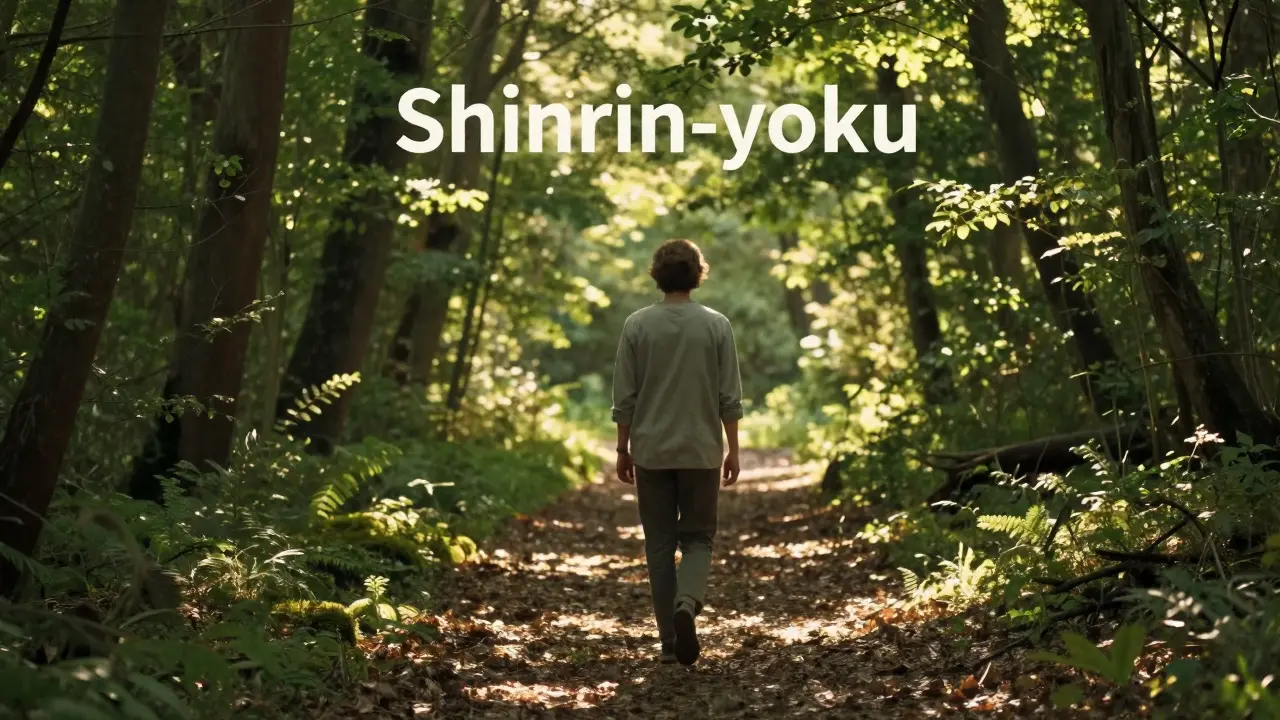
Walking is arguably the most underrated stress reducer. A 20-minute walk outside, especially in green spaces (what researchers call "forest bathing" or Shinrin-yoku, a Japanese practice of immersing oneself in nature to promote health and well-being), has been shown to lower cortisol levels significantly. It combines mild physical activity with sensory engagement, pulling your focus out of your head and into your surroundings.
If you prefer structure, yoga or Tai Chi are excellent options. They combine movement with breath control, forcing you to synchronize your body and mind. This synchronization is key to calming the nervous system. You don't need to be flexible to benefit; you just need to show up.
The Power of Micro-Habits
You don't need a complete lifestyle overhaul to reduce stress. In fact, trying to change everything at once is a recipe for failure. Small, consistent changes yield better results. Think of these as micro-habits.
| Habit | Time Required | Physiological Benefit |
|---|---|---|
| Box Breathing | 2 minutes | Activates the parasympathetic nervous system, lowering heart rate immediately. |
| Cold Exposure | 30 seconds | A cold shower splash triggers the dive reflex, slowing metabolism and calming anxiety. |
| Gratitude Journaling | 5 minutes | Shifts focus from threat detection to appreciation, rewiring neural pathways over time. |
| Progressive Muscle Relaxation | 10 minutes | Releases physical tension held in muscles, signaling safety to the brain. |
Box breathing, used by Navy SEALs to stay calm under pressure, is simple: inhale for four seconds, hold for four, exhale for four, hold for four. Repeat. It’s a mechanical switch that flips your body from panic to calm. Try it before a meeting, during a commute, or when you wake up feeling anxious.

Social Connection: The Antidote to Isolation
Modern life is isolating. We have hundreds of online friends but often lack someone to call in a crisis. Loneliness is a significant stressor, comparable to smoking 15 cigarettes a day in terms of health risk. Social connection, meaningful interactions with others that provide emotional support and a sense of belonging is a potent buffer against stress.
This doesn't mean you need to host dinner parties. It means prioritizing quality over quantity. Have a coffee with a friend without looking at your phones. Join a local club, whether it's a book group in Birmingham or a hiking trail in the Peak District. The act of shared experience releases oxytocin, a hormone that counteracts cortisol and promotes feelings of trust and safety.
Setting Boundaries: The Art of Saying No
Many of us are people-pleasers. We say yes to extra projects, social invitations, and favors even when we're overwhelmed. This erodes our sense of control, which is a key factor in stress. When you feel like you have no choice, you feel powerless. Powerlessness breeds anxiety.
Setting boundaries isn't selfish; it's necessary for sustainability. It means defining what you will and won't accept. It might look like leaving the office at 6 PM sharp, regardless of whether your inbox is empty. It might mean declining an invitation because you need rest. People who respect you will understand. Those who don't reveal their true intentions. Either way, you win.
Nutrition and Gut Health
Your gut is often called your "second brain" because it houses millions of neurons connected to your brain via the vagus nerve. What you eat directly impacts your mood and stress levels. High-sugar diets cause blood sugar spikes and crashes, leading to irritability and fatigue. Caffeine, while useful in moderation, can exacerbate anxiety by stimulating the sympathetic nervous system.
Focusing on whole foods-vegetables, lean proteins, healthy fats-provides steady energy. Fermented foods like yogurt, kefir, and sauerkraut support gut bacteria, which produce neurotransmitters like serotonin. A healthy gut contributes to a calm mind. It’s not magic; it’s biology.
How quickly can I expect to see results from stress reduction techniques?
Some techniques, like box breathing or taking a short walk, can provide immediate relief by lowering your heart rate and calming your nervous system within minutes. However, long-term resilience requires consistency. Most people notice significant improvements in their overall mood and energy levels after practicing these habits daily for two to four weeks. It's about training your brain, similar to building muscle.
Is meditation really effective for everyone?
Meditation is highly effective for many, but it's not one-size-fits-all. Some people find silent meditation frustrating because their minds are too active. If that's you, try guided meditations, mindful walking, or body scan exercises. The goal isn't to stop your thoughts, but to observe them without judgment. Finding the right style is key to making it a sustainable practice.
Can exercise make stress worse?
Yes, if you're already chronically stressed, intense high-intensity interval training (HIIT) or heavy weightlifting can add additional physical stress to your body, raising cortisol levels further. If you're feeling burnt out, opt for low-to-moderate intensity activities like walking, gentle yoga, or swimming. These promote recovery and relaxation without overtaxing your system.
What is the role of sleep in stress management?
Sleep is foundational. During deep sleep, your body repairs itself and processes emotions. Lack of sleep impairs your prefrontal cortex, making you more reactive and less able to regulate emotions. Prioritizing 7-9 hours of quality sleep is the single most effective thing you can do to build stress resilience. Establish a consistent bedtime routine and keep your bedroom cool and dark.
How do I start implementing digital minimalism?
Start small. Delete social media apps from your phone and only access them via a computer browser. This adds friction, reducing mindless scrolling. Turn off all non-essential notifications. Designate one hour each day as a "phone-free" period. Gradually expand this time as you become more comfortable with disconnection. The goal is to regain control over your attention.