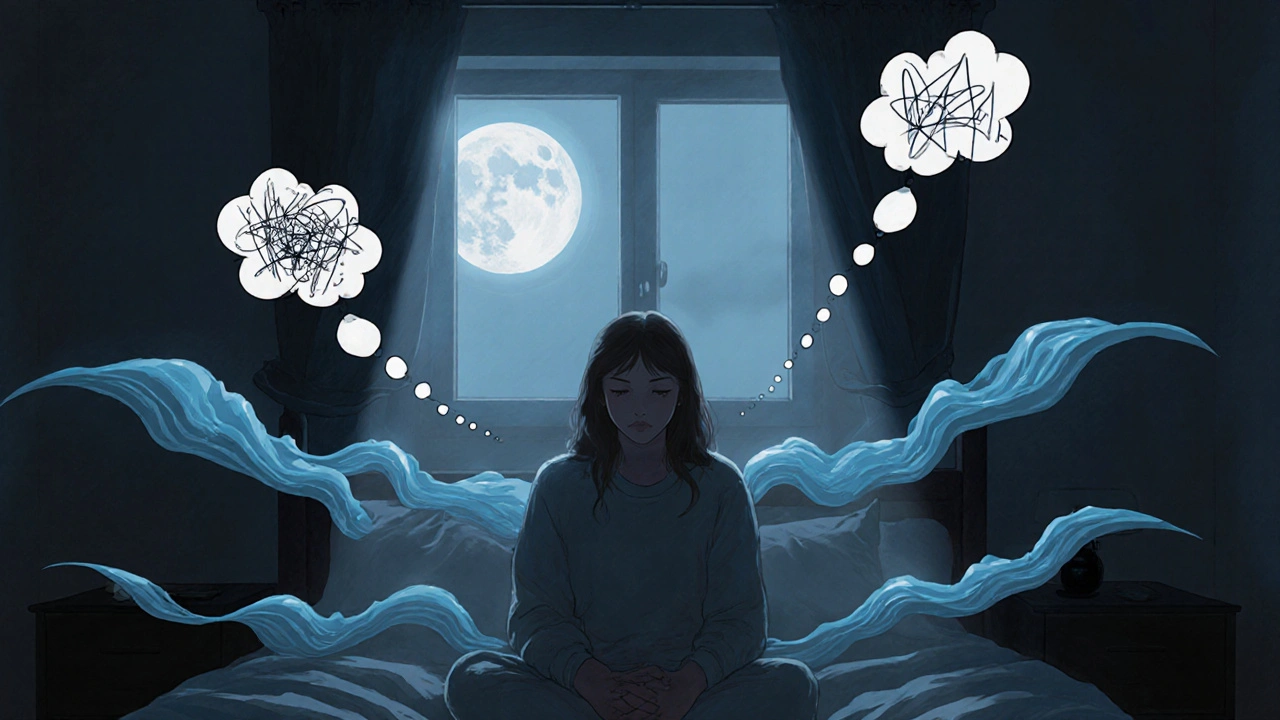
Emotional Regulation: How to Manage Feelings and Stay Calm Under Pressure
When you feel overwhelmed, angry, or shut down, it’s not weakness—it’s your nervous system asking for help. Emotional regulation, the ability to notice, understand, and respond to your feelings in a way that helps, not hurts. Also known as emotion management, it’s not about suppressing emotions—it’s about learning how to ride them without drowning. This skill isn’t something you’re born with or without. It’s built, like muscle, through practice. And the good news? You don’t need therapy sessions or expensive tools to start.
People who master emotional regulation don’t avoid stress—they handle it better. They pause before snapping. They breathe when anxiety spikes. They don’t let a bad day ruin a week. And the methods they use? They’re simpler than you think. Mindfulness, paying attention to the present without judgment is one of the most proven ways to build this skill. Studies show that just five minutes a day of focused breathing can lower cortisol and quiet the mental noise. Then there’s creative arts therapies, using art, music, movement, or writing to express what words can’t. You don’t need to be talented—you just need to be honest. A sketch, a drumbeat, a journal entry—these aren’t hobbies. They’re tools for releasing pressure before it explodes.
Emotional regulation isn’t just about feeling better. It affects your sleep, your relationships, your work, even your digestion. When you’re constantly flooded with stress, your gut suffers. Your focus cracks. Your immune system weakens. That’s why so many posts here connect emotional regulation to gut health, productivity, and sleep. You can’t fix your body if your mind is in chaos. And that’s why the collection below isn’t just about feeling calm—it’s about rebuilding your whole system from the inside out.
You’ll find guides on using music to calm anxiety, how to turn art into a daily reset, why laughter is a secret weapon against stress, and how to use simple breathing tricks to stop panic before it starts. There’s no fluff here—just real methods people use every day to stop spiraling and start showing up as themselves. Whether you’re dealing with trauma, burnout, or just the daily grind, these tools are for you. No magic. No quick fixes. Just clear, doable steps that add up over time.