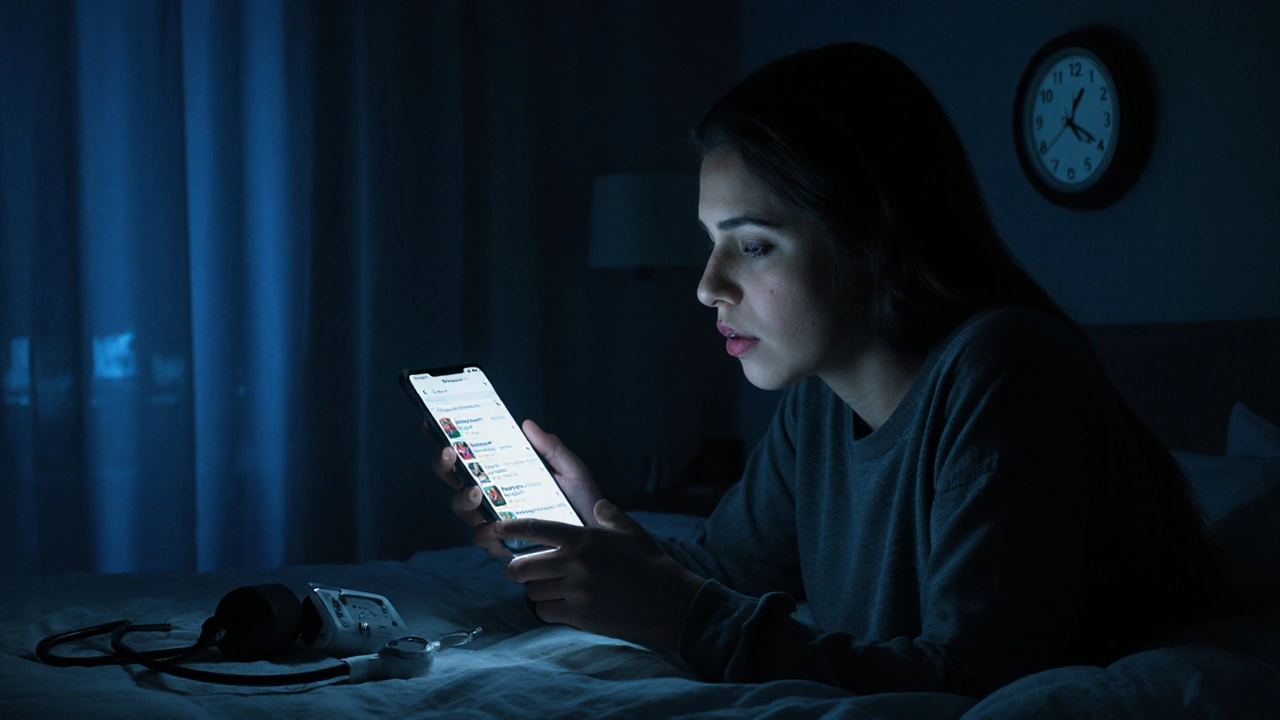
Health Obsession: When Caring for Yourself Becomes Too Much
When health obsession, an intense, often unhealthy fixation on achieving perfect health through rigid rules and constant monitoring takes over, it stops being about feeling good and starts being about control. It’s not the same as being proactive about your well-being. It’s the person who tracks every calorie, avoids social dinners because the menu isn’t ‘clean,’ or feels guilty for missing a morning meditation. This isn’t wellness—it’s a hidden form of stress disguised as self-care.
What makes health obsession dangerous is how easily it hides behind good intentions. People think they’re being responsible when they’re actually trapped in a cycle of fear—fear of sugar, fear of germs, fear of aging, fear of not being ‘perfect.’ This isn’t just about diet or exercise. It ties into mental health, the state of emotional and psychological well-being that affects how we think, feel, and act. Studies show that people with orthorexia—a fixation on ‘healthy’ eating—are more likely to experience anxiety and depression. The same goes for those who turn meditation into a performance metric or treat calmness like a checklist item. When you start measuring your worth by how many greens you ate or how long you sat still, you’ve crossed a line.
Wellness culture, a societal trend that promotes health as a moral ideal, often through commercialized routines and idealized lifestyles feeds this. Social media, influencers, and apps make it seem like the only way to be healthy is to follow a strict, expensive, one-size-fits-all plan. But real health isn’t about perfection. It’s about balance. It’s about listening to your body—not punishing it. It’s about eating a cookie without guilt, skipping a workout when you’re tired, or saying no to a juice cleanse because you just want to rest. The posts here don’t push you to do more. They help you recognize when you’re doing too much. You’ll find guides on mindful eating that don’t shame you, meditation practices that honor your limits, and ways to build habits that fit your life—not the other way around.
If you’ve ever felt exhausted from trying to be healthy, you’re not broken. You’re responding to a system that turned care into a competition. The goal isn’t to stop caring—it’s to care differently. To stop chasing a fantasy of perfect health and start building a life that feels sustainable, kind, and truly yours. Below, you’ll find real stories and science-backed tips that help you untangle the noise and find peace in your own rhythm—not someone else’s checklist.