
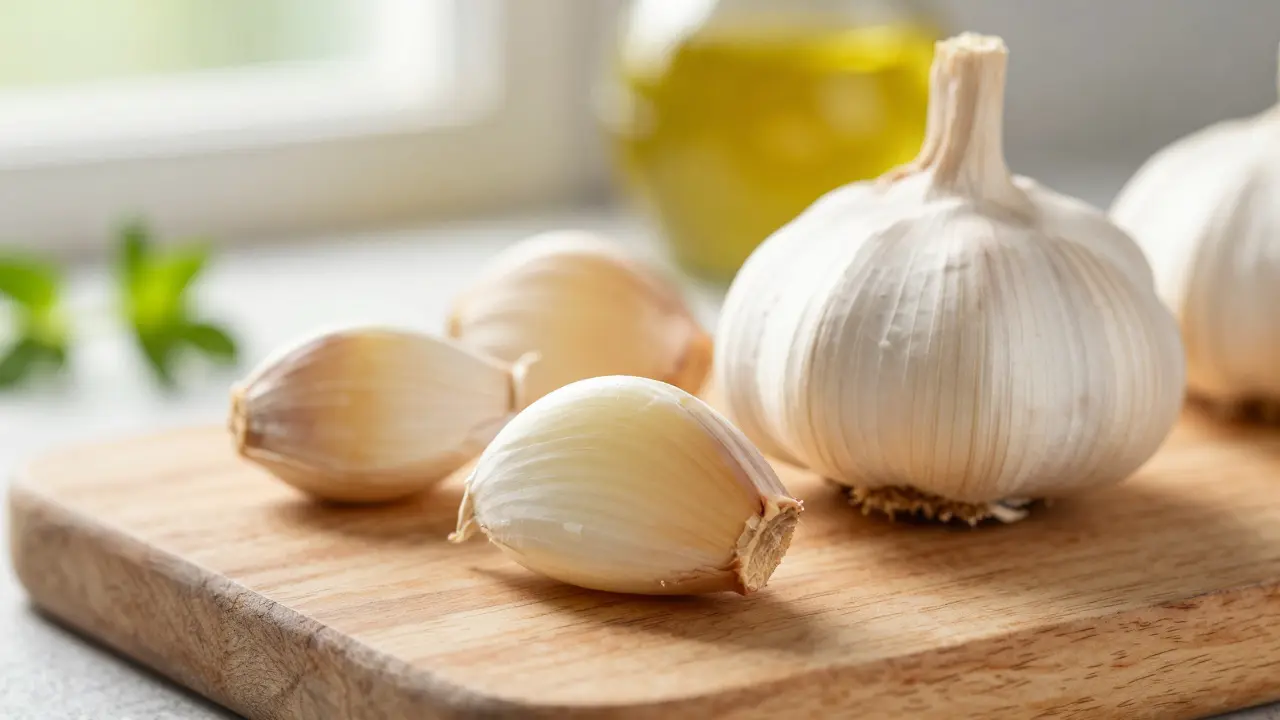
It sits in the produce aisle, wrapped in paper or mesh, often ignored until a recipe calls for it. But garlic is far more than a kitchen staple for adding flavor to pasta or steak. It is a potent biological powerhouse that has been used for thousands of years in traditional medicine across cultures from ancient Egypt to traditional Chinese medicine. Today, modern science is catching up with folklore, confirming that this pungent bulb delivers significant health benefits ranging from cardiovascular protection to immune system boosting.
If you are looking for a simple, affordable way to support your long-term health, garlic deserves a permanent spot on your shopping list. Unlike synthetic supplements that can have side effects, garlic offers a complex profile of nutrients and bioactive compounds that work synergistically. However, getting those benefits requires knowing how to prepare and consume it correctly. Chopping it raw and letting it sit? Cooking it gently? Taking an aged extract? The method matters just as much as the ingredient itself.
The Science Behind the Smell: Allicin and Beyond
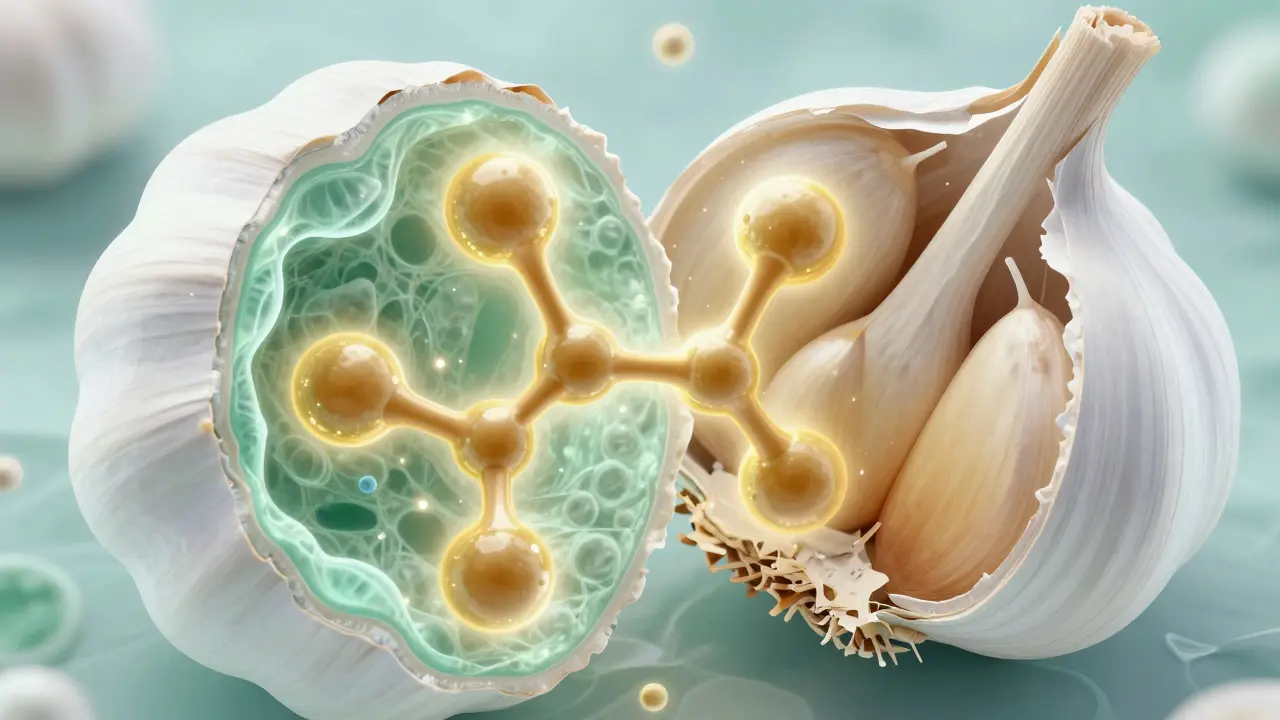
To understand why garlic is considered a natural superfood, we need to look at its chemistry. Fresh garlic cloves contain an amino acid derivative called alliin. When you crush, chop, or chew a clove, an enzyme called alliinase mixes with alliin. This reaction creates allicin, the compound responsible for garlic’s distinctive odor and most of its medicinal properties.
Allicin is unstable. It breaks down quickly into other sulfur-containing compounds like diallyl disulfide and S-allyl cysteine (SAC). These derivatives are what actually enter your bloodstream and provide therapeutic effects. This is crucial because it means that simply swallowing a whole clove won’t do much; you must break the cell walls to activate the chemistry. Furthermore, high heat destroys the alliinase enzyme, which is why cooking methods play a critical role in preserving these benefits.
- Alliin: The precursor molecule stored intact in fresh garlic cells.
- Allicin: The active antimicrobial agent formed upon crushing.
- S-Allyl Cysteine (SAC): A stable, water-soluble compound found in aged garlic extract that supports circulation.
- Vitamin B6: Essential for brain development and function.
- Manganese: Important for bone health and metabolism.
Heart Health: Lowering Blood Pressure and Cholesterol
Cardiovascular disease remains one of the leading causes of death globally, making dietary interventions for heart health incredibly valuable. Research suggests that garlic can act as a gentle but effective ally for your heart. Several meta-analyses have shown that consistent garlic supplementation can lead to modest reductions in blood pressure, particularly in individuals with hypertension. The effect is comparable to some standard medications, though less potent, making it a great complementary strategy rather than a replacement for prescribed treatment.
Beyond blood pressure, garlic influences cholesterol levels. It appears to help lower total cholesterol and LDL (the "bad" cholesterol) without significantly affecting HDL (the "good" cholesterol). The mechanism involves inhibiting enzymes involved in cholesterol synthesis in the liver. For someone managing borderline high cholesterol through diet, adding two to three cloves of raw garlic daily could contribute to better lipid profiles over time.
| Health Metric | Effect of Garlic Consumption | Key Compound Involved |
|---|---|---|
| Systolic Blood Pressure | Modest reduction (5-10 mmHg in hypertensive patients) | Hydrogen sulfide release |
| LDL Cholesterol | Decrease by 10-15% | Allicin metabolites |
| Arterial Stiffness | Improved elasticity | S-Allyl Cysteine (SAC) |
| Blood Clotting | Reduced platelet aggregation | Adenosine diphosphate inhibition |
Boosting the Immune System Naturally
We all know that feeling when a cold is coming on-the scratchy throat, the slight fatigue. Garlic has long been touted as a remedy to shorten the duration and severity of upper respiratory infections. Studies indicate that people who take garlic supplements daily are less likely to catch a cold, and if they do, their symptoms last shorter periods. One notable study found that participants taking a standardized garlic extract experienced a 63% reduction in the total number of colds compared to a placebo group.
The immune-boosting capability comes from garlic’s ability to stimulate the activity of natural killer cells and macrophages, which are white blood cells that identify and destroy infected or cancerous cells. Additionally, its broad-spectrum antimicrobial properties help fight off bacteria, viruses, fungi, and even parasites. While it isn’t a cure-all, incorporating garlic into your diet during flu season is a smart, low-risk preventive measure.
Antioxidant Protection and Longevity
Oxidative stress occurs when there is an imbalance between free radicals and antioxidants in your body. Free radicals damage cells, contributing to aging and diseases like Alzheimer’s. Garlic contains powerful antioxidants that protect against cellular damage. In animal studies, garlic supplements increased antioxidant enzymes while reducing oxidative damage in the brain.
This neuroprotective effect is promising for cognitive health. Some research suggests that regular garlic consumption may reduce the risk of dementia and Alzheimer’s disease by preventing plaque buildup in the brain. While human trials are still ongoing, the presence of selenium and vitamin E alongside sulfur compounds makes garlic a strong candidate for supporting long-term brain health.
Digestive Health and Gut Microbiome
Your gut health is intimately connected to your overall well-being, influencing everything from mood to immunity. Garlic acts as a prebiotic, meaning it feeds the beneficial bacteria in your gut, such as Lactobacillus and Bifidobacteria. These good bacteria produce short-chain fatty acids that strengthen the gut lining and reduce inflammation.
However, garlic can be tricky for some people. It is high in fructans, a type of carbohydrate that is difficult to digest for individuals with Irritable Bowel Syndrome (IBS) or FODMAP sensitivities. If you experience bloating or gas after eating garlic, you might consider using garlic-infused oil, where the fructans are removed, or sticking to small amounts of cooked garlic, which is generally easier to tolerate than raw.
How to Prepare Garlic for Maximum Benefit
Not all garlic preparations are created equal. How you handle the clove determines how many beneficial compounds you actually ingest. Here is the golden rule: Crush or chop the garlic, then let it sit for 10 minutes before cooking or eating.
This waiting period allows the alliinase enzyme enough time to convert alliin into allicin. If you cook the garlic immediately after chopping, the heat deactivates the enzyme, and you lose most of the allicin potential. By letting it rest, you ensure the chemical reaction completes.
- Raw Garlic: Offers the highest concentration of allicin. Add crushed raw garlic to salads, smoothies, or dressings. Start with half a clove to avoid stomach upset.
- Cooked Garlic: Gentler on the stomach and still retains many benefits, especially if added at the end of the cooking process. Roasting garlic mellows the flavor but reduces allicin content significantly.
- Aged Garlic Extract: A popular supplement form that lacks allicin but is rich in SAC. It is odorless and excellent for long-term cardiovascular support without the digestive irritation of raw garlic.
- Garlic Powder: Convenient but often lacks the enzymatic activity of fresh garlic unless specifically processed to retain it. Check labels for "activated" or "enzymatically stable" claims.
Potential Side Effects and Precautions
While garlic is generally safe, it is not without risks. The most common complaints are bad breath and body odor, caused by sulfur compounds entering the bloodstream and being exhaled through the lungs and pores. Chewing parsley or drinking green tea can help neutralize the smell temporarily.
More seriously, garlic has blood-thinning properties. If you are taking anticoagulant medications like warfarin or aspirin, consuming large amounts of garlic could increase the risk of bleeding. Always consult your doctor before adding high-dose garlic supplements to your regimen if you have a scheduled surgery or are on blood thinners. Additionally, excessive raw garlic can irritate the stomach lining, leading to heartburn or nausea in sensitive individuals.
Incorporating Garlic into Your Daily Diet
You don’t need to eat entire bulbs to reap the rewards. Just one to two cloves per day is sufficient for most health benefits. Here are some easy ways to integrate it:
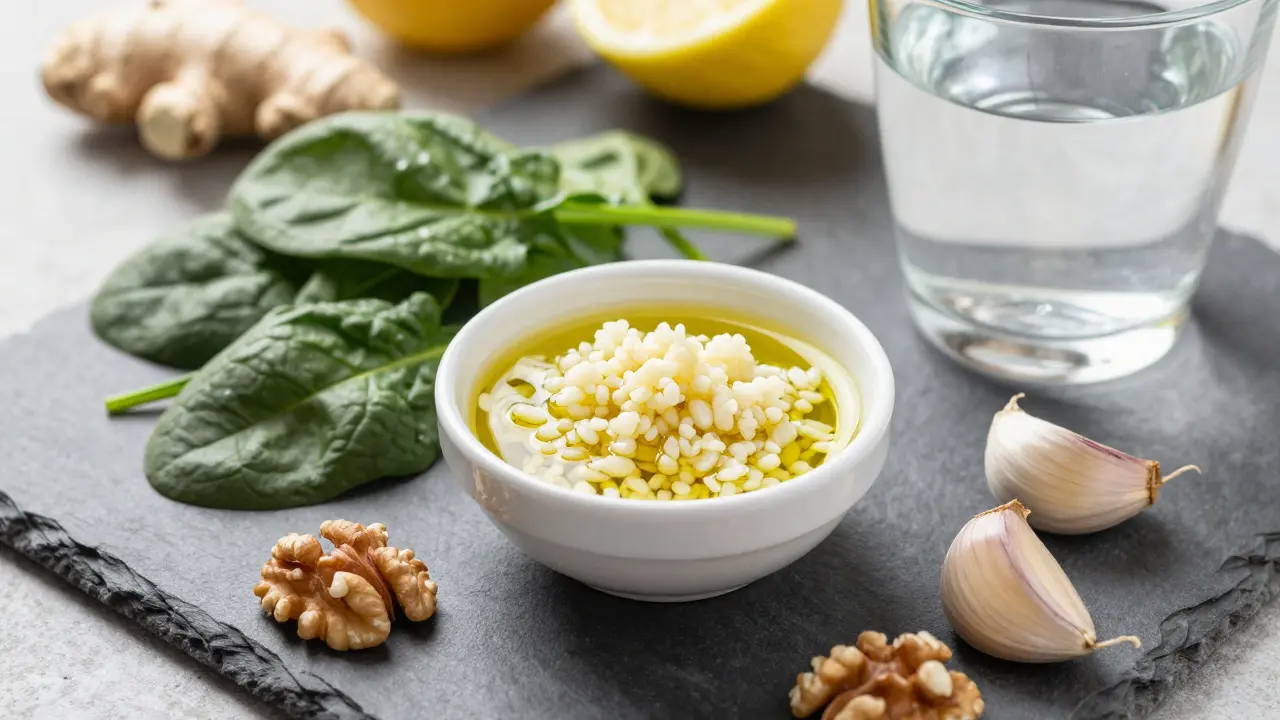
- Morning Smoothie: Blend a small piece of raw garlic with ginger, lemon, and apple juice. The strong flavors mask the garlic taste.
- Salad Dressing: Mince fresh garlic and let it sit for 10 minutes, then whisk into olive oil and vinegar.
- Sautéed Veggies: Add chopped garlic to your stir-fry in the last minute of cooking to preserve some allicin while softening the bite.
- Supplements: If you dislike the taste or smell, aged garlic extract capsules are a reliable alternative backed by clinical data.
Garlic is a humble ingredient with extraordinary capabilities. By understanding its chemistry and preparing it correctly, you can turn a simple kitchen staple into a powerful tool for heart health, immunity, and longevity. It’s a small change with potentially big returns for your well-being.
Does cooking garlic destroy its health benefits?
Cooking garlic does reduce the amount of allicin, the primary active compound, because heat deactivates the alliinase enzyme needed to create it. However, cooked garlic still retains other beneficial sulfur compounds and antioxidants. To maximize benefits, crush the garlic and let it sit for 10 minutes before applying heat. Adding garlic at the end of the cooking process also helps preserve more nutrients.
Can I eat too much garlic?
Yes, consuming excessive amounts of raw garlic can cause digestive issues like heartburn, nausea, and diarrhea. It can also lead to bad breath and body odor. More importantly, high doses may increase bleeding risk due to its blood-thinning properties. Stick to 1-2 cloves per day unless advised otherwise by a healthcare provider.
Is black garlic healthier than regular garlic?
Black garlic is fermented garlic that has a sweeter, molasses-like flavor. The fermentation process increases antioxidant levels and creates unique compounds like melanoidins. While it lacks the sharp allicin punch of raw garlic, it offers superior antioxidant capacity and is gentler on the stomach. Both forms have distinct health advantages.
Who should avoid garlic supplements?
People taking blood-thinning medications (like warfarin or aspirin), those with upcoming surgeries, and individuals with severe GERD or ulcers should consult their doctor before taking garlic supplements. Pregnant and breastfeeding women should also seek medical advice before using concentrated garlic extracts.
How long does it take for garlic to lower blood pressure?
Studies suggest that noticeable effects on blood pressure may take several weeks of consistent daily consumption. Most clinical trials show significant results after 8 to 12 weeks of taking standardized garlic supplements or consuming fresh garlic regularly. It is not an immediate fix but a long-term supportive strategy.