

Have you ever felt like your head was going to explode from holding everything in? You are not alone. In a world that never stops demanding our attention, finding a quiet corner to process our thoughts is rare. But there is a simple, free tool that has been helping people heal for centuries: journaling. It’s not just about keeping a diary; it’s an active practice of writing down your thoughts, feelings, and experiences to improve your mental and physical health.
What Exactly Is Therapeutic Journaling?
When we talk about the health benefits of journaling, we aren’t talking about listing your grocery items or logging every step you take. We are talking about expressive writing. This is a specific type of journaling where you write openly and honestly about your deepest emotions and experiences. Research suggests that this practice can actually rewire how your brain handles stress.
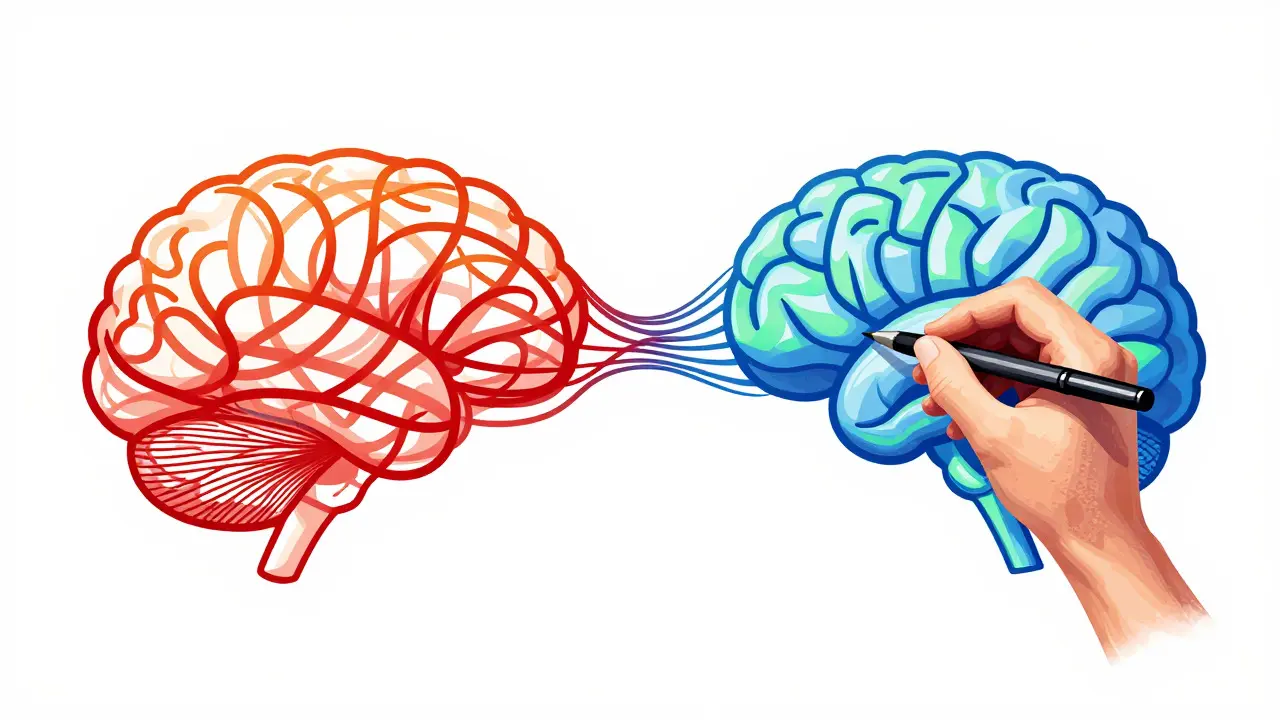
Think of your mind as a browser with too many tabs open. Journaling is the act of closing those tabs one by one. By putting words to abstract feelings, you move information from the emotional center of your brain (the amygdala) to the logical center (the prefrontal cortex). This shift helps you gain perspective and reduces the intensity of negative emotions.
The Mental Health Impact: Clarity and Emotional Release
One of the most immediate benefits of journaling is emotional regulation. When you are overwhelmed, your thoughts often feel chaotic and tangled. Writing them down forces you to slow down and organize these thoughts. This process, known as externalization, takes the problem out of your head and puts it on paper. Once it’s on paper, it becomes something you can look at, analyze, and solve rather than something that consumes you.
Consider Sarah, a marketing manager who struggled with chronic anxiety. She started spending ten minutes each morning writing about her worries before checking her email. Within three weeks, she noticed she wasn't ruminating on work issues during dinner. The act of "dumping" her brain onto the page created a mental boundary between her work stress and her personal life.
- Reduces Rumination: Stops the cycle of repetitive negative thinking.
- Enhances Self-Awareness: Helps you identify triggers and patterns in your behavior.
- Improves Mood: Provides a safe outlet for frustration, anger, and sadness.
Physical Health Surprises: From Immunity to Blood Pressure
You might think writing is only good for your mind, but the connection between mental state and physical health is undeniable. Studies have shown that regular expressive writing can lead to tangible physical improvements. For instance, participants in clinical trials often show improved liver function and stronger immune responses after consistent journaling practices.
Why does this happen? Chronic stress keeps your body in a "fight or flight" mode, releasing cortisol and adrenaline. Over time, this wears down your body, leading to high blood pressure, weakened immunity, and digestive issues. Journaling acts as a brake on this stress response. By processing emotions, you lower your physiological arousal, allowing your body to enter a state of rest and repair.
| Feature | Traditional Diary | Expressive Journaling |
|---|---|---|
| Focus | Daily events, facts, schedule | Deep emotions, traumatic events, inner conflicts |
| Structure | Chronological, linear | Stream of consciousness, non-linear |
| Goal | Record memory | Emotional processing and healing |
| Health Impact | Mild stress relief | Significant improvement in mental and physical markers |
Cognitive Benefits: Boosting Memory and Creativity
Journaling isn't just therapy; it's also a workout for your brain. The act of recalling details and organizing them into coherent sentences strengthens neural pathways associated with memory and language. People who journal regularly often report better focus and clearer decision-making skills.
Furthermore, writing freely unlocks creativity. When you stop worrying about grammar or spelling and just let the words flow, you access different parts of your brain. This "free writing" technique can help break through creative blocks in other areas of your life, whether you're an artist, a writer, or someone trying to solve a complex problem at work.
How to Start: Practical Tips for Beginners
If you’ve never journaled before, the blank page can be intimidating. Here is how to start without feeling overwhelmed:
- Set a Timer: Commit to just 10-15 minutes a day. Consistency matters more than duration.
- No Rules: Forget about perfect handwriting or correct grammar. If you make a mistake, keep writing. If you run out of things to say, write "I don't know what to write" until new thoughts emerge.
- Choose Your Medium: Some people prefer the tactile feel of pen and paper, which can enhance memory retention. Others find digital apps more convenient. Pick what feels most comfortable for you.
- Use Prompts: If you’re stuck, use prompts like "What am I afraid of right now?" or "What made me feel alive today?"

Pitfalls to Avoid
While journaling is powerful, it can backfire if done incorrectly. One common mistake is using journaling as a place to vent endlessly without resolution. If you spend every session complaining about the same issue without exploring solutions or perspectives, you may reinforce negative thought patterns. Aim for a balance between expression and reflection.
Another pitfall is perfectionism. Don't judge your writing. It’s not for an audience; it’s for you. The goal is honesty, not literary excellence.
Integrating Journaling Into Your Daily Routine
To reap the long-term health benefits, journaling needs to become a habit. Try linking it to an existing routine. Write first thing in the morning to set your intentions for the day, or write before bed to clear your mind for sleep. Many people find that evening journaling helps them fall asleep faster by clearing away the day's residual stress.
Remember, healing through words is a journey. It doesn’t happen overnight. But with consistent practice, you’ll likely find that you’re not just recording your life-you’re actively improving it.
How long does it take to see health benefits from journaling?
Most studies suggest that noticeable improvements in mood and stress levels can occur within two to four weeks of consistent practice. Physical health benefits, such as improved immune function, may take longer, often requiring several months of regular expressive writing sessions.
Is digital journaling as effective as writing by hand?
Both methods are effective, but they offer different benefits. Handwriting engages motor skills and may enhance memory retention and mindfulness. Digital journaling offers convenience, searchability, and privacy features. The best method is the one you will stick with consistently.
Can journaling replace therapy?
Journaling is a powerful complementary tool but is generally not a replacement for professional therapy, especially for severe trauma or mental health disorders. It works best when used alongside professional guidance to process deep-seated issues.
What should I do if I feel worse after journaling?
It is normal to feel temporarily upset when confronting difficult emotions. However, if you consistently feel worse, try shifting your focus to gratitude or positive reflections. You can also close your journal earlier or seek support from a therapist to help navigate intense emotions.
Are there specific prompts for anxiety relief?
Yes, effective prompts include "What is worrying me right now, and what is within my control?", "List three things that went well today," and "Describe a safe place in detail." These prompts help ground you in the present moment and shift focus from fear to reality.