
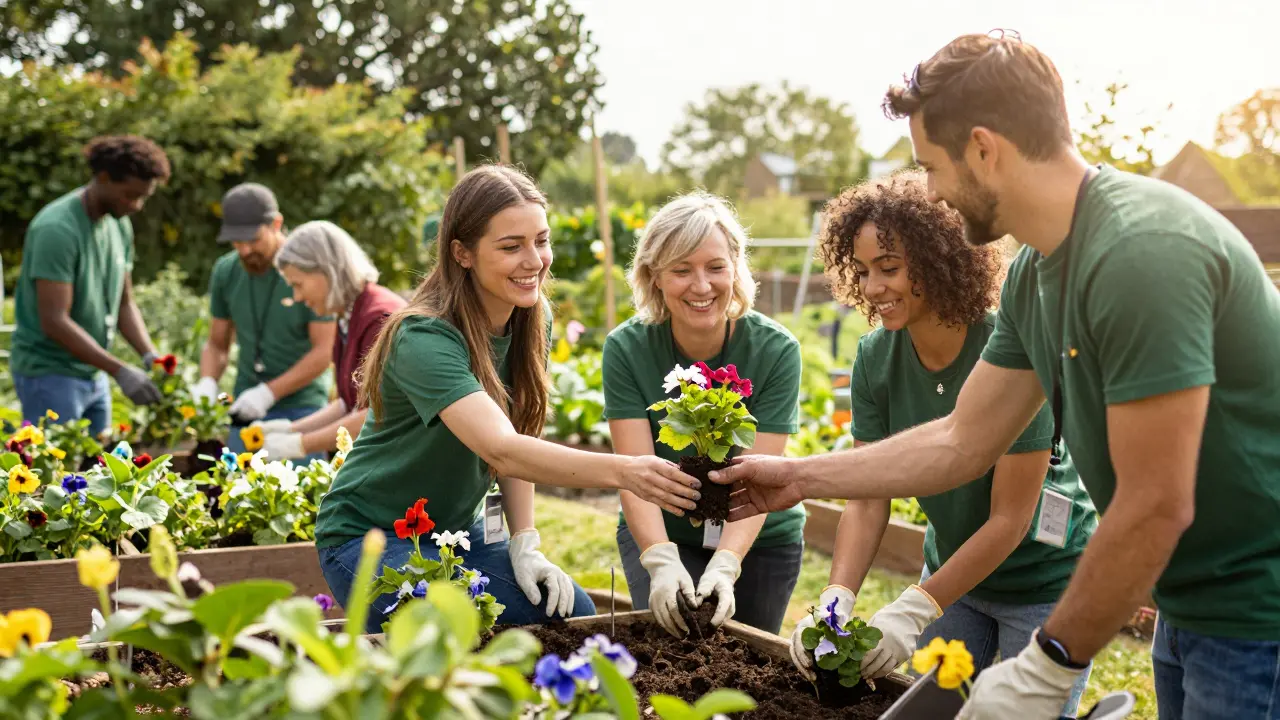
The Hidden Power of Helping Others
You might think that spending your Saturday morning cleaning a park or sorting food at a shelter takes away from your own well-being. It feels like you are giving time, energy, and effort to everyone else while neglecting yourself. But here is the twist: helping others is one of the most effective ways to heal yourself. Volunteering is unpaid work done for the benefit of others or the community, and research shows it acts as a powerful medicine for both your mind and body. This isn't just about feeling good because you did something nice. It is about measurable changes in your brain chemistry, heart rate, and stress levels.
We often treat self-care as solitary activities-yoga mats, meditation apps, or expensive spa days. While those have their place, they lack a crucial ingredient: purpose. When you step outside your own bubble to help someone else, you trigger a biological response that solitary relaxation cannot match. You lower your risk of depression, reduce inflammation, and even extend your lifespan. Let's look at exactly how this works and why adding service to your routine might be the best health decision you make this year.
The "Helper's High": What Happens in Your Brain
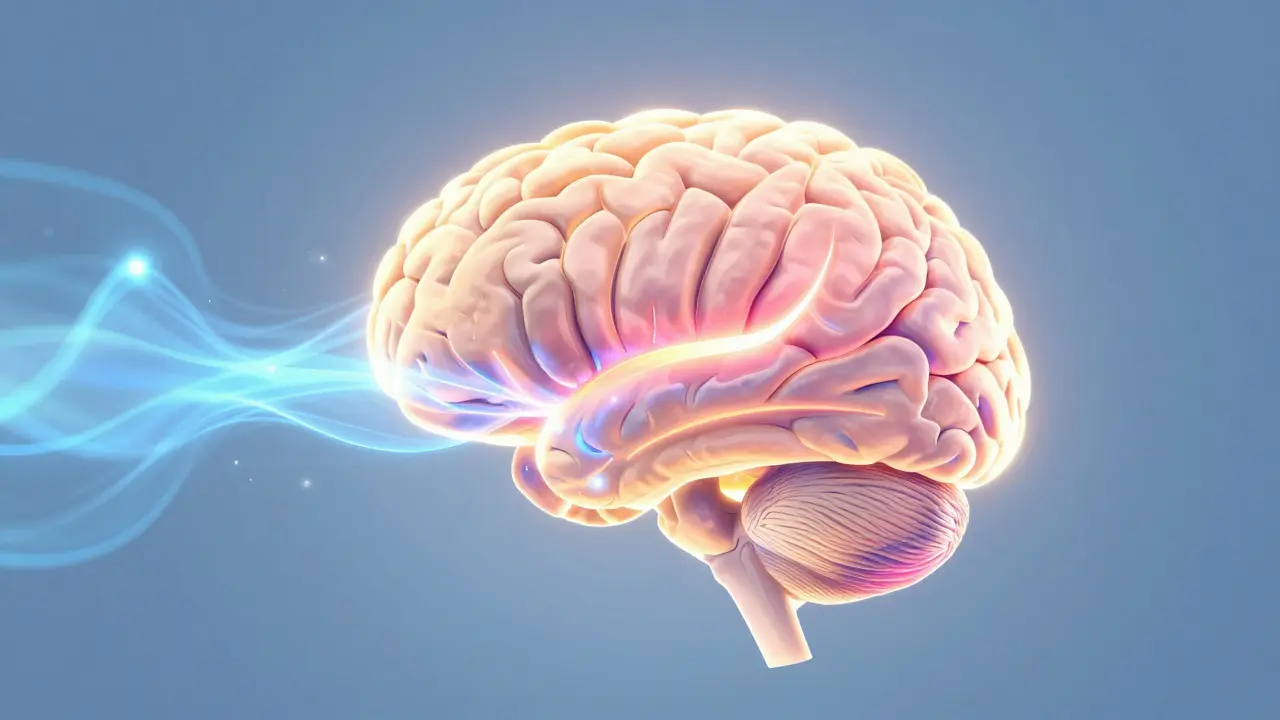
Have you ever finished a long shift volunteering and felt an unexpected burst of energy? That is not just adrenaline. It is a specific neurochemical reaction known as the "helper's high." When you engage in altruistic behavior, your brain releases a cocktail of neurotransmitters that improve your mood and pain tolerance.
- Oxytocin: Often called the love hormone, oxytocin rises when you connect with others. It lowers blood pressure and reduces anxiety.
- Dopamine: This is the reward chemical. Your brain treats helping others similarly to eating chocolate or winning money, creating a natural addiction to kindness.
- Endorphins: These natural painkillers are released during acts of service, which can actually increase your threshold for physical pain.
This combination creates a state of calm alertness. Unlike the crash you get after sugar or caffeine, the boost from volunteering is sustainable. A study published in the Journal of Health and Social Behavior found that people who volunteered regularly reported higher levels of happiness and life satisfaction than those who did not. The key is consistency. Doing it once a month helps, but doing it weekly rewires your brain to seek out positive social interactions.
Physical Health: Lower Stress and Stronger Hearts
Your mind and body are connected, so the stress reduction from volunteering has direct physical effects. Chronic stress keeps your body in a state of fight-or-flight, flooding your system with cortisol. High cortisol levels lead to weight gain, high blood pressure, and a weakened immune system. Volunteering interrupts this cycle.
Research from Johns Hopkins University followed over 2,400 adults and found that volunteers had a 44% lower risk of dying prematurely compared to non-volunteers. Even more striking, those who volunteered for less than 100 hours a year saw no significant benefit. The magic number seems to be around 100 hours annually, or roughly two hours a week. This suggests that casual involvement doesn't count; you need to commit to a role to see the physiological benefits.
Furthermore, volunteering often involves light-to-moderate physical activity. If you are working at a community garden, building houses with Habitat for Humanity, or walking dogs at a shelter, you are moving your body. This incidental exercise improves cardiovascular health without the dread of a gym membership. For older adults specifically, this movement helps maintain mobility and balance, reducing the risk of falls.
| Health Metric | Regular Volunteers (100+ hrs/year) | Non-Volunteers |
|---|---|---|
| Mortality Risk | 44% Lower | Baseline |
| Depression Symptoms | Significantly Reduced | Higher Prevalence |
| Blood Pressure | Lower Average | Higher Average |
| Pain Tolerance | Increased | Standard |
| Social Isolation | Minimal | Common |
Mental Health: Fighting Loneliness and Finding Purpose
Loneliness is a silent epidemic, especially among older adults and young professionals living in urban centers. It is as damaging to health as smoking 15 cigarettes a day. Volunteering is one of the most effective antidotes because it provides structured social interaction. You do not have to worry about making small talk at a party; you have a shared task. Whether you are serving soup or tutoring a child, the focus is on the work, which makes connecting with others easier and less awkward.
For people dealing with grief, retirement, or career transitions, volunteering provides a sense of purpose. When you lose a job or a loved one, your identity can feel fragmented. Stepping into a volunteer role gives you a new title and a new set of responsibilities. It reminds you that you are capable, useful, and needed. This restoration of agency is critical for mental resilience.
Additionally, volunteering exposes you to diverse perspectives. Working alongside people from different backgrounds, ages, and socioeconomic statuses breaks down prejudices and expands your worldview. This cognitive flexibility keeps your brain sharp and reduces the rigidity that often leads to anxiety and depression.
Cognitive Benefits: Keeping Your Brain Sharp
Your brain thrives on novelty and challenge. Routine is comfortable, but it doesn't stimulate growth. Many volunteer roles require learning new skills, solving unexpected problems, or navigating complex social dynamics. This mental engagement builds cognitive reserve.
Studies suggest that engaging in socially meaningful activities can delay the onset of dementia and Alzheimer's disease by up to five years. Why? Because you are constantly processing information. If you are organizing a charity event, you are managing logistics, communicating with donors, and troubleshooting issues. This multi-tasking in a real-world context is far more beneficial for brain health than passive activities like watching TV.
Even simple tasks, like sorting books at a library, require attention to detail and categorization skills. For seniors, these low-stakes challenges keep neural pathways active. The key is to choose a role that matches your current skill level but pushes you slightly out of your comfort zone. If it feels too easy, you aren't getting the full cognitive benefit.

Choosing the Right Role for Your Health Goals
Not all volunteering is created equal when it comes to health benefits. To maximize the impact on your well-being, consider what you need most right now.
- If you struggle with loneliness: Choose roles with high social interaction. Examples include mentoring students, joining a community choir, or participating in group clean-up events. Avoid isolated tasks like data entry unless you also join a team meeting.
- If you are stressed or anxious: Look for calming environments. Animal shelters, nature conservation groups, or quiet library duties can provide a meditative quality. Avoid high-pressure roles like crisis hotline duty if you are already overwhelmed.
- If you need physical activity: Opt for hands-on work. Food banks, construction projects, or animal care involve lifting, walking, and standing. This combines the mental boost of helping with the physical benefits of movement.
- If you feel stuck or bored: Seek roles that teach new skills. Teaching English to immigrants, coding for nonprofits, or learning gardening techniques will stimulate your brain and give you a sense of progress.
It is also important to set boundaries. Volunteering should add joy, not burnout. Start with one hour a week. If you feel energized after your shift, you are on the right track. If you feel drained, reassess the role or reduce your hours. The goal is sustainable integration into your life, not martyrdom.
Overcoming Barriers to Getting Started
Many people want to volunteer but feel held back by misconceptions. "I don't have enough time" is the most common excuse. Remember, the health benefits kick in at just two hours a week. That is less than 30 minutes a day. You can find this time by cutting back on screen time or combining activities, such as volunteering at a dog walk while listening to a podcast.
Another barrier is the fear of commitment. Many organizations offer flexible, drop-in opportunities. You do not always need to sign a contract for six months. Look for "one-day" events or seasonal campaigns. Once you try it, you will likely find that the structure of having a scheduled appointment makes you more productive and focused during the rest of your week.
Finally, don't wait until you are a "expert" to start. Most organizations value willingness over skill. They will train you. Your presence and empathy are often more valuable than your technical knowledge. Start small, show up consistently, and let the benefits unfold naturally.
How many hours a week should I volunteer to see health benefits?
Research indicates that volunteering for approximately 100 hours per year, or about two hours a week, is the sweet spot for maximizing health benefits. Less than this may not provide enough consistent engagement to impact mortality risk or mental health significantly, while much more could lead to burnout if not balanced with other life demands.
Can volunteering replace therapy for depression?
No, volunteering is not a replacement for professional therapy or medical treatment for clinical depression. However, it can be a powerful complementary tool. It provides social connection, purpose, and routine, which are often missing in depressed individuals. Always consult a healthcare provider before making changes to your mental health treatment plan.
Is online volunteering as effective as in-person volunteering?
Online volunteering offers some benefits, such as flexibility and skill-building, but it lacks the strong social connection and physical movement associated with in-person volunteering. The "helper's high" and oxytocin release are strongest when there is face-to-face interaction and shared physical space. For maximum health benefits, prioritize in-person roles where possible.
What are the best volunteering options for seniors?
Great options for seniors include mentoring programs, library assistance, nature conservation groups, and intergenerational activities like reading to children. These roles often offer moderate physical activity, strong social interaction, and a sense of legacy. Look for organizations with specific senior volunteer programs that accommodate mobility needs.
Does volunteering help with chronic pain?
Yes, studies have shown that volunteers often report higher pain tolerance. The release of endorphins and the distraction provided by focusing on others' needs can reduce the perception of pain. However, if you have chronic pain, choose roles that do not exacerbate your physical condition, such as administrative support or phone-based mentoring.