
The Energy Gap and the Mid-Day Slump
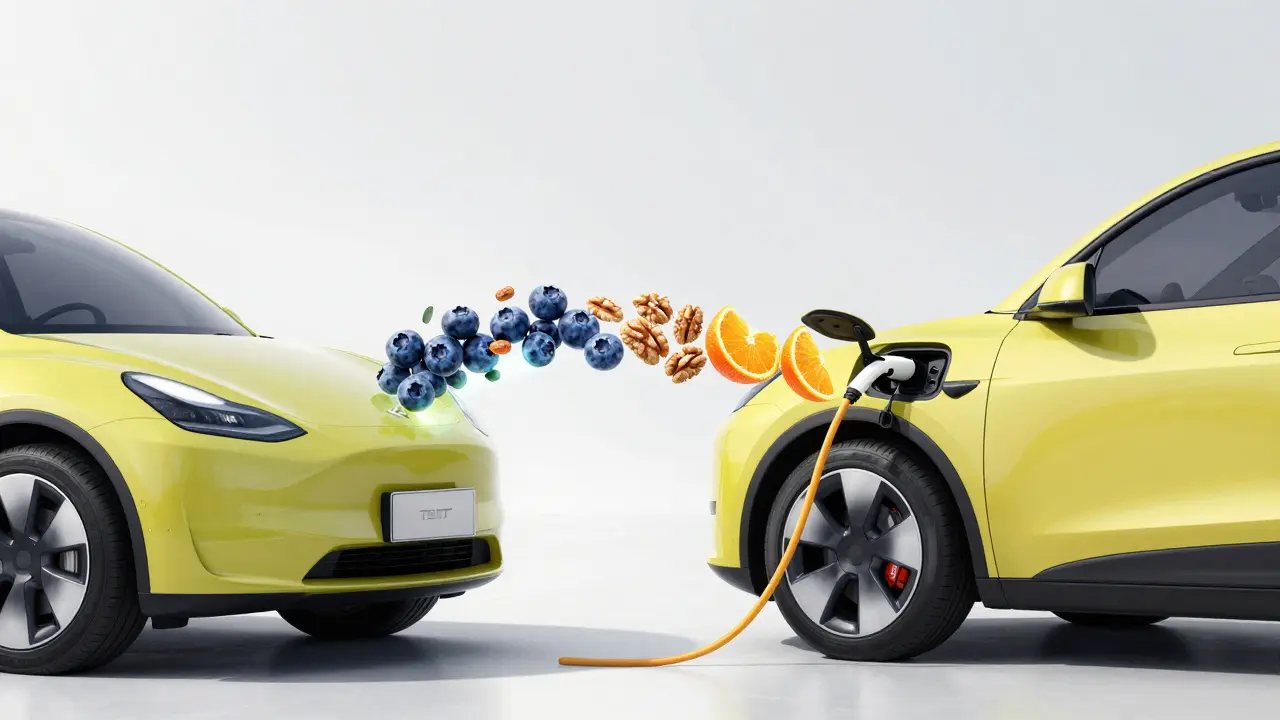
Kids have a metabolic rate that makes most adults jealous. They burn through fuel rapidly because they are growing in every direction at once. When a child goes too long between meals, their blood glucose levels drop. This isn't just a feeling of hunger; it's a physiological state that triggers irritability, often called 'hanger.'When a child eats a snack high in refined sugars, like a store-bought cookie, their blood sugar spikes. The body releases insulin to manage this, which often leads to a rapid drop in glucose. This 'crash' is why a child might be hyperactive for twenty minutes and then suddenly meltdown or lose focus during homework. By choosing snacks with a low glycemic index, we keep that energy curve steady. Think of it as a slow-release fuel tank rather than a firecracker.
Brain Power and Cognitive Function
The brain is an energy-hungry organ, consuming about 20% of the body's total calories. For a developing child, the quality of those calories matters. Omega-3 Fatty Acids is a class of polyunsaturated fats essential for the structure of neurons and synaptic plasticity. Found in snacks like walnuts or chia seeds, these fats help the brain send signals faster and more efficiently.
When kids consistently eat nutrient-dense snacks, they see a direct impact on their executive function-the ability to plan, focus, and remember instructions. For instance, a child snacking on blueberries-rich in anthocyanins-is supporting the blood flow to the brain, which can improve short-term memory. Contrast this with processed snacks containing artificial dyes like Red 40, which some clinical observations suggest may exacerbate hyperactivity in sensitive children.
Building a Robust Immune System
Snacking is the perfect opportunity to sneak in the micronutrients that keep kids out of the doctor's office. Vitamin C is a water-soluble vitamin that supports various cellular functions of the body and is a potent antioxidant. By offering sliced bell peppers or orange wedges, parents provide the raw materials needed for white blood cell production.
Then there is the gut-brain connection. Many healthy snacks, like Greek yogurt or apple slices, provide Probiotics as live bacteria and yeasts that are beneficial for the digestive system. A healthy gut microbiome doesn't just prevent stomach aches; it's linked to better mood regulation and a stronger immune response to common cold viruses.
The Psychology of Taste and Habit Formation
The tastes a child develops between the ages of 2 and 10 often dictate their eating habits for the rest of their life. If a child's primary experience with 'snacks' is salt and sugar, their taste buds become desensitized to the subtle sweetness of a pear or the earthiness of hummus. This is known as sensory-specific satiety.
Introducing a variety of textures and flavors through healthy snacks prevents 'picky eating' from becoming a permanent trait. When kids are exposed to roasted chickpeas (crunchy/salty) or frozen grapes (sweet/cold), they learn that healthy food isn't boring. It's about expanding their palate so that vegetables aren't seen as a chore, but as a preference.
| Snack Type | Primary Components | Energy Duration | Cognitive Impact |
|---|---|---|---|
| Processed Sugars | Refined Flour, High Fructose Corn Syrup | Short (30-60 mins) | Spike followed by brain fog |
| Complex Carbs & Protein | Whole Grains, Nuts, Seeds | Long (2-4 hours) | Steady focus and alertness |
| Fresh Fruits & Veggies | Fiber, Vitamins, Natural Sugars | Moderate (1-2 hours) | Enhanced mental clarity |
Practical Strategies for Better Snacking
Knowing why healthy snacks matter is one thing; getting a toddler to eat a piece of celery is another. The key is accessibility and presentation. If the healthy options are hidden in the crisper drawer, kids will gravitate toward the box of crackers on the counter.
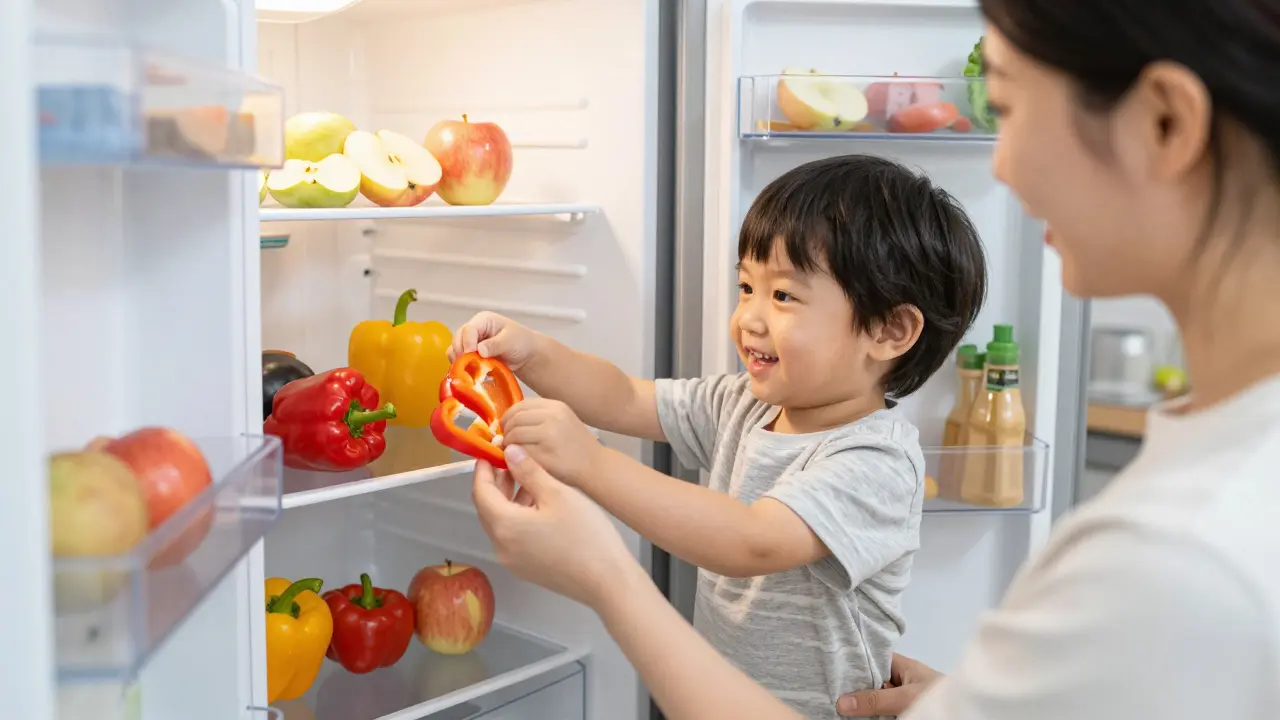
- The 'Eye-Level' Rule: Place pre-cut vegetables and washed fruits on the middle shelf of the fridge where kids can actually see and reach them.
- The Pairing Method: Combine a 'power' food (protein/fat) with a 'fuel' food (carb). For example, pair apple slices with almond butter or carrots with hummus. This slows the absorption of sugar and keeps them full longer.
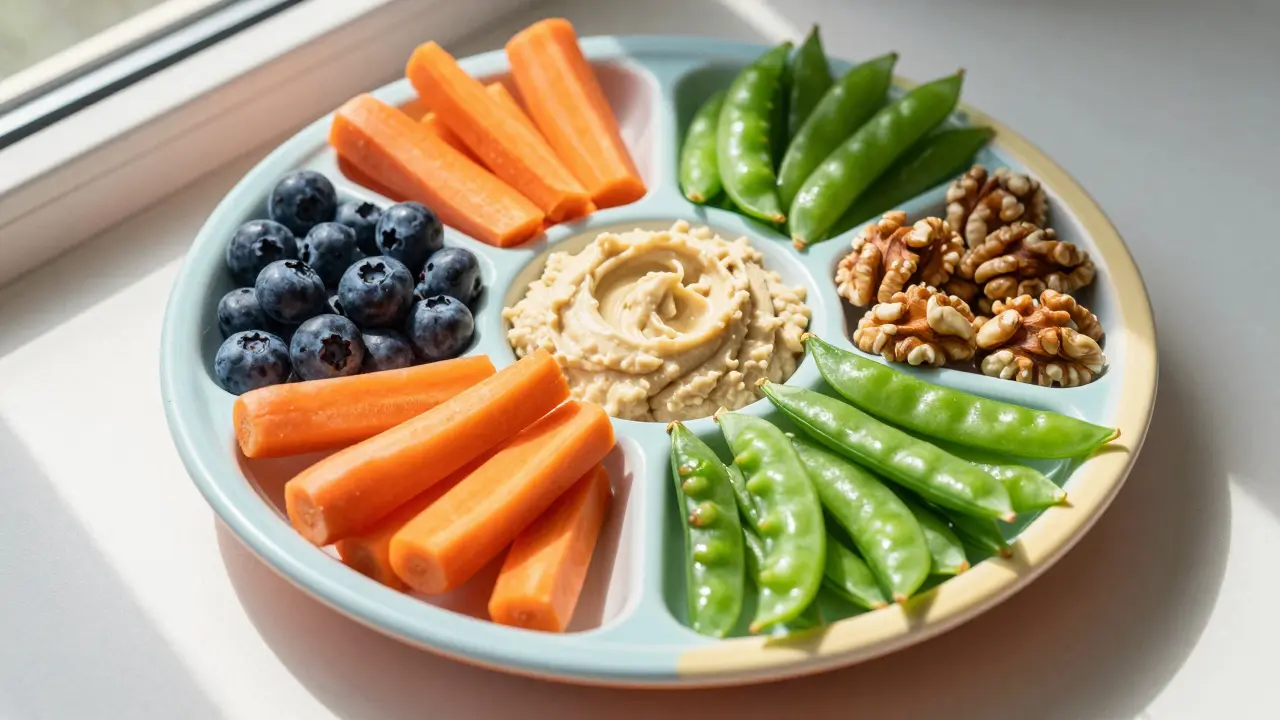
- Interactive Plating: Use a muffin tin or a divided plate to create a 'snack charcuterie board.' The variety of colors makes the food more appealing and less intimidating.
- Involve Them in the Process: Let them pick the 'vegetable of the week' at the store. A child is much more likely to eat a snap pea if they were the one who chose it.
Common Pitfalls to Avoid
Many parents fall into the 'health halo' trap. This happens when a product is marketed as 'organic' or 'gluten-free' but is still essentially a sugar bomb. For example, some organic fruit leather is just concentrated sugar without the fiber of the actual fruit. Always check the ingredient list; if sugar (or its aliases like maltodextrin or corn syrup) is in the first three ingredients, it's not a health snack.
Another common mistake is treating snacks as a reward. Saying 'if you eat your broccoli, you can have a cookie' teaches the child that vegetables are the 'price' they pay for the 'reward' of sugar. Instead, present all foods as fuel, emphasizing how different foods help them run faster, jump higher, or think clearer.
How often should kids have snacks?
Most children need 2 to 3 small snacks a day, typically one between breakfast and lunch and another between lunch and dinner. The goal is to prevent extreme hunger, which often leads to overeating during main meals or choosing low-nutrient options.
What are the best snacks for a concentration boost during school?
Focus on foods rich in Omega-3s and low-glycemic carbohydrates. Walnuts, pumpkin seeds, blueberries, and Greek yogurt are excellent choices. These provide a steady stream of energy to the brain without the crash associated with sugary treats.
How do I handle a child who refuses all vegetables?
Try the 'bridge' method. If they like carrots, try orange bell peppers. If they like apples, try pear slices. Use dips like hummus or yogurt to make the flavor more palatable. It can take up to 15 exposures to a new food before a child accepts it, so don't give up after one attempt.
Are fruit juices considered a healthy snack?
Generally, no. Juicing removes the fiber from the fruit, meaning the natural sugar hits the bloodstream almost instantly. It's much better to give the child the whole fruit, which slows digestion and provides essential fiber for gut health.
Can healthy snacks help with sleep?
Yes. A small, protein-rich snack before bed-like a slice of turkey or a small bowl of cottage cheese-can prevent blood sugar dips during the night, which sometimes cause children to wake up abruptly or have restless sleep.
Next Steps for Parents
If you are starting from scratch, don't try to overhaul the entire pantry overnight. Start by replacing one 'staple' junk snack with a healthy alternative. Maybe swap the chips for air-popped popcorn with a sprinkle of nutritional yeast for a cheesy flavor. Once that becomes the new norm, introduce a second change.
For parents of children with severe allergies, focus on seeds (like sunflower or pumpkin) and legume-based snacks (like roasted chickpeas) to ensure they still get the protein and healthy fats necessary for brain development. Always double-check labels for hidden soy or dairy if those are triggers for your child.