
You sit down to tackle your most important task of the day. You’ve got coffee in hand, a clear to-do list, and zero distractions. Yet, ten minutes later, you’re scrolling through social media or staring blankly at the screen. Sound familiar? The problem isn’t always your willpower; it’s often your environment. While we usually think of productivity as a mental discipline, our senses play a huge role in how we perform. Specifically, smell has a direct line to the brain’s emotional and memory centers. This is where aromatherapy comes in-not just for relaxation, but as a powerful tool to sharpen your focus and boost output.
Aromatherapy uses concentrated plant extracts, known as essential oils, to improve physical and psychological well-being. When used correctly for work, these scents can alter your brain chemistry, reducing stress hormones like cortisol and increasing alertness. It’s not magic; it’s biology. By integrating specific scents into your workspace, you can create a sensory cue that tells your brain it’s time to work. Here is how to harness the power of scent to get more done.
The Science Behind Scent and Focus
To use aromatherapy effectively, you need to understand why it works. When you inhale an essential oil, the aromatic molecules travel up your nasal passages and stimulate the olfactory bulb. This part of the brain is directly connected to the limbic system, which controls emotions, memories, and heart rate. Unlike other senses, smell bypasses the thalamus (the brain's relay station) and goes straight to this emotional center. This means a scent can change your mood almost instantly.
Research supports this connection. A study published in the journal *Evidence-Based Complementary and Alternative Medicine* found that participants who smelled peppermint oil performed significantly better on cognitive tests than those who smelled nothing or a neutral scent. Another study showed that rosemary oil improved memory recall and speed. These aren't subtle effects. For someone trying to push through a deep work session, that slight edge in cognitive function can mean the difference between finishing a report by noon or dragging it out until evening.
Does aromatherapy actually increase IQ?
No, aromatherapy does not permanently increase your IQ. However, studies suggest it can temporarily enhance cognitive performance, including memory retention, reaction time, and mental clarity, by stimulating the brain's limbic system and reducing anxiety.
Top Essential Oils for Productivity
Not all essential oils are created equal when it comes to work. Lavender is famous for calming nerves, which is great for bedtime but might make you sleepy during a deadline crunch. For productivity, you want oils that promote alertness, clarity, and calm energy. Here are the best performers:
- Rosemary: Known as the herb of remembrance, rosemary is top-tier for memory and concentration. Its sharp, woody scent helps keep your mind engaged. If you have a complex project requiring attention to detail, this is your go-to.
- Peppermint: The menthol in peppermint acts as a natural stimulant. It increases oxygen flow to the brain and combats fatigue. Use this when you hit that mid-afternoon slump.
- Lemon: Citrus scents are uplifting and energizing. Lemon oil reduces stress while promoting a positive mindset. It’s excellent for creative tasks or when you feel mentally foggy.
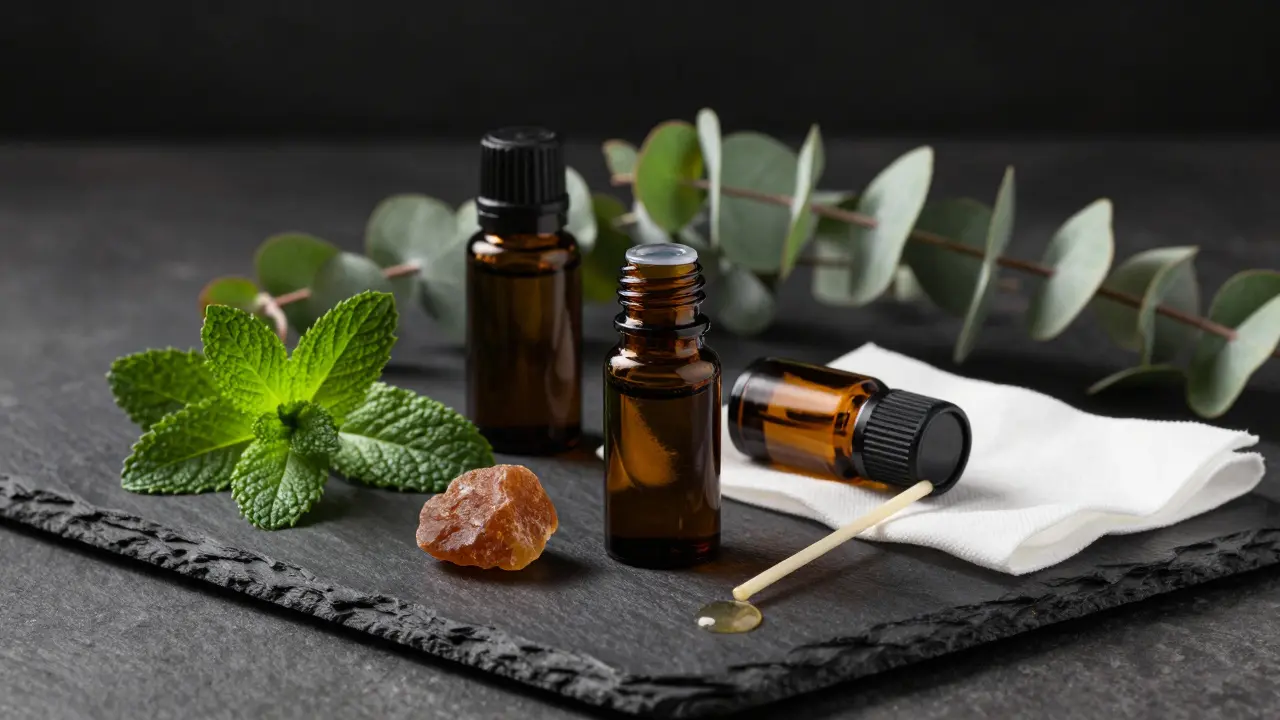
- Fractionated Coconut Oil + Eucalyptus: Eucalyptus clears the sinuses and promotes deep breathing, which oxygenates the blood. Combined with a carrier oil, it can be applied topically for a cooling effect that wakes you up.
- Frankincense: Often associated with meditation, frankincense promotes deep breathing and mindfulness. It’s ideal if your lack of productivity stems from anxiety or overthinking rather than tiredness.
Avoid heavy, sedative scents like chamomile or ylang-ylang during work hours unless you are specifically trying to wind down after a stressful call.
How to Apply Aromatherapy at Work
Knowing which oils to use is only half the battle. You also need the right delivery method. Diffusing oil into the air is the most common approach, but it’s not the only one. Depending on your workplace rules and personal preference, you can choose from several methods.
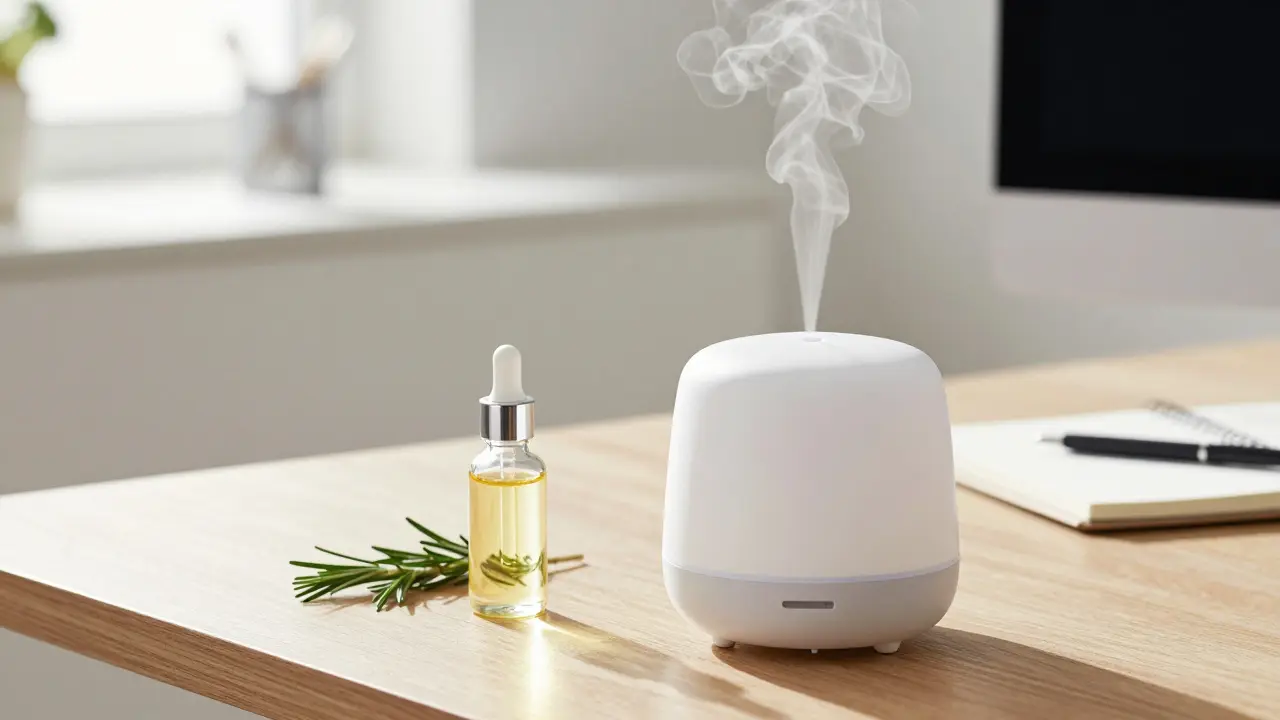
- Electric Diffusers: These devices use ultrasonic waves to disperse oil into a fine mist. They are quiet and effective for filling a room. Look for one with a timer so you don’t oversaturate the space. Run it for 30-60 minutes at a time.
- Inhalers: Small, portable sticks containing a cotton swab soaked in essential oil. These are perfect for offices where diffusers are banned. Take three deep breaths from the inhaler whenever you feel distracted.
- Tissue Method: Put two drops of oil on a tissue and place it under your desk or near your monitor. This provides a subtle, continuous scent without drawing attention.
- Topical Application: Dilute essential oils with a carrier oil (like jojoba or fractionated coconut oil) and apply to your temples or wrists. Rosemary and peppermint work well here. Always do a patch test first to check for skin sensitivity.
If you work in a shared office, be considerate. Strong scents can trigger migraines or allergies in colleagues. Stick to mild citrus or light herbal blends, and ask around before using a diffuser.
Creating a Sensory Routine
The real power of aromatherapy lies in consistency. Just as you might associate the sound of a bell with class starting, you can train your brain to associate a specific scent with "deep work." This is called classical conditioning. Every time you start a focused session, diffuse rosemary. Over time, your brain will begin to enter a state of focus automatically when it smells that scent.
Try this routine:
- Morning Kickstart: Diffuse lemon or peppermint for 15 minutes while you review your daily goals. This signals to your body that the day has begun.
- Deep Work Block: Switch to rosemary or frankincense for 90-minute blocks of uninterrupted work.
- Afternoon Slump: Use an inhaler with peppermint or eucalyptus instead of reaching for another cup of coffee.
- Wind Down: As you finish your workday, switch to a calming scent like lavender to signal the end of work mode. This helps prevent burnout and improves sleep quality.
By anchoring your productivity to sensory cues, you reduce the mental friction required to start working. You’re not relying solely on motivation; you’re engineering your environment to support your goals.
Safety and Best Practices
Essential oils are potent substances. "Natural" doesn’t always mean "safe." To get the benefits without the risks, follow these guidelines:
- Dilution is Key: Never apply undiluted essential oils to your skin. Always mix them with a carrier oil. A safe ratio is about 1% dilution (1 drop of essential oil per teaspoon of carrier oil).
- Pet Safety: Many essential oils are toxic to cats and dogs. Tea tree, peppermint, and pine can cause serious health issues in pets. If you have animals, research each oil thoroughly before using it in your home office.
- Quality Matters: Buy 100% pure therapeutic-grade essential oils from reputable brands. Cheap oils often contain synthetic fragrances that offer no health benefits and may cause headaches.
- Ventilation: Don’t trap yourself in a small, unventilated room with strong scents. Keep windows slightly open or ensure good airflow to prevent dizziness.

Troubleshooting Common Issues
Even with the best intentions, aromatherapy might not work immediately. Here’s how to fix common problems:
- Headaches: If a scent gives you a headache, stop using it immediately. You may be sensitive to that particular oil, or the concentration is too high. Try a different oil or dilute it more.
- No Effect: If you don’t feel any change, you might be desensitized. Take a break from aromatherapy for a few days. Also, ensure you’re using pure oils, not fragrance oils, which lack the active compounds.
- Allergic Reactions: If you experience skin irritation, wash the area with soap and water. Apply a carrier oil to help remove the residue. Consult a doctor if symptoms persist.
Final Thoughts
Boosting productivity isn’t just about managing your time; it’s about managing your energy and environment. Aromatherapy offers a simple, accessible way to optimize both. By choosing the right oils and creating consistent routines, you can turn your workspace into a zone of focus and efficiency. Start small-pick one oil, try one method, and see how it changes your workday. Your brain might just thank you.
Which essential oil is best for studying?
Rosemary and peppermint are widely considered the best essential oils for studying. Rosemary enhances memory recall and concentration, while peppermint boosts alertness and reduces mental fatigue.
Can I use aromatherapy at my office job?
Yes, but discretion is key. Electric diffusers may be prohibited or distracting to coworkers. Instead, use personal inhalers, apply diluted oils to your wrists, or place a few drops on a tissue under your desk.
How long should I diffuse essential oils?
It is generally recommended to diffuse essential oils for 30 to 60 minutes at a time, followed by a break of at least an hour. Continuous diffusion can lead to scent fatigue and potential respiratory irritation.
Are essential oils safe for children?
Some essential oils are safe for children when properly diluted, but many are not. Avoid strong oils like peppermint and eucalyptus for young kids. Always consult a pediatrician before introducing aromatherapy to children.
What is the difference between essential oils and fragrance oils?
Essential oils are extracted directly from plants and contain therapeutic properties. Fragrance oils are synthetic, designed only to smell good, and lack the health benefits of essential oils. For productivity and wellness, always choose pure essential oils.