

Most people treat health like a destination. You pack your bags, set off in January, and hope to arrive at "fit" by February. But that approach fails because health isn't a place you go; it's the way you travel. If you want to design your life around well-being, you have to stop chasing quick fixes and start building systems that survive real-world chaos.
The problem with traditional goal-setting is that it relies on motivation. Motivation is a battery-it drains fast. Systems are engines-they keep running as long as you fuel them correctly. When you shift from "I want to lose weight" to "I am someone who prioritizes movement," you change the game entirely. This guide breaks down how to build those unshakeable systems using principles from behavioral psychology and practical lifestyle design.
The Psychology of Identity-Based Goals
Why do New Year’s resolutions fail so often? Research suggests it’s not because people lack willpower. It’s because they focus on outcomes rather than identity. An outcome-based goal looks like this: "I want to run a marathon." An identity-based goal looks like this: "I am a runner." The difference seems subtle, but it changes everything.
When you tie your goals to who you are, every action becomes a vote for that new identity. Skipping a workout feels like a betrayal of self, not just a missed target. This concept comes from James Clear’s work on atomic habits, which argues that true behavior change is identity change. You don’t rise to the level of your goals; you fall to the level of your systems.
To apply this, ask yourself: What kind of person would achieve the result I want? If you want better gut health, what does a person with good gut health eat? They choose fiber-rich foods. They drink water before coffee. They chew slowly. Start acting like that person today, even if you only do one small thing. Over time, the evidence mounts, and the identity solidifies.
Start Small: The Two-Minute Rule
One of the biggest mistakes people make is aiming too high too soon. You decide you’ll gym for an hour every day. By day three, you’re exhausted, sore, and resentful. The brain resists large changes because they feel threatening. To bypass this resistance, use the two-minute rule.
This rule states that any new habit should take less than two minutes to do. Want to read more? Read one page. Want to meditate? Sit quietly for two minutes. Want to exercise? Put on your sneakers. That’s it. The goal isn’t to complete the task; the goal is to show up. Once you’re standing there with your sneakers on, you’re likely to do more. But if you stop, you’ve still won because you reinforced the identity of someone who exercises.
This works because consistency beats intensity. Doing something small every day rewires your neural pathways faster than doing something huge once a week. It removes the friction of starting. Friction is the enemy of habit formation. Reduce it, and you increase your chances of success exponentially.
| Aspect | Outcome Goal | Identity Goal |
|---|---|---|
| Focus | Result (e.g., lose 10kg) | Behavior (e.g., eat vegetables) |
| Motivation Source | External reward | Internal alignment |
| Failure Response | Discouragement | Course correction |
| Sustainability | Low (drops after achievement) | High (becomes part of self) |
Design Your Environment for Success
You can have the best intentions in the world, but if your environment works against you, you will lose. Willpower is a finite resource. Don’t waste it fighting your surroundings. Instead, design your space so that the right choice is the easiest choice.
If you want to eat healthier, don’t rely on resisting cookies. Remove the cookies from the house. Buy fruit and put it on the counter at eye level. Hide the junk food in opaque containers or leave it in the car. Make the unhealthy option inconvenient. Conversely, make the healthy option visible and accessible. Lay out your gym clothes the night before. Pre-chop your vegetables on Sunday.
This concept is called implementation intention. It means deciding exactly when and where you will perform a behavior. "I will exercise" is vague. "I will exercise at 7 AM in my living room" is specific. The more detailed your plan, the less mental energy you spend deciding. Decision fatigue is real. Every time you ask yourself, "Should I go to the gym?" you burn glucose. Automate the decision, and save your energy for things that matter.
Track Progress Without Obsession
What gets measured gets managed. But tracking can become toxic if it turns into obsession. The key is to track leading indicators, not lagging ones. Lagging indicators are results like weight or blood pressure. They change slowly and are influenced by many factors outside your control. Leading indicators are actions you can control directly: steps taken, glasses of water drunk, hours slept.
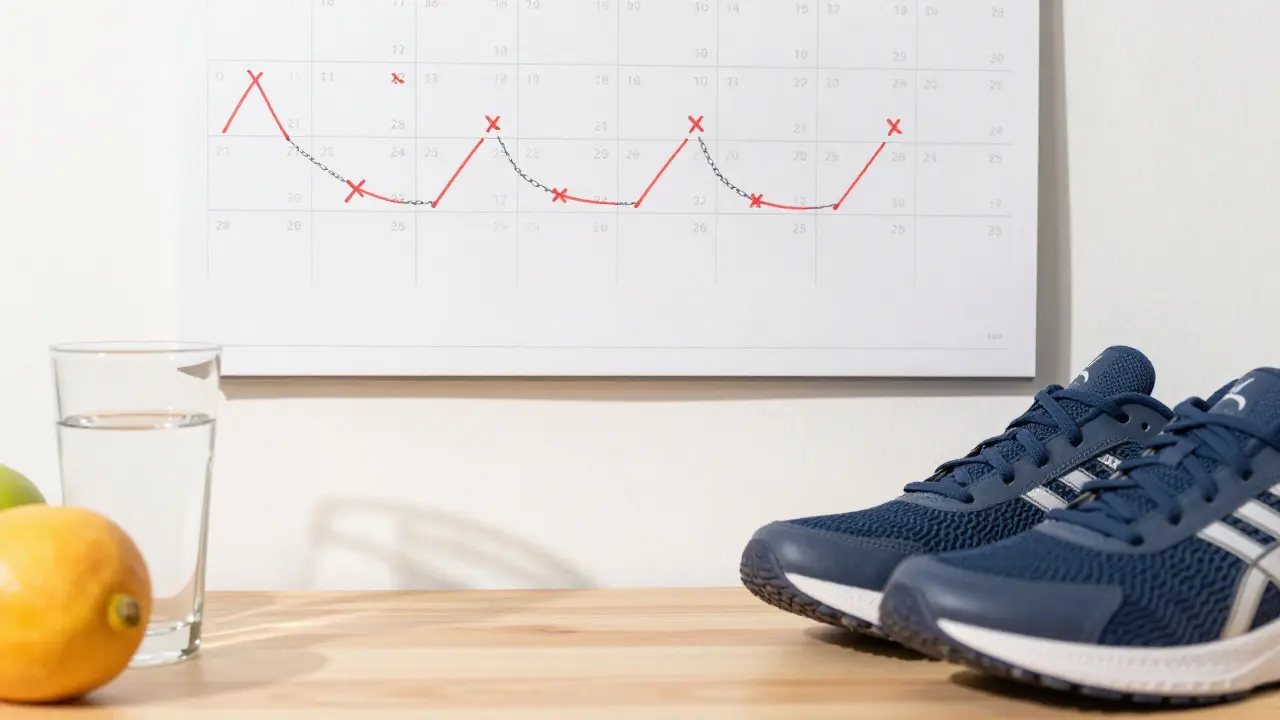
Use a simple habit tracker. A calendar on your wall works perfectly. Mark an X for every day you complete your habit. After a few days, you’ll have a chain. Your only job is to not break the chain. This visual feedback loop provides immediate gratification, which dopamine loves. It also highlights gaps quickly. If you miss a day, you see it immediately and can adjust.
Avoid perfectionism. Missing one day doesn’t ruin your progress. Missing two days starts a new pattern. The rule is simple: never miss twice. If you slip up, get back on track immediately. This resilience is what separates successful people from those who quit. They aren’t perfect; they’re persistent.

Align Health with Values and Joy
Health shouldn’t feel like punishment. If you view exercise as penance for eating cake, you’ll hate it. Reframe health as an investment in your ability to enjoy life. Do you want to play with your grandkids without getting winded? Do you want to travel without worrying about back pain? Connect your daily actions to these deeper values.
Also, find joy in the process. If you hate running, don’t run. Try dancing, swimming, or hiking. The best exercise is the one you actually do. Sustainability requires enjoyment. Pair difficult tasks with pleasant ones. Listen to your favorite podcast only while walking. Watch your favorite show only while stretching. This is called temptation bundling. It makes the hard thing easier by attaching it to something you love.
Your health goals should support your life, not dominate it. They should give you more energy, not drain it. If you’re constantly tired, stressed, or hungry, your system is broken. Adjust it. Listen to your body. Rest is productive. Sleep is foundational. Nutrition is fuel. Treat yourself with respect, and your body will respond.
Review and Iterate Regularly
Life changes, and so should your goals. Set aside time each month to review your progress. Ask yourself: What worked? What didn’t? What felt easy? What felt hard? Use this data to tweak your systems. Maybe morning workouts don’t fit your schedule. Switch to evenings. Maybe meal prepping is too time-consuming. Simplify your recipes.
This iterative approach mirrors agile methodology used in software development. You don’t build the perfect product upfront. You build a minimum viable product, test it, gather feedback, and improve. Apply this to your health. Experiment with different routines until you find what fits your unique biology and lifestyle. There is no one-size-fits-all solution. Your optimal health plan is personal.
Remember, designing your life is ongoing. It’s not a project with an end date. It’s a practice. Some days will be great. Others will be messy. That’s normal. Keep showing up. Keep adjusting. Keep believing in your capacity to grow. The compound effect of small, consistent actions over years creates extraordinary results.
How do I start setting health goals if I feel overwhelmed?
Start with one tiny habit. Choose something that takes less than two minutes, like drinking a glass of water upon waking. Master that for two weeks before adding another. Consistency builds confidence, which reduces overwhelm.
What is the difference between an outcome goal and an identity goal?
An outcome goal focuses on a result, like losing 5kg. An identity goal focuses on who you are, like being a healthy eater. Identity goals are more sustainable because they integrate behavior into your self-concept, making it harder to abandon.
How can I stay motivated when I don't see immediate results?
Focus on leading indicators like daily actions rather than lagging indicators like scale weight. Celebrate showing up. Use habit tracking to visualize consistency. Remember that plateaus are normal parts of the process, not signs of failure.
Is it okay to miss a day of my health routine?
Yes, missing one day is human. The critical rule is never to miss twice. One miss is an accident; two misses is the start of a new, negative habit. Get back on track immediately without guilt.
How do I design my environment to support healthy habits?
Make healthy choices visible and easy, and unhealthy choices invisible and hard. Place fruit on the counter, hide snacks, lay out gym clothes the night before. Reduce friction for good habits and increase it for bad ones.
What should I do if I hate exercising?
Don't force yourself to do something you hate. Find physical activities you enjoy, like dancing, hiking, or swimming. Pair exercise with something pleasurable, like listening to music or podcasts, to create positive associations.