

Have you ever felt a strange twinge in your chest and immediately imagined the worst-case scenario? Maybe it was just indigestion, but for a split second, your mind raced to heart attack. If this sounds familiar, you are not alone. Millions of people live with a constant background hum of worry about their physical health. This condition is known as health anxiety, previously called hypochondria. It is more than just being cautious; it is a persistent fear that you have a serious illness, despite medical reassurance.
This chronic state of alarm takes a heavy toll on your mental wellbeing. It drains your energy, disrupts your sleep, and can isolate you from friends and family who may struggle to understand why you are so focused on minor bodily sensations. Understanding how health anxiety works is the first step toward reclaiming your peace of mind.
Understanding the Mechanism of Health Anxiety
To manage health anxiety, you first need to understand what is happening in your brain. It is not that you are "imagining" things or being weak. Your brain’s threat detection system, specifically the amygdala, is stuck in overdrive. For most people, a headache triggers a thought like, "I’m tired." For someone with health anxiety, that same headache triggers a cascade of catastrophic thoughts: "Is it a tumor? Did I miss something?"
This process creates a feedback loop. You notice a sensation, you interpret it as dangerous, your body releases stress hormones like cortisol and adrenaline, and these hormones create new physical symptoms-racing heart, sweating, tension. You then notice these new symptoms and interpret them as further proof of illness. The cycle reinforces itself, making the anxiety feel incredibly real and physical.
Illness anxiety disorder is classified in the DSM-5 (Diagnostic and Statistical Manual of Mental Disorders) under obsessive-compulsive and related disorders. This classification highlights the repetitive nature of the behavior: checking, researching, and seeking reassurance, which temporarily relieves anxiety but ultimately strengthens the fear long-term.
The Erosion of Daily Life and Relationships
The impact of health anxiety extends far beyond your own head. It seeps into every aspect of your daily life. You might find yourself avoiding gyms because you’re afraid of catching germs, or skipping social events because you’re too busy monitoring your pulse. This avoidance limits your experiences and shrinks your world.
Relationships often suffer too. Partners and friends may initially offer support, but over time, they can become exhausted by the constant need for reassurance. They might start to feel like they are walking on eggshells, afraid that any comment about health will trigger a panic spiral. This dynamic can lead to isolation, which unfortunately feeds back into the anxiety, leaving you feeling even more vulnerable.
- Social Withdrawal: Avoiding places or people perceived as health risks.
- Relationship Strain: Friction caused by excessive reassurance-seeking behaviors.
- Work Interference: Difficulty concentrating due to preoccupation with bodily sensations.
- Financial Stress: Costs associated with unnecessary doctor visits and tests.
The Trap of Online Medical Research
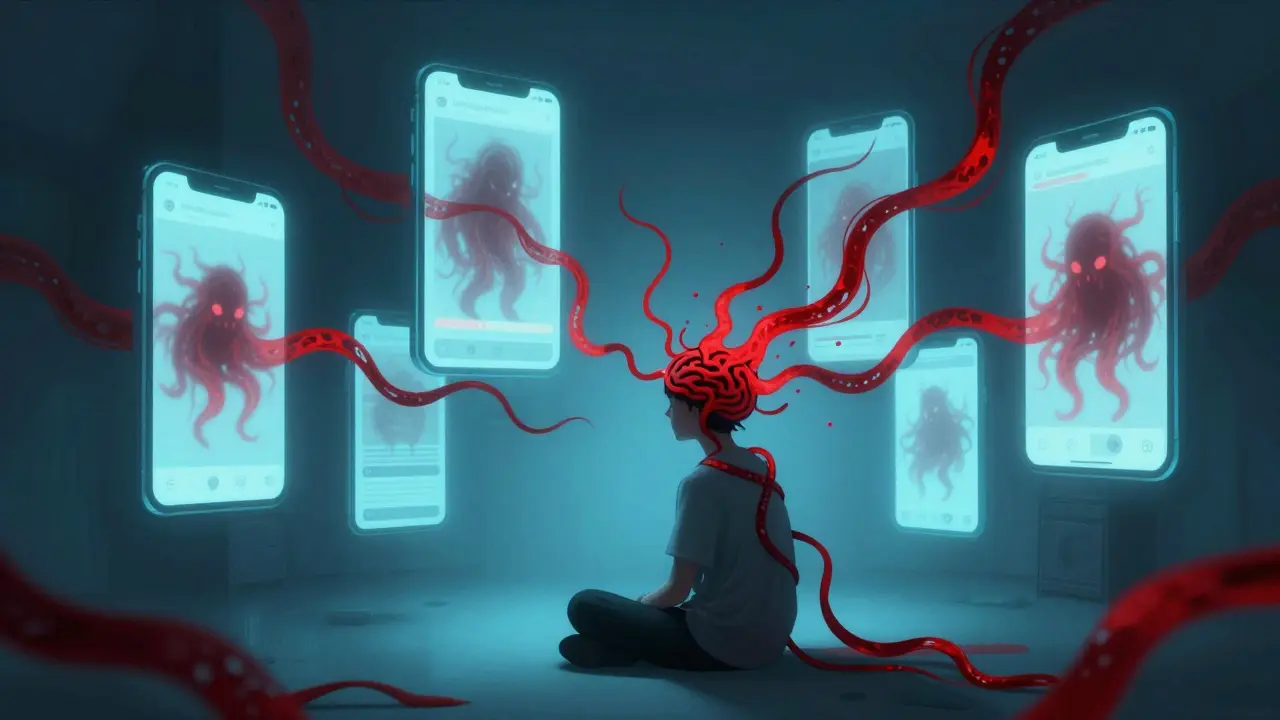
In the digital age, health anxiety has found a powerful fuel: the internet. We all know the phrase, "Don’t Google your symptoms." But for those with health anxiety, resisting the urge to search is incredibly difficult. The problem isn’t just that online information can be inaccurate; it’s that algorithms prioritize engaging content, which is often sensationalized or extreme.
When you search for a common symptom like fatigue, you might see articles linking it to rare autoimmune diseases or cancer. This confirms your fears and validates the anxiety loop. This phenomenon is sometimes called "cyberchondria." It creates a false sense of expertise where you believe you know your diagnosis better than your doctor, leading to conflicts with healthcare providers and increased distress.
Furthermore, online forums can be echo chambers. While some communities offer genuine support, many are dominated by individuals sharing worst-case scenarios. Reading these stories normalizes catastrophic thinking and makes it harder to trust that your symptoms might be benign.
Evidence-Based Strategies for Recovery
The good news is that health anxiety is highly treatable. You do not have to live in this state of constant vigilance. The gold standard treatment is Cognitive Behavioral Therapy (CBT). Specifically, a form of CBT designed for health anxiety helps you identify and challenge the distorted thoughts that drive your fear.
Here is how the process typically works:
- Cognitive Restructuring: You learn to catch automatic negative thoughts (e.g., "This pain means I’m dying") and replace them with balanced ones (e.g., "This pain could be muscle strain, and I will monitor it").
- Exposure and Response Prevention (ERP): This involves gradually exposing yourself to feared situations (like reading a medical article) without engaging in safety behaviors (like checking your pulse or Googling).
- Mindfulness Techniques: Learning to observe bodily sensations without judgment or interpretation. Instead of fighting the sensation, you acknowledge it and let it pass.
Medication can also play a role. Selective Serotonin Reuptake Inhibitors (SSRIs) are often prescribed to help lower the overall baseline of anxiety, making it easier to engage in therapy. However, medication is usually most effective when combined with psychological interventions.
Practical Tools for Managing Symptoms
While professional therapy is essential, there are practical steps you can take in your daily life to reduce the grip of health anxiety. These tools help break the cycle of checking and worrying.
| Strategy | Action | Benefit |
|---|---|---|
| Digital Detox | Limit medical searches to specific times or use website blockers. | Reduces exposure to catastrophic information and breaks the cyberchondria loop. |
| Scheduled Worry Time | Set aside 15 minutes a day to write down health fears. | Contains anxiety to a specific window, preventing it from consuming the whole day. |
| Body Scan Meditation | Practice non-judgmental awareness of bodily sensations. | Helps decouple sensation from catastrophic interpretation. |
| Reassurance Reduction | Agree with loved ones to limit reassurance questions to once a week. | Builds tolerance for uncertainty and reduces relationship strain. |
One crucial mindset shift is learning to tolerate uncertainty. Health anxiety thrives on the desire for 100% certainty that you are safe. But in reality, no one can guarantee perfect health forever. Accepting that some level of risk is part of being human allows you to focus on living well rather than trying to prevent all potential harm.

Building a Supportive Healthcare Relationship
Your relationship with your primary care provider is vital. Many people with health anxiety feel misunderstood by doctors who dismiss their concerns. To improve this dynamic, try to consolidate your care. Seeing multiple specialists can lead to fragmented care and conflicting advice, which fuels anxiety.
Establish a plan with your doctor. Agree on when to seek immediate care versus when to monitor symptoms at home. Ask for clear criteria for follow-up tests. When you have a structured plan, you rely less on your anxiety to dictate your actions. Remember, your doctor is an ally in your health journey, not an adversary to be convinced of a hidden disease.
Long-Term Maintenance and Relapse Prevention
Recovery from health anxiety is not linear. There will be days when old fears resurface, especially during times of general stress or after encountering health scares in the media. This does not mean you have failed; it means you are human.
To maintain progress, continue practicing the skills learned in therapy. Keep a journal to track triggers and successes. Stay connected with your support network. And perhaps most importantly, redirect your energy toward values-driven activities. Engage in hobbies, exercise, and social connections that remind you of who you are outside of your health worries. By building a rich, meaningful life, you dilute the power that health anxiety holds over you.
What is the difference between health anxiety and having a legitimate medical condition?
The key difference lies in the response to medical evaluation. People with legitimate conditions typically feel relieved after receiving a diagnosis and treatment plan. Those with health anxiety remain unconvinced by negative test results and continued medical reassurance, often believing the tests were wrong or that the doctor missed something. Health anxiety focuses on the *fear* of illness rather than the illness itself.
Can health anxiety be cured completely?
While "cure" implies it never returns, health anxiety is highly manageable. With consistent therapy and lifestyle changes, most people experience significant reduction in symptoms and regain control of their lives. It requires ongoing maintenance, similar to managing blood pressure or fitness, but you can live a full, unburdened life.
Why do doctors sometimes seem dismissive of my concerns?
Doctors are trained to look for red flags of serious disease. Once they rule out those emergencies, their goal shifts to preventing unnecessary testing and procedures, which can have their own risks. What feels like dismissal may actually be their attempt to reassure you that you are safe. Open communication about your anxiety history can help bridge this gap.
How long does CBT for health anxiety take to work?
Most CBT programs for health anxiety last between 8 to 12 weeks. Some people notice improvements within the first few sessions, while others may take longer to see significant change. Consistency in practicing techniques between sessions is crucial for success.
Is health anxiety genetic?
Research suggests a genetic component to anxiety disorders, including health anxiety. If close family members have anxiety issues, you may be more predisposed. However, genetics are only one factor; environmental influences, past trauma, and learned behaviors also play significant roles.