Brain-Gut Axis: How Your Mind and Digestion Talk to Each Other
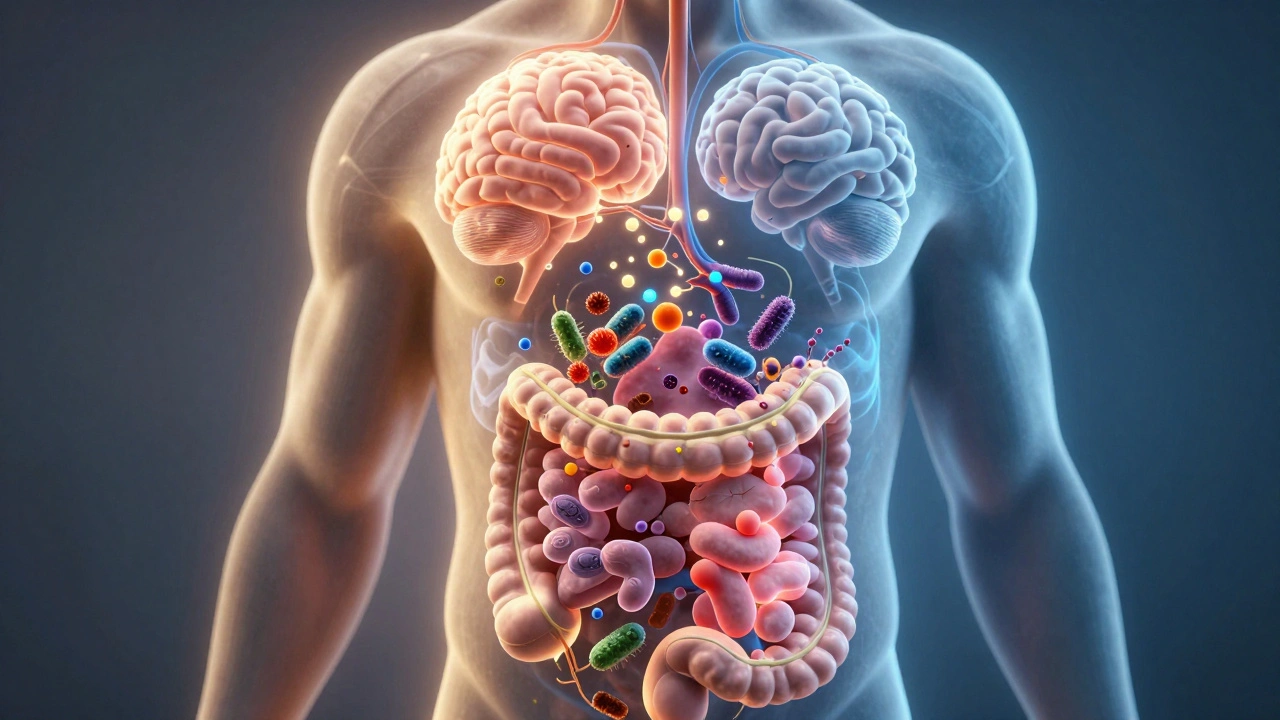
When you feel nervous and get butterflies in your stomach, you’re not just imagining it. You’re experiencing the brain-gut axis, the two-way communication system between your brain and your digestive tract. Also known as the gut-brain connection, it’s a biological highway made of nerves, hormones, and trillions of microbes that constantly exchange signals—whether you’re stressed, happy, or sick. This isn’t just science fiction. It’s why anxiety can give you diarrhea, why depression often comes with bloating, and why fixing your gut can lift your mood.
The gut microbiome, the community of bacteria living in your intestines is the middleman in this conversation. These tiny organisms don’t just help you digest food—they produce serotonin, the chemical that helps you feel calm. They also send signals to your brain through the vagus nerve, influencing how you handle stress, sleep, and even memory. When your microbiome is out of balance—thanks to too much sugar, alcohol, or chronic stress—it doesn’t just cause gas or constipation. It can make you feel anxious, foggy, or low. And the reverse is true too: when you’re constantly stressed, your gut suffers. Studies show that people with chronic stress have less diverse gut bacteria, which makes them more prone to inflammation and digestive issues.
This connection explains why mental health, including conditions like health anxiety and depression often shows up with digestive symptoms. It’s why mindfulness practices that calm your mind—like breathing exercises or meditation—also help reduce bloating and IBS flare-ups. It’s why eating fermented foods like yogurt or kimchi doesn’t just help your gut, it can help you sleep better and think more clearly. And it’s why cutting out processed foods isn’t just about weight—it’s about giving your brain the quiet it needs to function.
You don’t need a PhD to understand this. You just need to notice the patterns. Do you feel worse after a bad night’s sleep? Do you get stomach pain before a big meeting? Do you crave sugar when you’re down? These aren’t coincidences. They’re clues. The posts below give you real, no-fluff ways to support your brain-gut axis: from simple diet tweaks to stress-reducing habits backed by science. Whether you’re dealing with digestive trouble, low mood, or just want to feel more in control of your body, you’ll find practical steps here—no jargon, no trends, just what works.