

Picture this: It’s 4 PM on a Friday. Your boss just sent an email with the subject line "Urgent." Your heart rate spikes. Your palms get sweaty. You feel that familiar knot in your stomach tightening. Most people react by typing a frantic reply or diving into panic mode. But what if I told you that the most successful people don’t react? They pause. They breathe. And then they act.
We often think of success as the result of relentless hustle, long hours, and high-energy ambition. We glorify the grind. We wear burnout like a badge of honor. But there is a quieter, more powerful force at play in the lives of top performers, CEOs, athletes, and creators alike. That force is calmness is a state of mental clarity and emotional stability that allows for effective action under pressure. It isn’t about being passive or lazy. It is about controlling your internal environment so you can navigate the external one effectively.
The Science Behind the Quiet Mind
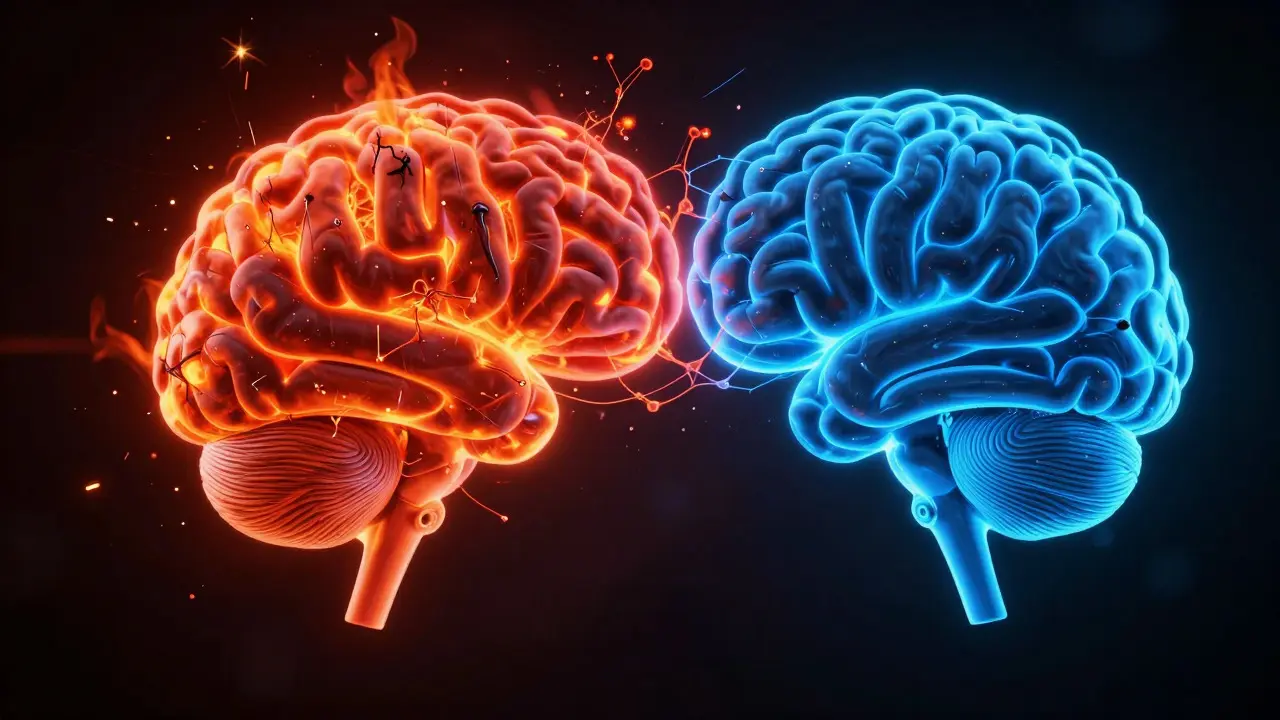
Why does staying cool matter? It comes down to biology. When you are stressed, your body releases cortisol and adrenaline. This is the "fight or flight" response. It was designed to help our ancestors run from tigers, not to help us write code or negotiate contracts. In this state, your prefrontal cortex-the part of your brain responsible for logic, planning, and impulse control-literally goes offline. You become reactive, narrow-minded, and prone to mistakes.
Calmness flips the switch. It engages the parasympathetic nervous system. This is the "rest and digest" mode. When you are calm, your brain accesses higher-order thinking. You see patterns others miss. You weigh options without fear clouding your judgment. Research in neuroscience shows that individuals who practice emotional regulation is the ability to manage and respond to an emotional experience in a way that achieves desired goals. consistently outperform their peers in complex tasks. They aren’t smarter; they are just less distracted by their own anxiety.
Calmness vs. Stress: The Performance Gap
Let’s look at how these two states compare in real-world scenarios. Stress might give you a short burst of energy, but it burns dirty fuel. It leads to errors, miscommunication, and exhaustion. Calmness provides sustained, clean energy.
| Factor | Stress Response | Calm Response |
|---|---|---|
| Decision Making | Rushed, impulsive, risk-averse | Analytical, deliberate, balanced |
| Communication | Defensive, aggressive, unclear | Clear, empathetic, persuasive |
| Problem Solving | Tunnel vision, misses details | Broad perspective, creative solutions |
| Long-term Impact | Burnout, health issues | Sustainability, resilience |
Think about the last time you had a conflict at work. Did yelling make you right? Or did taking a breath allow you to articulate your point better? Calmness is not the absence of emotion; it is the mastery of it. It allows you to choose your response rather than being hijacked by it.
How Cultured Leaders Use Calmness
Look at leaders who are known for their composure. Consider figures like Satya Nadella at Microsoft or Jacinda Ardern in New Zealand politics. Their success wasn’t just due to their strategies; it was due to their demeanor. They created environments where teams felt safe to take risks because the leader wasn’t reacting with anger or panic.
This is called psychological safety is a shared belief that the team is safe for interpersonal risk-taking. When a leader remains calm during a crisis, it signals to everyone else that the situation is manageable. This reduces collective anxiety and boosts productivity. If the captain panics, the crew panics. If the captain stays steady, the crew focuses on the task. Your calmness becomes contagious.
Practical Steps to Build Inner Calm
You don’t have to be born with a zen-like temperament. Calmness is a skill. Like any muscle, it gets stronger with exercise. Here are three practical ways to build it into your daily routine.
- The Pause Button: Before responding to any stressful trigger-a rude email, a traffic jam, a mistake-force yourself to wait ten seconds. Count them out loud if you have to. This tiny gap breaks the automatic stress loop and gives your prefrontal cortex time to come back online.
- Box Breathing: Used by Navy SEALs to stay focused under extreme pressure. Inhale for four seconds, hold for four, exhale for four, hold for four. Repeat three times. This physically forces your nervous system to shift from fight-or-flight to rest-and-digest.
- Digital Detox Zones: Create specific times or places where you are unreachable. No phone, no emails. This constant connectivity keeps our brains in a state of low-grade alertness. Giving your mind permission to disconnect lowers your baseline stress levels.
Mindfulness as a Tool for Success
Many people dismiss mindfulness is the practice of paying attention to the present moment without judgment. as something only for monks or yoga studios. But in the corporate world, it is a competitive advantage. Mindfulness trains your attention. It helps you notice when you are getting agitated before it takes over.
Studies from Harvard Business School have shown that mindfulness meditation improves cognitive flexibility. This means you can switch between tasks more efficiently and adapt to change faster. In a fast-paced business environment, the ability to pivot without losing your cool is invaluable. It’s not about emptying your mind; it’s about clearing the clutter so you can focus on what actually matters.
The Link Between Sleep and Composure
You cannot fake calmness if you are exhausted. Sleep is the foundation of emotional regulation. When you are sleep-deprived, your amygdala (the brain’s fear center) becomes up to 60% more reactive. Small annoyances feel like catastrophes.
Prioritizing sleep hygiene is habits and practices that are conducive to sleeping well on a regular basis. is not a luxury; it is a performance strategy. Aim for seven to nine hours of quality sleep. Keep your room cool and dark. Avoid screens an hour before bed. When you wake up rested, you start the day with a higher threshold for stress. You handle the first curveball without breaking a sweat, which sets a positive tone for the rest of the day.
Overcoming the Myth of Hustle Culture
We live in a culture that celebrates busyness. We say things like "I’m so busy" as if it’s a compliment. But busyness is often just a mask for poor prioritization. True success is not about doing more things; it is about doing the right things with clarity.
Calmness allows you to say "no." It gives you the confidence to protect your time and energy. When you are frantic, you say yes to everything because you’re afraid of missing out or disappointing someone. When you are calm, you evaluate opportunities objectively. You realize that saying no to the mediocre allows you to say yes to the exceptional. This selective focus is a hallmark of high achievers.
Building Resilience Through Adversity
Success rarely happens in a straight line. There will be failures, rejections, and setbacks. How you respond to these moments defines your trajectory. A stressed person sees failure as a threat to their identity. A calm person sees it as data.
This mindset shift is crucial. It’s called resilience is the capacity to recover quickly from difficulties; toughness. Resilience isn’t about bouncing back instantly; it’s about maintaining equilibrium while you process the event. By staying calm during hard times, you preserve your mental energy for problem-solving instead of wasting it on self-pity or panic. You learn, adapt, and move forward.
Creating a Calm Environment
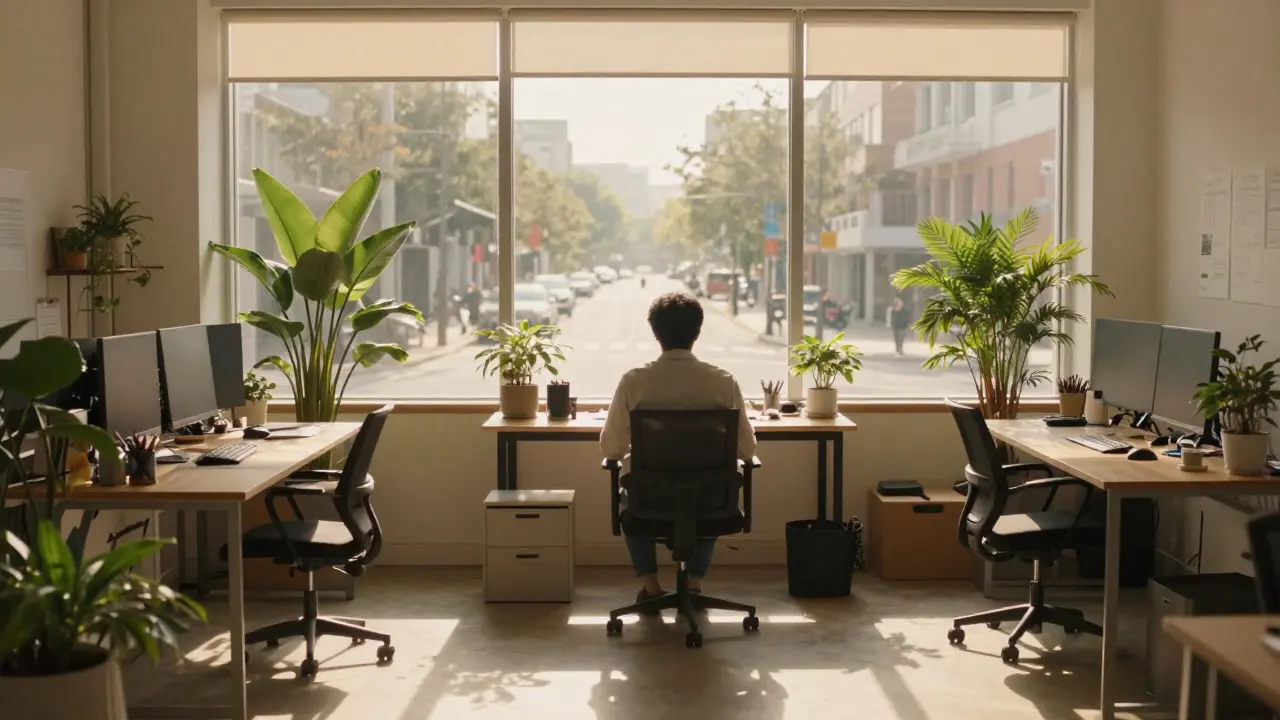
Your physical space affects your mental state. Clutter creates visual noise, which increases cognitive load. Try to keep your workspace tidy. Use tools that automate repetitive tasks. Reduce friction in your daily routines. When your environment is organized, your mind has less to worry about.
Also, curate your inputs. Limit exposure to negative news cycles or toxic social media feeds. Surround yourself with people who uplift you rather than drain you. Your network influences your nervous system. If everyone around you is anxious, you will likely become anxious too. Seek out calm, grounded individuals.
Conclusion: The Quiet Power
Achieving success is not a sprint; it’s a marathon. And you cannot run a marathon in panic mode. Calmness is the fuel that sustains you over the long haul. It improves your decisions, strengthens your relationships, and protects your health. It allows you to lead with authority and empathy. So, the next time you feel the pressure rising, remember: the most powerful thing you can do is nothing. Just breathe. Then, act with intention.
Is calmness a personality trait or a learned skill?
While some people may naturally have a lower baseline for anxiety, calmness is largely a learned skill. Through practices like mindfulness, breathing exercises, and cognitive reframing, anyone can train their brain to remain composed under pressure. Neuroplasticity allows us to strengthen the neural pathways associated with emotional regulation.
How does calmness improve decision-making?
Calmness activates the prefrontal cortex, the area of the brain responsible for logical reasoning and planning. When you are stressed, this area shuts down, leading to impulsive or fear-based decisions. A calm mind can weigh pros and cons objectively, consider long-term consequences, and avoid cognitive biases.
Can too much calmness make you complacent?
No. Calmness is not passivity. It is active engagement without unnecessary agitation. Successful people use calmness to focus their energy efficiently. Complacency comes from lack of motivation or awareness, whereas calmness enhances both by reducing mental clutter and emotional interference.
What are quick techniques to regain calm in a meeting?
Try box breathing (inhale 4s, hold 4s, exhale 4s, hold 4s). You can also ground yourself by focusing on physical sensations, such as the feeling of your feet on the floor or the texture of your pen. Taking a sip of water slowly can also interrupt the stress response and give you a moment to reset.
How does sleep affect my ability to stay calm?
Sleep deprivation heightens the activity of the amygdala, the brain's emotional center, making you more reactive to stress. Adequate sleep restores balance to your nervous system, allowing for better emotional regulation and a higher threshold for frustration. Prioritizing sleep is one of the most effective ways to maintain calmness.